

N1,200/litre: Marketers release new petrol prices amid Dangote Refinery adjustment

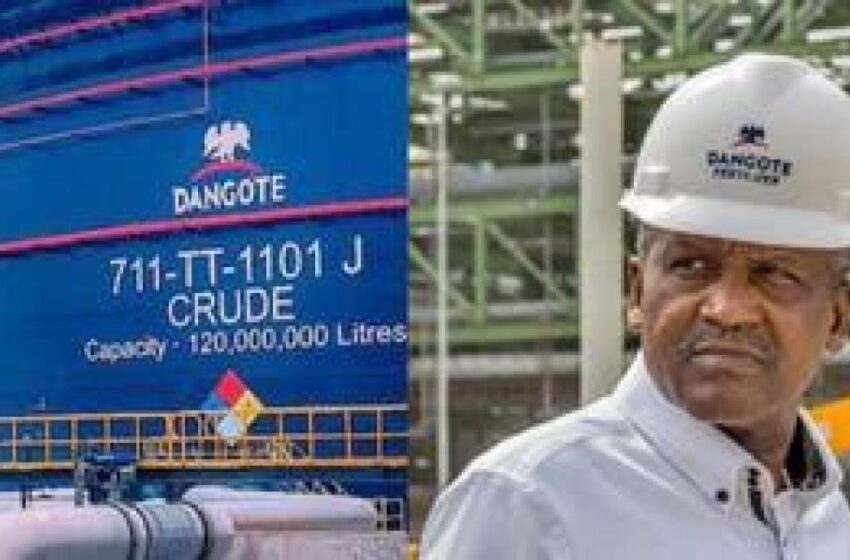
Aliko Dangote Image source: Sahara reporters
Petroleum marketers in Nigeria have released fresh depot prices for petrol, triggering renewed concerns among consumers already grappling with rising fuel costs.
The updated pricing template follows a recent adjustment by the Dangote Petroleum Refinery, which has once again influenced how much marketers pay to lift Premium Motor Spirit (PMS), commonly known as petrol, across major distribution hubs nationwide.
The development reflects the continued volatility in Nigeria’s downstream oil sector, where global market forces and local supply dynamics are shaping fuel prices almost in real time.
New Depot Prices Vary Across Key Cities
According to data shared by the Major Energies Marketers Association of Nigeria, petrol depot prices are not uniform, with notable differences across major supply locations.
In Lagos, depot prices currently range between N1,094 and N1,100 per litre, making it one of the relatively lower-cost hubs due to proximity to supply sources.
In Warri, prices are slightly higher at about N1,170 per litre, while Calabar records even steeper rates between N1,200 and N1,205 per litre.
The highest figures were observed in Port Harcourt, where depot prices range from N1,205 to N1,222 per litre, reflecting transportation costs and regional supply constraints.
Meanwhile, Automotive Gas Oil (diesel) prices in Port Harcourt depots are currently quoted between N1,570 and N1,750 per litre, further highlighting the broader pressure on energy prices.
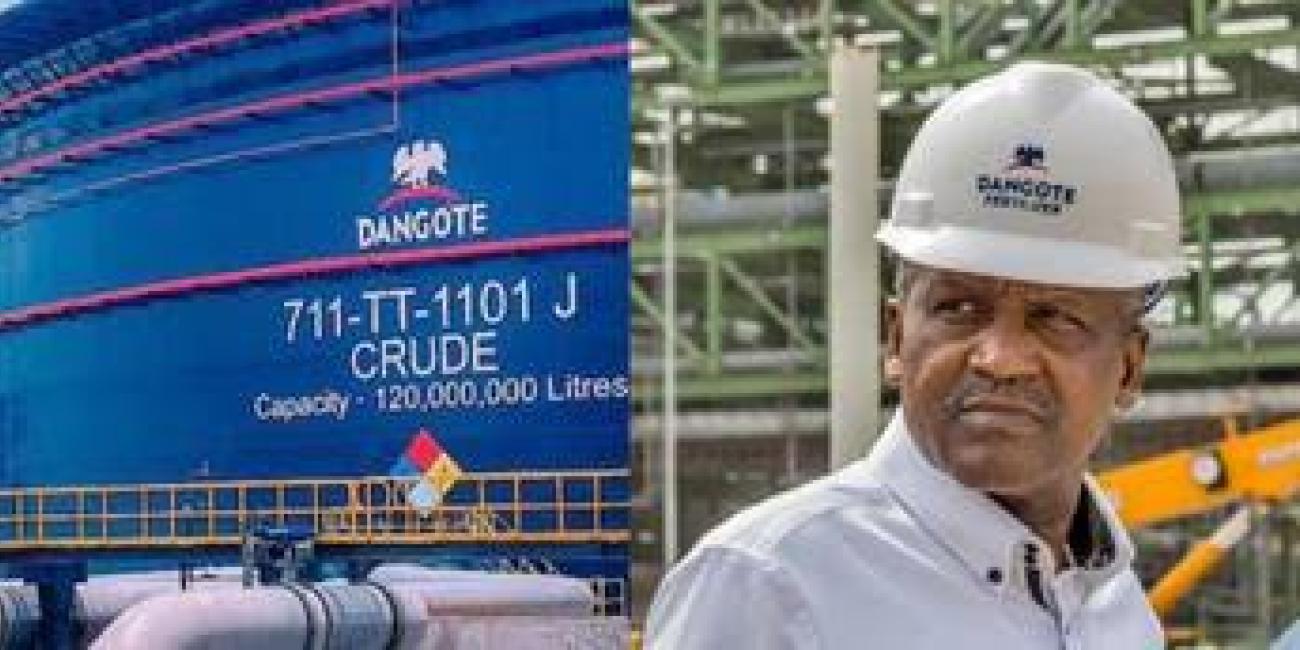
Image source: Sahara reporters
Dangote Refinery’s Price Review Sparks Changes
The recent adjustments in depot prices are directly linked to a new pricing decision by the Dangote refinery.
The refinery restored its petrol ex-depot price to N1,175 per litre, reversing an earlier reduction that had briefly lowered prices across the supply chain.
Just days earlier, the refinery had cut its price by N100 to N1,075 per litre, a move that pushed depot prices down to around N1,100 per litre and raised hopes of relief for consumers.
However, the latest upward review has quickly erased those gains.
Marketers Pause Sales to Recalibrate
Following the price increase, several depot operators reportedly suspended sales temporarily to adjust their pricing structures and reconcile existing stock purchased at older rates.
This pause is a common reaction in the sector whenever there is a sudden price shift, as marketers seek to avoid losses and align with the new market reality.
Industry insiders say such disruptions could have a ripple effect on retail pump prices in the coming days if the trend continues.
Global Crude Oil Prices Behind the Surge
Sources at the Dangote refinery attributed the price increase to rising global crude oil costs.
Reports indicate that the price of Brent crude climbed from about $91 to nearly $100 per barrel, significantly increasing the cost of refining petrol.
In a notice to customers, the refinery explained that the adjustment was necessary due to the prevailing global geopolitical situation, which has continued to put pressure on oil prices.
Under the revised structure:
Gantry price increased from N1,075 to N1,175 per litre
Coastal price rose from N1,378,548 to N1,512,648 per metric tonne
The new rates took effect from March 13, 2026, for all pending PMS allocations.
Mixed Signals as NNPC Previously Reduced Prices
The latest development comes shortly after the Nigerian National Petroleum Company Limited adjusted its own petrol pricing downward.
That earlier reduction followed Dangote refinery’s temporary price cut, which had offered a brief window of relief after multiple increases in recent months.
However, with the refinery now raising prices again, analysts say the market could witness another round of adjustments at filling stations nationwide.
What This Means for Nigerians
For consumers, the fluctuating depot prices signal continued uncertainty in petrol costs.
Retail pump prices are expected to respond to these changes, meaning motorists and businesses may soon face higher expenses again.
As Nigeria’s fuel market becomes more responsive to global oil trends and local supply decisions, experts say price stability may remain elusive in the near term.
FAQ
Why have petrol depot prices increased in Nigeria?
The increase is largely due to a price adjustment by Dangote Petroleum Refinery, driven by rising global crude oil prices.
What is the current ex-depot price of petrol?
The Dangote refinery has set its ex-depot petrol price at N1,175 per litre.
Which city has the highest depot price?
Port Harcourt currently records the highest depot prices, reaching up to N1,222 per litre.
Will pump prices increase again?
There is a strong possibility that retail fuel prices may rise if depot prices remain elevated.
Why do depot prices differ across locations?
Prices vary due to factors such as transportation costs, supply logistics, and proximity to distribution sources.