

Pentagon vs Anthropic: AI guardrails clash sparks threat of Blacklist and Defense Production Act showdown

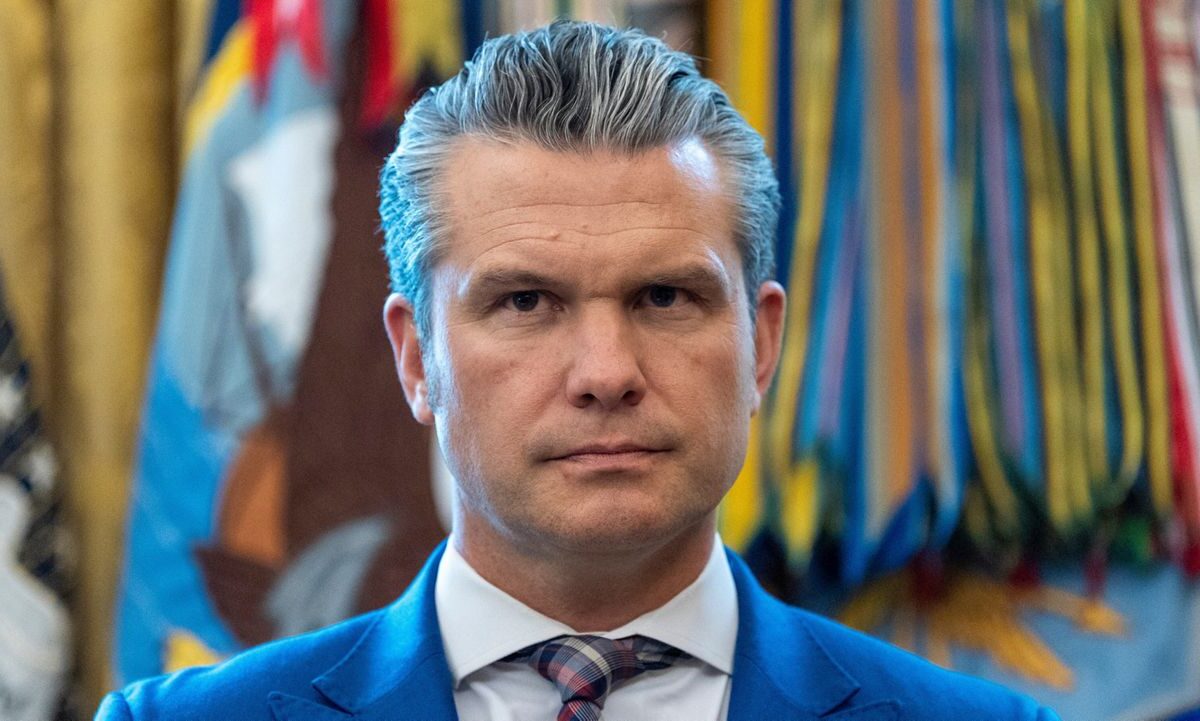
AI guardrails dispute escalates with Hegseth at Pentagon
A high-stakes clash between the U.S. Department of Defense and artificial intelligence firm Anthropic is intensifying, raising critical questions about AI guardrails, national security, and the future of military AI deployment.
Defense Secretary has reportedly given Anthropic’s CEO a deadline to remove certain restrictions from its AI model, Claude, or risk losing a $200 million Pentagon contract. Officials have also floated invoking the , a rarely used legal tool that allows the government to compel private companies to prioritize national defense needs.
The standoff has sparked debate over whether AI companies can, or should, set ethical limits on how their models are used by the military.
What Is the Dispute About?
At the center of the conflict is Claude, Anthropic’s advanced AI model currently used in classified military systems. The Pentagon wants the model to be available for “all lawful use,” according to officials familiar with the discussions.
Anthropic, however, has drawn two firm red lines:
- AI-controlled autonomous weapons
- Mass domestic surveillance of U.S. citizens
The company argues that AI systems are not yet reliable enough to operate weapons independently and that current laws do not adequately regulate mass surveillance powered by AI.
Pentagon officials dispute claims that the dispute involves unlawful use, emphasising that legality is the responsibility of the Defense Department as the end user.
Threat of ‘Supply Chain Risk’ Designation
One of the most dramatic elements of the dispute is the Pentagon’s consideration of labeling Anthropic a “supply chain risk.” Such a designation would effectively blacklist the company from working with contractors tied to military projects.
Typically, that label is reserved for firms viewed as national security threats, often associated with foreign adversaries. Applying it to a domestic AI company would be highly unusual and potentially punitive, according to legal analysts.
Critics question how the Pentagon could simultaneously declare a company a supply chain risk while also compelling it to continue providing services under the Defense Production Act.
What Is the Defense Production Act?
The Defense Production Act (DPA) grants the U.S. government authority to require businesses to accept and prioritize contracts deemed necessary for national defense.
The law was widely used during the COVID-19 pandemic to accelerate production of vaccines and ventilators. However, using it in a direct dispute over AI model safeguards would represent an unprecedented escalation.
Experts note that Anthropic could challenge such a move in court, particularly if the government attempts to force custom-built AI systems without negotiated terms.
READ ALSO
Why Microsoft is moving from ChatGPT to Anthropic AI – the full story
Why Claude Matters to the Military
Claude is currently the only AI model deployed in certain classified Pentagon systems. It has reportedly been used in operational planning, cyber capabilities, and mission support functions.
The model’s integration into sensitive military environments came through a partnership involving . Officials acknowledge that losing access to Claude would create operational gaps, at least in the short term.
Other AI companies are reportedly positioning themselves as alternatives. has moved its Grok model into classified settings, while discussions with and are accelerating.
Still, some defense sources suggest Claude currently outperforms rivals in specific applications relevant to national security.
AI Safety vs National Security: A Growing Tension
Anthropic has long marketed itself as an AI safety-focused company. Founded by former OpenAI employees concerned about rapid AI development, it has invested heavily in research on responsible deployment and recently backed political efforts supporting AI regulation.
The Pentagon’s position reflects a different priority: operational flexibility in a rapidly evolving global security environment.
Officials argue that no private company should dictate the terms under which the military conducts lawful operations. Anthropic maintains it is acting in good faith and seeks to align its technology with responsible use standards.
What Happens Next?
The Pentagon has reportedly set a firm deadline for compliance. If Anthropic refuses to modify its guardrails, officials could terminate the contract or escalate via the Defense Production Act.
Such a move would mark a watershed moment in the relationship between Silicon Valley and the U.S. defense establishment.
The broader implications extend beyond one company: the outcome may shape how AI guardrails are negotiated across the entire industry, especially as artificial intelligence becomes central to defense, intelligence, and cyber operations.
FAQ
Why is the Pentagon threatening Anthropic?
The Pentagon wants Anthropic to remove certain safeguards from its AI model Claude to allow use for all lawful military purposes. Anthropic has refused to lift restrictions related to autonomous weapons and mass surveillance.
What is Claude AI?
Claude is an advanced artificial intelligence model developed by Anthropic. It is currently used in classified military systems and supports various operational and analytical tasks.
What are AI guardrails?
AI guardrails are restrictions built into AI systems to prevent harmful, unethical, or unintended uses. In this case, the guardrails limit deployment for autonomous weapons and large-scale domestic surveillance.
What is the Defense Production Act?
The Defense Production Act is a U.S. federal law that allows the government to compel private companies to prioritize contracts essential to national defense. It was used extensively during the COVID-19 pandemic.
Can the Pentagon legally force an AI company to comply?
The Pentagon could attempt to invoke the Defense Production Act, but such a move may face legal challenges, particularly if it involves altering custom-built AI systems.
Why does this dispute matter for AI regulation?
The outcome could set a precedent for how AI companies negotiate ethical limits with governments, especially as artificial intelligence becomes integral to defense and intelligence operations.
Could another AI company replace Claude?
Other companies, including OpenAI, Google, and xAI, are in discussions about expanding into classified environments. However, sources suggest Claude currently leads in certain military-relevant applications.