

Scientists achieve complete Pancreatic Cancer cure in breakthrough drug study: Here’s what it means for humans

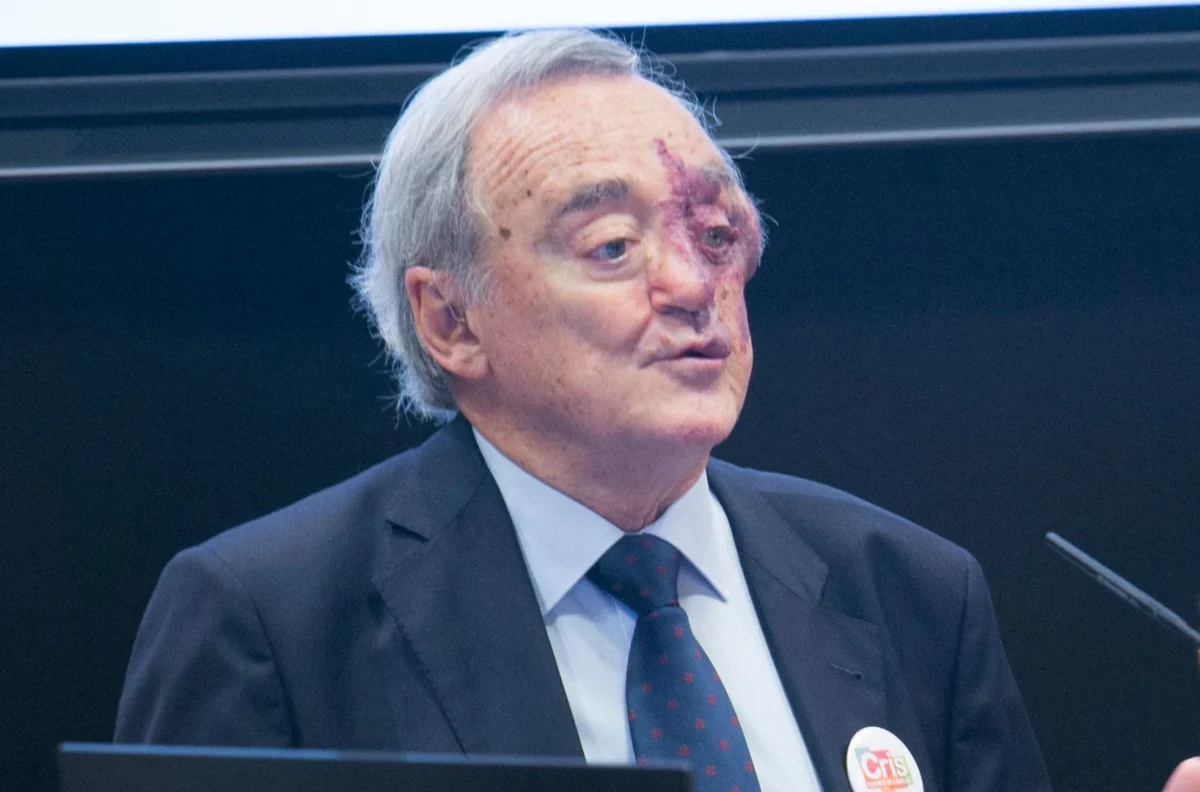
A major scientific breakthrough has reignited global hope in the fight against pancreatic cancer after Spanish researchers announced the complete elimination of aggressive pancreatic tumours in laboratory models, a result long considered nearly impossible in oncology.
The study, led by renowned cancer scientist Mariano Barbacid at the Spanish National Cancer Research Centre (CNIO), found that a newly designed triple-drug therapy wiped out pancreatic cancer tumours entirely in mice, with no relapse observed months after treatment.
The findings, published in the peer-reviewed journal Proceedings of the National Academy of Sciences (PNAS), are being described by experts as one of the most promising advances ever recorded for pancreatic cancer, one of the deadliest and most treatment-resistant malignancies.
Why Pancreatic Cancer Is So Hard to Treat
Pancreatic cancer, particularly pancreatic ductal adenocarcinoma (PDAC), has long been associated with extremely low survival rates. The disease is often detected late, spreads rapidly, and is notorious for developing resistance to standard therapies.
Single-drug treatments frequently fail because cancer cells quickly adapt, activating alternative survival pathways. This biological flexibility has made pancreatic cancer one of the most lethal forms of the disease, with limited therapeutic progress for decades.
The Triple-Drug Therapy That Changed Everything
Rather than targeting one pathway, the CNIO team adopted a multi-pronged attack, combining three drugs to shut down cancer survival mechanisms simultaneously:
- RMC-6236 (daraxonrasib) – targeting KRAS mutations
- Afatinib – inhibiting EGFR family receptors
- SD36 – degrading STAT3, a key cancer survival signal
By blocking upstream, downstream, and parallel KRAS signalling, researchers prevented tumour cells from “rewiring” themselves, a common cause of treatment resistance.
According to the study, this coordinated inhibition led to complete and permanent tumour regression in preclinical models.
READ ALSO
Radio Legend Andy Kershaw unable to walk after spine tumours as he vows to keep fighting cancer
What the Study Found in Laboratory Models
In controlled experiments, mice with advanced pancreatic cancer experienced total tumour elimination following treatment. Even more striking, no cancer recurrence was observed for more than 200 days after therapy, a rare outcome in pancreatic cancer research.
The treatment also showed minimal toxicity, an essential factor when considering translation to human trials.
Importantly, the therapy was effective across multiple models, including:
- Genetically engineered mice
- Orthotopic tumour models
- Human patient-derived tumour xenografts (PDX)
Independent researchers have noted that durable responses without relapse are exceptionally rare, making these findings particularly significant.
Who Is Mariano Barbacid?
Mariano Barbacid is among Europe’s most influential cancer scientists. In the 1980s, he helped identify the first human oncogene, a discovery that transformed cancer biology.
For decades, his work has focused on KRAS-driven cancers, which account for roughly 90% of pancreatic cancer cases. His long-standing assertion, that pancreatic cancer cannot be cured with a single drug, now appears validated by the study’s results.
What Happens Next?
While headlines have described the findings as a “cure,” researchers stress that human trials are still required. The next steps include further safety validation, regulatory approvals, and early-phase clinical trials.
Experts caution that a confirmed cure for pancreatic cancer in humans remains years away, but agree that this research marks a turning point, suggesting the disease may finally be vulnerable to targeted combination therapies rather than incremental improvements.
FAQ
Is there a cure for pancreatic cancer?
There is currently no confirmed cure for pancreatic cancer in humans, but a new study shows complete tumour elimination in laboratory models.
What did Spanish scientists discover about pancreatic cancer?
Researchers developed a triple-drug therapy that completely eliminated aggressive pancreatic tumours in mice with no relapse.
Who led the pancreatic cancer breakthrough study?
The study was led by Mariano Barbacid at the Spanish National Cancer Research Centre (CNIO).
How does the new pancreatic cancer treatment work?
It targets three critical signalling pathways simultaneously, preventing cancer cells from adapting and developing resistance.
Has pancreatic cancer been cured in humans?
No. The results are preclinical, meaning they were achieved in animals, not yet in human patients.
When could human trials begin?
Human trials could begin after further safety studies and regulatory approvals, potentially within the next few years.
Why is this breakthrough important?
Durable, relapse-free responses are extremely rare in pancreatic cancer, making this one of the most hopeful advances in decades.