

Obi + Kwankwaso = Trouble for Tinubu? Inside the alliance talks rocking 2027 race

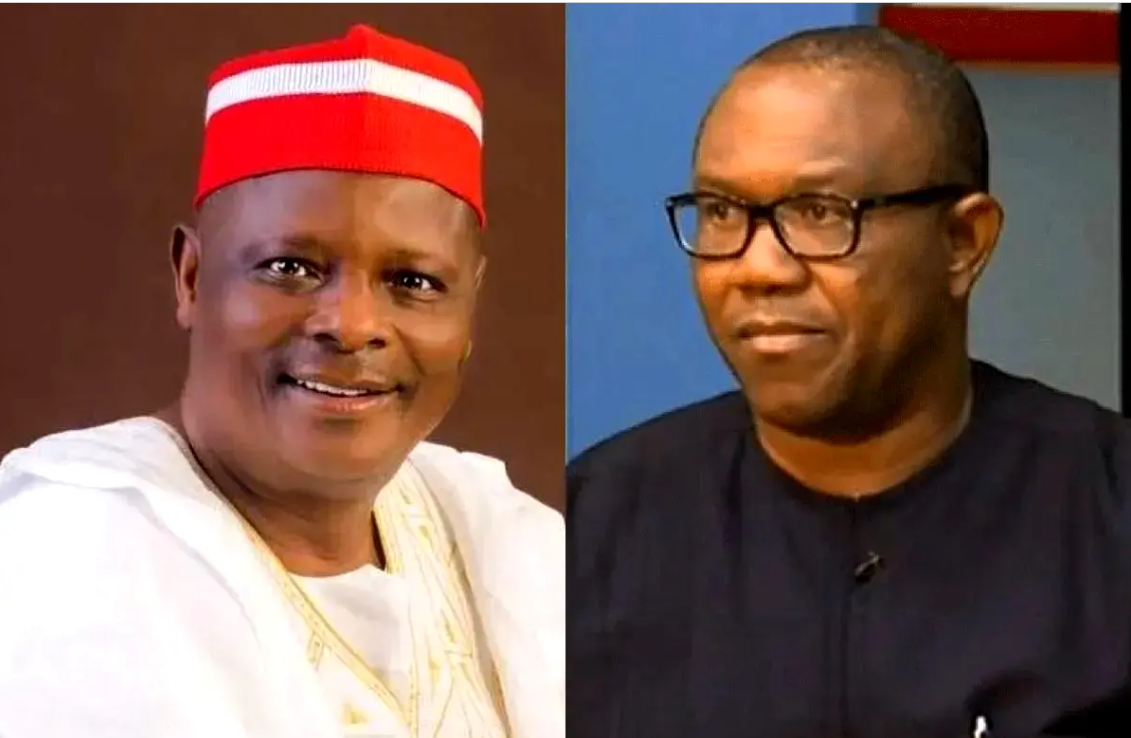
Obi–Kwankwaso alliance
Speculation about a possible alliance between Peter Obi and Rabiu Kwankwaso ahead of Nigeria’s 2027 presidential election has gained traction in recent weeks. The idea of a united opposition ticket to challenge incumbent Bola Ahmed Tinubu is politically appealing—but how realistic is it?
Below is a critical, fact-based analysis of the claims, the strengths of both politicians, and what such a partnership could mean for Nigeria’s political landscape.
Is There a Confirmed Obi–Kwankwaso Alliance?
At present, there is no formal confirmation of an alliance between Obi and Kwankwaso. While political conversations and backchannel negotiations are common this early in an election cycle, neither camp has publicly announced a joint ticket or merger strategy.
What exists instead are:
- Ongoing speculations fueled by political analysts and party insiders
- Historical context from the 2023 elections, where both ran separately
- Growing calls for opposition unity to challenge the ruling party
In Nigeria’s fluid political environment, alliances often emerge late, sometimes just months before elections. For now, this remains a strategic possibility, not a settled reality.
Peter Obi’s Political Strengths
Peter Obi has established himself as a formidable political force, particularly among young and urban voters.
Obi’s biggest strength lies in his broad national appeal, especially in southern Nigeria and among the educated middle class. His 2023 presidential run under the Labour Party reshaped Nigeria’s political dynamics, breaking the traditional dominance of the two major parties.
He is widely seen as:
- A reform-minded candidate focused on governance and fiscal discipline
- A politician with strong appeal among youths (“Obidient movement”)
- A figure associated with transparency and accountability narratives
Obi also performed strongly in key urban centres like Lagos and Abuja in 2023, demonstrating his ability to mobilise voters beyond his southeastern base.
However, his limitations include:
- Weak grassroots structures in parts of northern Nigeria
- Reliance on a relatively less-established party platform
- Challenges in converting popularity into nationwide electoral machinery
Rabiu Kwankwaso’s Political Strengths
Rabiu Kwankwaso brings a different but equally significant political advantage—deep-rooted northern influence.
Kwankwaso commands loyalty through the Kwankwasiyya movement, a powerful political network particularly strong in Kano and surrounding states. His political career, including his tenure as governor of Kano, has helped him build a solid grassroots base.
His key strengths include:
- Strong political machinery in northern Nigeria, especially Kano
- A loyal and structured support base through the Kwankwasiyya movement
- Experience in governance and federal politics
In the 2023 elections, Kwankwaso’s New Nigeria Peoples Party (NNPP) performed strongly in Kano, showing that he remains a dominant regional force.
However, his limitations are also clear:
- Limited influence outside northern strongholds
- Less appeal among southern and youth voters compared to Obi
- Party structure that is not yet nationally competitive
Why an Obi–Kwankwaso Alliance Is Politically Attractive
On paper, a joint ticket between Obi and Kwankwaso could create a formidable electoral coalition.
Such an alliance would:
- Combine Obi’s southern and youth-driven support base with Kwankwaso’s northern grassroots strength
- Bridge Nigeria’s regional and demographic divides
- Present a credible alternative to the ruling party’s dominance
In theory, this combination could significantly improve opposition chances against Bola Ahmed Tinubu, who benefits from incumbency and a well-established party structure.
Major Obstacles to the Alliance
Despite its appeal, several challenges could derail any Obi–Kwankwaso partnership.
First is the issue of who takes the presidential ticket. Both men were presidential candidates in 2023 and may be unwilling to step down for the other. Power-sharing negotiations in Nigerian politics are often complex and contentious.
Second, party differences remain a major hurdle. Obi is associated with the Labour Party, while Kwankwaso leads the NNPP. A merger or coalition would require:
- Structural alignment
- Legal agreements
- Consensus among party stakeholders
Third, there are ideological and strategic differences. While both are seen as reform-oriented, their political styles, support bases, and campaign strategies differ significantly.
The Tinubu Factor: Incumbency Advantage
Bola Ahmed Tinubu remains a central figure in any 2027 calculation.
As incumbent president, Tinubu has:
- Control of state power and political structures
- Influence across multiple regions through the ruling party
- The advantage of incumbency resources and alliances
Historically, unseating an incumbent in Nigeria requires not just popularity, but:
- A united opposition front
- Strong nationwide structures
- Strategic coalition-building
This is why discussions around an Obi–Kwankwaso alliance continue to gain attention.
What Political Signals Suggest So Far
While no formal alliance exists, some indicators suggest that opposition realignment is possible:
- Increasing public discourse about coalition politics
- Pressure from supporters for opposition unity
- Historical precedent of late-stage alliances in Nigerian elections
However, until there is:
- A joint statement
- A formal coalition agreement
- Or coordinated political action
…any alliance remains speculative.
Final Analysis: Possibility vs Reality
The idea of an Obi–Kwankwaso alliance is strategically logical but politically uncertain.
Their combined strengths—Obi’s urban-national appeal and Kwankwaso’s northern base—could create a powerful electoral force. However, the practical challenges of ego, party structure, and political negotiation cannot be underestimated.
For now, the alliance remains a “what if” scenario, rather than a confirmed political development.
As Nigeria moves closer to 2027, the key question is not just whether Obi and Kwankwaso can work together—but whether the broader opposition can overcome fragmentation to mount a serious challenge to Bola Ahmed Tinubu.