

What is inside the $900B NDAA? What does it mean for the U.S. foreign policy?

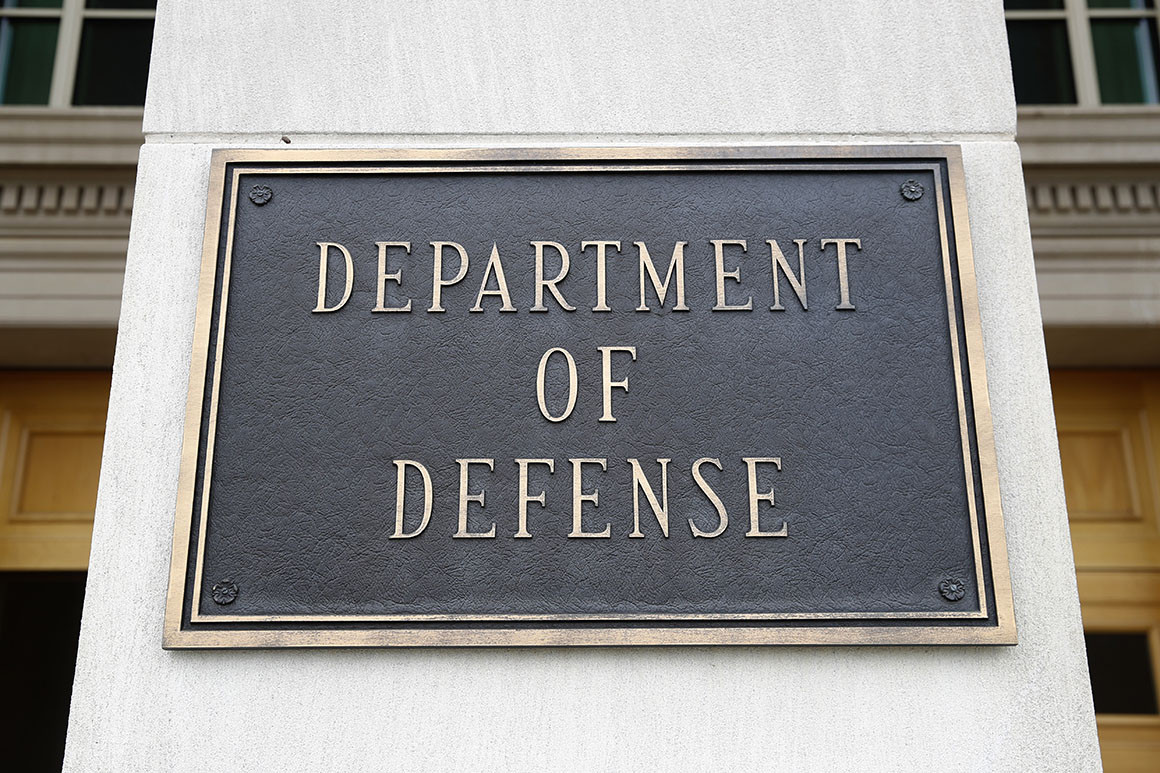
US House advances $900B NDAA boosting European defense.
The U.S. House has cleared a major hurdle for the 2026 National Defense Authorization Act (NDAA), pushing forward a $900 billion defense package that strengthens European security and imposes new limits on President Donald Trump’s foreign-policy authority. The move marks one of Congress’s most assertive breaks from Trump’s stated strategy, signaling a deepening divide over America’s global commitments.
House Advances $900B NDAA in Direct Challenge to Trump’s Europe Strategy
The House’s approval of the sweeping National Defense Authorization Act underscores growing bipartisan concern over President Trump’s recent national security strategy, which described Europe as facing “civilisational erasure” and openly endorsed far-right movements across the continent. While the White House has questioned Europe’s strategic value, lawmakers from both parties are now moving decisively in the opposite direction.
The NDAA, priced at $900 billion, or $8 billion more than Trump requested, reflects a pro-Europe posture that contradicts the administration’s push to scale back the NATO alliance. The bill restricts Trump’s ability to reduce U.S. troop numbers, withdraw major military equipment, or downgrade NATO-linked missions without congressional oversight. It explicitly bars troop levels in Europe from falling below 76,000 for more than 45 days, reinforcing the U.S. commitment to NATO’s eastern flank.
READ ALSO
Political Tensions Spike as Hard-Right Conservatives Resist NDAA Vote
The NDAA’s advancement came only after a tense procedural showdown in the House. Speaker Mike Johnson spent more than an hour negotiating with conservative hardliners, several of whom rejected the bill for omitting far-right policy proposals, including culture-war riders, crypto regulations favored by conservatives, and deeper cuts to Pentagon diversity programs.
A final 215–211 vote allowed the bill to move forward, with only one Republican ultimately defecting. The procedural victory ensures the House will debate the compromise NDAA, though pockets of GOP resistance are expected to vote against final passage.
Congress Bolsters Europe and Ukraine Amid Uncertain White House Support
Trump’s inconsistent stance on Ukraine, alternating between support and skepticism, has raised concerns among NATO partners. The NDAA seeks to establish stability by guaranteeing $400 million in Ukraine security assistance, even if additional emergency aid stalls.
The bill also doubles down on Baltic security, directing more resources to NATO’s northeastern flank. This stands in stark contrast to Trump’s accusations that European nations have “taken advantage” of U.S. generosity and have failed to defend themselves.
European officials quickly responded to the administration’s rhetoric. António Costa, president of the European Council, warned Washington against interfering in Europe’s politics, stating: “Allies do not threaten to interfere in the domestic political choices of their allies.”
NDAA Expands Beyond Europe: New Limits on South Korea Troop Withdrawals
Beyond Europe, the bill strengthens long-standing security alliances in Asia, particularly South Korea. The NDAA restricts any reduction to the 28,500 U.S. troops stationed there, signaling congressional skepticism about Trump’s broader plans to reshape America’s global military footprint.
The bill also touches traditional defense priorities, including procurement, competition with China and Russia, and oversight of Pentagon programs. However, it eliminates several initiatives Trump adversarially labeled “reviled,” such as certain diversity, equity, and inclusion programs.
The White House has announced support for the 3,086-page legislation, and Trump has stated he will sign it once it reaches his desk, despite its clear rebuke of his foreign policy vision.
What Comes Next: Senate Vote and Fiscal Negotiations
The NDAA authorizes but does not fund Pentagon programs. Congress must pass a separate appropriations bill before September 2026 to allocate money. With bipartisan momentum and strong Democratic backing, the NDAA is expected to pass the Senate, setting up a major year-end battle over defense spending levels.
FAQ
1. What is the 2026 National Defense Authorization Act (NDAA)?
The 2026 NDAA is an annual defense policy bill that sets military priorities, authorizes Pentagon programs, and outlines U.S. national security strategy. While it does not appropriate funds, it establishes the structure, troop levels, and global posture of the U.S. military for the fiscal year.
2. Why is the NDAA seen as a rebuke to President Trump?
The bill strengthens U.S. commitments to Europe and NATO at a time when Trump has publicly criticized those alliances, endorsed far-right political movements in Europe, and questioned the continent’s strategic value. The NDAA places legal limits on Trump’s ability to withdraw troops or downgrade missions without congressional approval.
3. How much does the NDAA 2026 cost?
The bill authorizes $900 billion, which is $8 billion more than President Trump requested in his initial budget earlier this year.
4. What does the NDAA say about U.S. troops in Europe?
The bill bars troop levels from falling below 76,000 for more than 45 days, preventing rapid or unilateral withdrawals. It also blocks the removal of major equipment tied to NATO missions.
5. Does the NDAA include support for Ukraine?
Yes. The legislation commits $400 million in Ukraine security assistance to ensure a baseline of support regardless of political disagreements over additional funding.
6. How does the NDAA address U.S. commitments in Asia?
The bill restricts reductions to the 28,500 U.S. troops in South Korea, signaling bipartisan concern about maintaining stability in East Asia amid rising regional tensions.
7. Why are some Republicans opposing the NDAA?
Hard-right conservatives object to several compromises, including:
- Removing culture-war provisions
- Failing to include cryptocurrency restrictions
- Maintaining Ukraine aid
- Preserving Pentagon diversity program funding cuts they view as insufficient
8. What happens next for the NDAA?
The bill now proceeds to the Senate. If approved, it will go to President Trump for signing. Separately, Congress must still pass a funding bill to allocate money authorized by the NDAA before the September 2026 deadline.