

Deadly Dukuduku clans dispute: Is the Mkhwanazi and Ncube feud spiraling out of control?

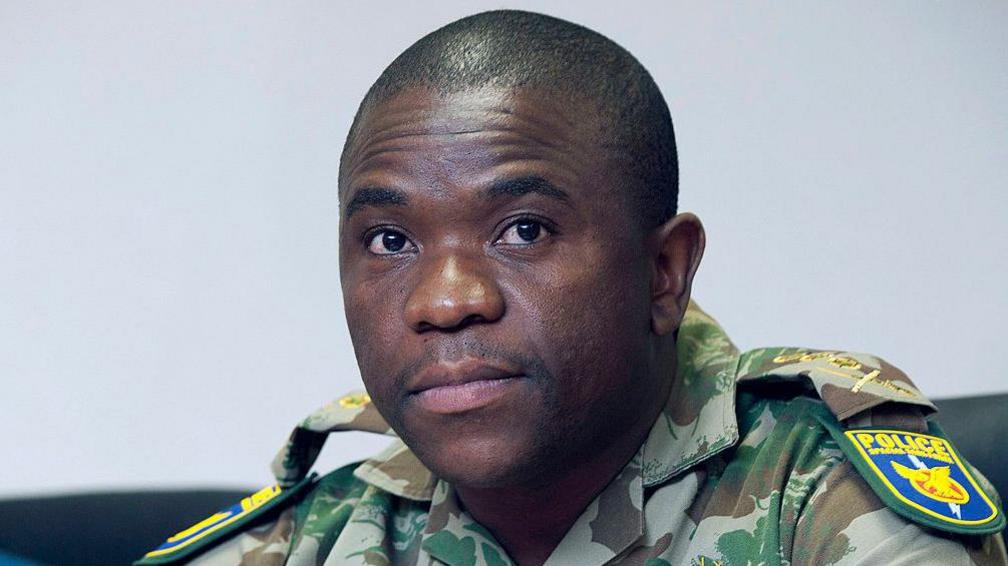
Nhlanhla Mkhwanazi. Image Credit: Gallo via Getty Images
The long-standing friction between the AbaKhwanazi and Ncube clans resurfaced violently in recent weeks, triggered by a dispute over traditional leadership and land rights in Dukuduku, northern KwaZulu-Natal. The region, known for its strategic location near iSimangaliso Wetland Park, has long been regarded as ancestral land by the AbaKhwanazi clan. Their leadership, spearheaded by Inkosi Ntokozo Mkhwanazi, claims uninterrupted authority over the area for generations.
However, the sudden involvement of businessman Qiniso Ncube, allegedly appointed as an overseer by King Misuzulu kaZwelithini, ignited intense tensions. The decision was not welcomed by the AbaKhwanazi, who viewed it as an unlawful intrusion that undermined their established authority. This disagreement quickly shifted from political contestation to deadly confrontations, leaving residents terrified and forcing authorities to step in.
Five Izinduna Killed Amid Heightened Clan Tensions
The conflict took a fatal turn following the killing of five izinduna in separate incidents linked to the rivalry between the clans. These attacks have shaken the community, raising fears of a growing cycle of retaliation that could destabilize the entire Mtubatuba region. Residents reported hearing gunshots late at night, while families of the deceased described the killings as targeted executions.
KwaZulu-Natal Police Commissioner Lt-Gen Nhlanhla Mkhwanazi responded by deploying a specialized investigation team to restore order. He emphasized that the police will treat every violent act as a criminal matter, regardless of cultural or political motivations. The escalation prompted more regular patrols in the area, as police try to prevent further bloodshed and reassure frightened residents caught in the crossfire.
READ ALSO
ANC rumors explode: Is Cyril Ramaphosa really facing a political coup?
Why was Kelebogile Thepa really reinstated? Inside the shocking testimony that shook Ekurhuleni
MEC Thulasizwe Buthelezi Reaffirms AbaKhwanazi Authority
In an attempt to restore clarity, KwaZulu-Natal COGTA MEC Thulasizwe Buthelezi addressed community members during a packed imbizo in Mtubatuba. He reiterated that the provincial government recognizes the AbaKhwanazi clan, and only the AbaKhwanazi, as the legitimate custodians of Dukuduku. Speaking firmly, he stated that no individual, including Qiniso Ncube, has the authority to declare themselves an inkosi without following prescribed traditional processes.
Buthelezi also warned that those who manipulate community tensions for political gain will face consequences. He urged residents not to take instructions from unauthorized leaders and to declare allegiance only to those legitimated through traditional governance structures. His remarks were met with applause, though some attendees expressed concern that the dispute may continue despite official intervention.
Qiniso Ncube Rejects Claims, Accuses Officials of Politicking
Qiniso Ncube responded strongly to MEC Buthelezi’s reaffirmation of the AbaKhwanazi leadership, labelling the statements as divisive and politically influenced. He denied trying to usurp authority in Dukuduku, insisting that his involvement stems directly from the Zulu king’s appointment. According to Ncube, the backlash against him is fueled by individuals with political agendas rather than genuine concerns about traditional governance.
He further argued that attempts to delegitimize him undermine the authority of King Misuzulu, a claim that places the dispute at the center of broader tensions surrounding the monarch’s rule. Ncube’s supporters allege that certain factions are exploiting the controversy to weaken the king’s influence. This narrative has deepened mistrust between the clans and raised questions about whether the dispute is confined to land alone or part of a wider political struggle.
Community Imbizo Aims to Restore Stability
Despite heavy rainfall, hundreds of residents attended the imbizo organized to mediate the crisis. The gathering was aimed at clearing misconceptions and preventing further violence. Provincial leaders, traditional authorities, and security officials addressed the crowd, urging calm and unity. Many community members said they simply wanted peace and stability, expressing fear that further killings could trigger a broader conflict.
The House of Traditional Leaders, represented by Inkosi Sifiso Shinga, echoed these sentiments. Shinga emphasized the importance of respecting historical leadership boundaries and following due process when appointing traditional authorities. He also highlighted the need for collaboration between government structures and traditional councils, stressing that ongoing dialogue is the only path to long-term peace.
King Misuzulu’s Role in the Dispute Remains Controversial
The king’s alleged appointment of Ncube continues to generate confusion and controversy. While the kingship has the authority to assign oversight roles, critics argue that this appointment was not communicated through proper channels. The AbaKhwanazi claim the move disregarded their hereditary rights and was implemented without community consultation, which is traditionally mandatory for major decisions affecting land governance.
Meanwhile, some supporters of the king insist that his authority should not be questioned, especially on matters concerning traditional leadership. This tension has widened divisions within the broader Zulu nation, with some elders calling for a royal clarification to prevent further instability. For now, the dispute remains unresolved, deepening the uncertainty surrounding the king’s stance.
Authorities Push for Law, Order, and Resolution
Provincial authorities continue to monitor the conflict closely to prevent further escalation. Police have vowed to treat the killings as criminal matters, urging community members to report suspicious activity without fear of retaliation. Officers maintain a visible presence to deter violence, though some residents report that the situation remains tense, especially at night.
COGTA has promised ongoing engagements until a lasting solution is reached. MEC Buthelezi emphasized that peace will only return once all parties recognize and respect the legitimate traditional authority. He added that the government will not tolerate any parallel leadership structures designed to undermine governance or fuel violence.
FAQ
Who controls the Dukuduku area?
According to provincial authorities, the AbaKhwanazi clan is the recognized traditional authority over Dukuduku. The government has reaffirmed Inkosi Ntokozo Mkhwanazi as the legitimate leader.
Why did the conflict between the Mkhwanazi and Ncube clans escalate?
The dispute intensified after King Misuzulu allegedly appointed Qiniso Ncube as an overseer, which the AbaKhwanazi viewed as an infringement on their ancestral land rights.
How many people have been killed?
At least five izinduna have been killed in incidents linked to the feud, sparking major security concerns in the community.
What is the role of King Misuzulu in this conflict?
The king is said to have appointed Ncube, but the move has been challenged by local leaders and has not been formally recognized by the province.
Is the violence still ongoing?
While police have increased patrols and investigations, tensions remain high, and residents report ongoing instability in certain areas.
What steps is COGTA taking?
COGTA is engaging both clans, hosting imbizos, and reinforcing the need for adherence to traditional leadership protocols.
Why is Dukuduku important?
The area holds historical significance and is strategically located near protected land and mineral-rich zones, making it highly contested.
Can the dispute be resolved soon?
A long-term solution depends on dialogue between the clans, clear communication from the king’s office, and strict adherence to traditional governance.