

DOJ moves to revoke citizenship of former North Miami Mayor Philippe Bien-Aime in explosive immigration fraud case

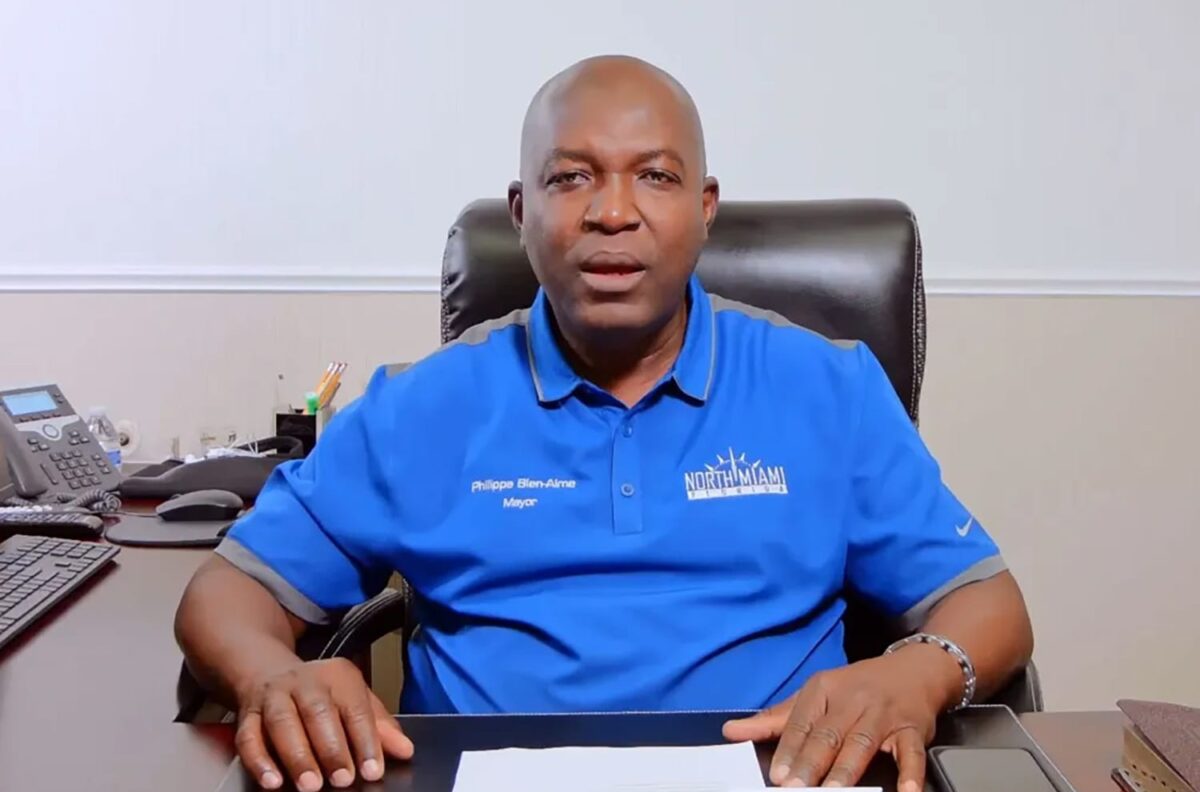
Former North Miami Mayor Philippe Bien-Aime. Image Credit: NBC 6 South Florida
The U.S. Department of Justice has filed a denaturalization case against former North Miami Mayor Phillipe Bien-Aime, alleging he misrepresented his identity and immigration history to obtain American citizenship.
Federal prosecutors filed the civil complaint in the U.S. District Court for the Southern District of Florida this week, marking one of the most high-profile denaturalization efforts involving a former elected official in recent years.
The case comes amid a broader immigration enforcement push under the administration of Donald Trump, which has prioritised revoking citizenship in cases involving alleged fraud.
What the DOJ Alleges Against the Former Mayor
According to the complaint, Bien-Aime, who was born in Haiti, first entered the United States in 1997 using a fraudulent “photo-switched” passport under the name Jean Philippe Janvier.
Federal authorities allege that in 2000, an immigration judge ordered him removed to Haiti after determining he had entered the country unlawfully. While he initially appealed the decision, prosecutors claim he later withdrew the appeal and indicated he had returned to Haiti. However, the DOJ asserts that he remained in the United States under the name Philippe Bien-Aime.
Department of Homeland Security fingerprint records reportedly link both identities to the same individual.
The complaint further alleges that Bien-Aime later married a U.S. citizen and obtained lawful permanent resident status. Prosecutors argue the marriage may have been invalid because he was allegedly still married to a Haitian citizen at the time, and that documentation submitted to immigration authorities may have been fraudulent.
Legal Process: What Is Denaturalization?
Denaturalization is a civil process used by the federal government to revoke citizenship if it was obtained unlawfully or through material misrepresentation.
Historically, denaturalization cases have been rare. Between 1990 and 2017, the government filed an average of about 11 such cases per year. However, referrals increased significantly during Trump’s first term and have continued under expanded enforcement directives.
Assistant Attorney General Brett A. Shumate previously issued guidance instructing the DOJ’s civil division to prioritize cases deemed “sufficiently important,” including those involving alleged fraud.
If successful, the case could ultimately lead to deportation proceedings, though such cases often take years to resolve.
READ ALSO
Impact on North Miami and Political Fallout
Bien-Aime was elected mayor of North Miami in 2019 and resigned in 2022 to run for a seat on the Miami-Dade County Commission, which he lost.
North Miami’s city code requires candidates to be qualified electors, meaning they must be U.S. citizens registered to vote at the time of qualifying. If his citizenship were revoked, legal experts say it could raise complex questions about his tenure in office.
Current North Miami Mayor Alix Desulme told reporters he was unaware of the allegations and expressed shock at the claims.
North Miami has a large Haitian-American community, and nearly half its population is foreign-born, according to U.S. Census data. The case has sparked concerns among some immigration advocates about selective enforcement and broader denaturalization strategies.
Response From Bien-Aime’s Legal Team
Bien-Aime declined to comment directly and referred inquiries to his immigration attorney, Peterson St. Philippe.
In a statement, St. Philippe said the legal team is reviewing the complaint and will address the allegations through the judicial process.
“We believe it is appropriate to address the allegations through the judicial process rather than through public commentary,” the statement read, emphasising that the matter remains unresolved and no findings have yet been made.
U.S. Attorney Jason A. Reding Quiñones stated in a news release that “United States citizenship is a privilege grounded in honesty and allegiance to this country” and that the government will seek revocation if the allegations are proven in court.
FAQ: Former Miami Mayor Citizenship Revocation Case
Why is the DOJ trying to revoke the former North Miami mayor’s citizenship?
Federal prosecutors allege that Philippe Bien-Aime misrepresented his identity and immigration history during the naturalisation process, including entering the U.S. with a fraudulent passport and allegedly submitting false documentation.
Who is Philippe Bien-Aime?
Philippe Bien-Aime is a Haiti-born former mayor of North Miami who served from 2019 until 2022. He previously served as a city councilman.
What is denaturalization?
Denaturalization is a legal process through which the federal government can revoke U.S. citizenship if it was obtained unlawfully or through fraud.
Did Philippe Bien-Aime enter the U.S. illegally?
The DOJ alleges he entered the country in 1997 using a fraudulent passport under a different name. The case is currently pending in federal court.
Could he be deported?
If the court revokes his citizenship, deportation proceedings could follow. However, denaturalization cases are complex and can take years to resolve.
Did this happen while he was mayor?
The allegations relate to events that occurred before and during his naturalisation process. He served as mayor from 2019 to 2022.
Has he been found guilty?
No. The case is a civil complaint, and no final court ruling has been issued. The matter remains under judicial review.
Why are denaturalization cases increasing?
The DOJ has prioritised denaturalization in cases involving alleged fraud, national security concerns, and other serious violations under expanded immigration enforcement policies.