

Inside Melania Trump’s $40 Million documentary: Chaos, controversy and a sudden Global pullback

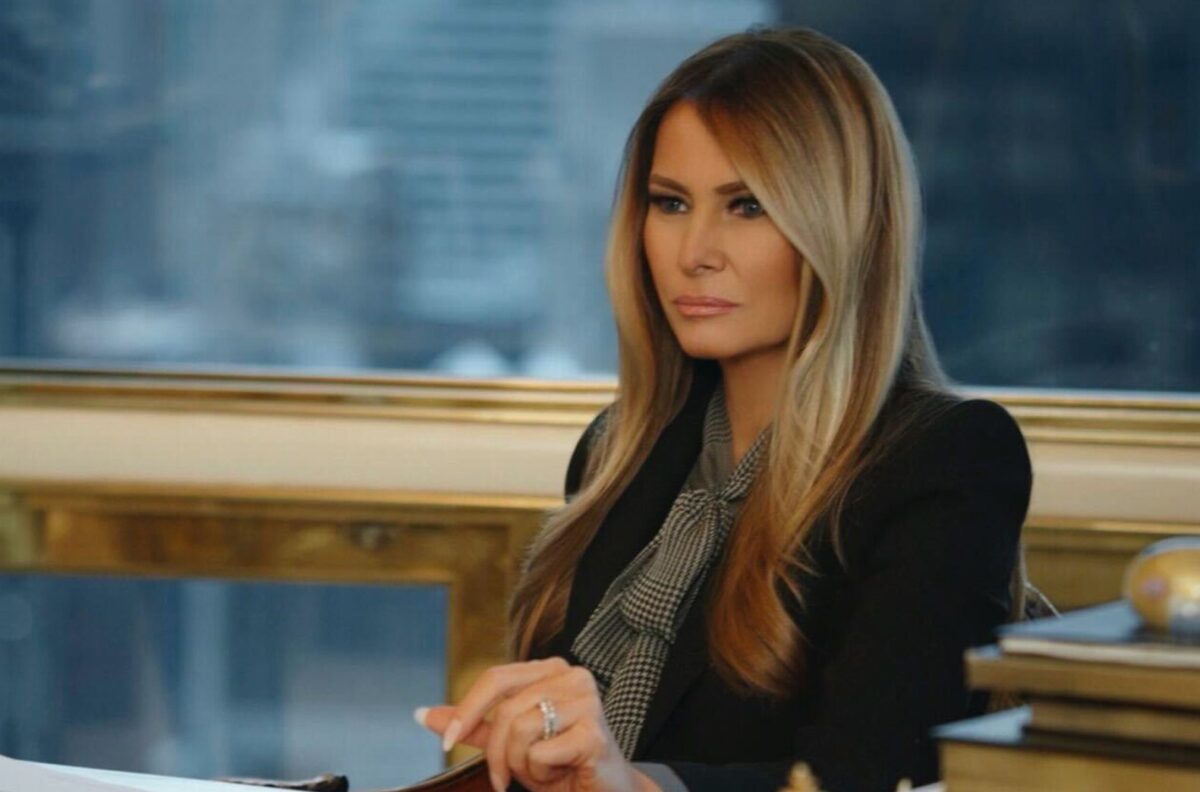
Melania Trump in Amazon’s ‘Melania: Twenty Days to History’ Image Source: Muse Films
Melania Trump’s new documentary, Melania: Twenty Days to History, was designed as a glossy, intimate portrait of the first lady in the days leading up to President Donald Trump’s second inauguration. Instead, it has become one of the most controversial political documentaries of the decade, dogged by ethical concerns, behind-the-scenes turmoil and an abrupt cancellation of its theatrical release in South Africa.
The film, acquired by Amazon MGM Studios for a reported $40 million, is the most expensive documentary licensing deal in the company’s history. Yet even before its global debut, the project has drawn scrutiny over its director, its access to power, and the motivations behind Amazon’s unprecedented investment.
A Lavish Premiere and Ethical Questions
The documentary was unveiled with a private White House screening attended by global elites, including tech executives, royalty and celebrities. Invitations came with explicit legal disclaimers reminding government officials to seek ethics approval before attending, a detail that underscored the unusual nature of the event.
Critics quickly pointed to the optics of Amazon licensing a film about the sitting first lady, especially given founder Jeff Bezos’ extensive federal business interests, including lucrative government cloud contracts and aerospace deals through Blue Origin.
While ethics experts note that Melania Trump is legally considered a private citizen, former government watchdogs have said the deal creates the appearance of access-buying, even if no laws were broken. According to reports, Melania Trump personally received approximately $28 million from the licensing agreement.
Behind the Camera: ‘Chaotic’ and Disorganized Production
According to multiple crew members, production was marked by long hours, logistical confusion and intense secrecy, with filming spread across Washington, Florida and New York under tight Secret Service constraints.
Three elite cinematographers were hired to capture the footage, but coordination issues reportedly plagued the shoot. Some crew members said the environment was so fraught that a significant number asked not to be credited in the final film.
Despite the turmoil, Melania Trump herself was described by several crew members as professional, friendly and engaged, standing in contrast to the figure who became the production’s biggest source of internal tension.
READ ALSO
Brett Ratner’s Involvement Reignites Backlash
Much of the controversy centers on the film’s director, Brett Ratner, whose career stalled after multiple women accused him of sexual misconduct in 2017. Although Ratner denied the allegations and was never charged, his return to filmmaking with a project tied to the White House has alarmed critics and some crew members alike.
Several people involved in the production said they were unaware Ratner was directing the film until shortly before shooting began. Some described working conditions as uncomfortable, while others criticized his on-set behavior. A smaller number defended Ratner’s creative vision, praising the film’s cinematic scope.
The documentary marks Ratner’s first major project since the height of the #MeToo movement, making his involvement a flashpoint for renewed debate.
South Africa Pulls the Film Without Explanation
Adding to the controversy, the documentary was abruptly pulled from theaters in South Africa just days before its scheduled release. The local distributor cited “recent developments” but declined to elaborate, insisting the decision was commercial and not the result of government pressure.
The move comes amid strained diplomatic relations between South Africa and the Trump administration, as well as reports of weak ticket sales. Industry observers say the cancellation highlights how polarizing the film has become outside the United States.
High Stakes for Amazon and Uncertain Reception
Amazon is reportedly spending tens of millions more on global marketing, including NFL commercials and large-scale outdoor promotions. Forecasts for the film’s opening performance vary widely, with some analysts predicting a modest debut and others pointing to the recent success of conservative-leaning films that outperformed expectations.
Despite unprecedented access to the first lady, those who worked on the documentary caution viewers not to expect major revelations. As one crew member put it, Melania Trump remains “carefully guarded,” even when the cameras are rolling.
FAQ
What is Melania: Twenty Days to History about?
The documentary follows Melania Trump during the weeks leading up to President Trump’s second inauguration.
Who directed the Melania Trump documentary?
The film was directed by Brett Ratner, marking his return to filmmaking after years away from Hollywood.
Why is the Melania documentary controversial?
Criticism centers on its massive Amazon deal, ethical concerns, Ratner’s involvement and its perceived political messaging.
Why was the Melania Trump documentary pulled in South Africa?
The distributor cited unspecified “recent developments,” though analysts point to political tensions and weak ticket sales.
How much did Amazon pay for the documentary?
Amazon MGM Studios reportedly paid $40 million for the licensing rights.
Did Melania Trump profit directly from the film?
Yes. Reports indicate she received about 70% of the licensing fee, roughly $28 million.
Is the documentary propaganda?
Supporters say it is a personal portrait; critics argue it functions as soft political messaging tied to the Trump administration.
Where can people watch the Melania Trump documentary?
The film is set for global release via Amazon platforms, though theatrical plans vary by country.