

Martin Luther King Jr. Day: 10 important things you need to know

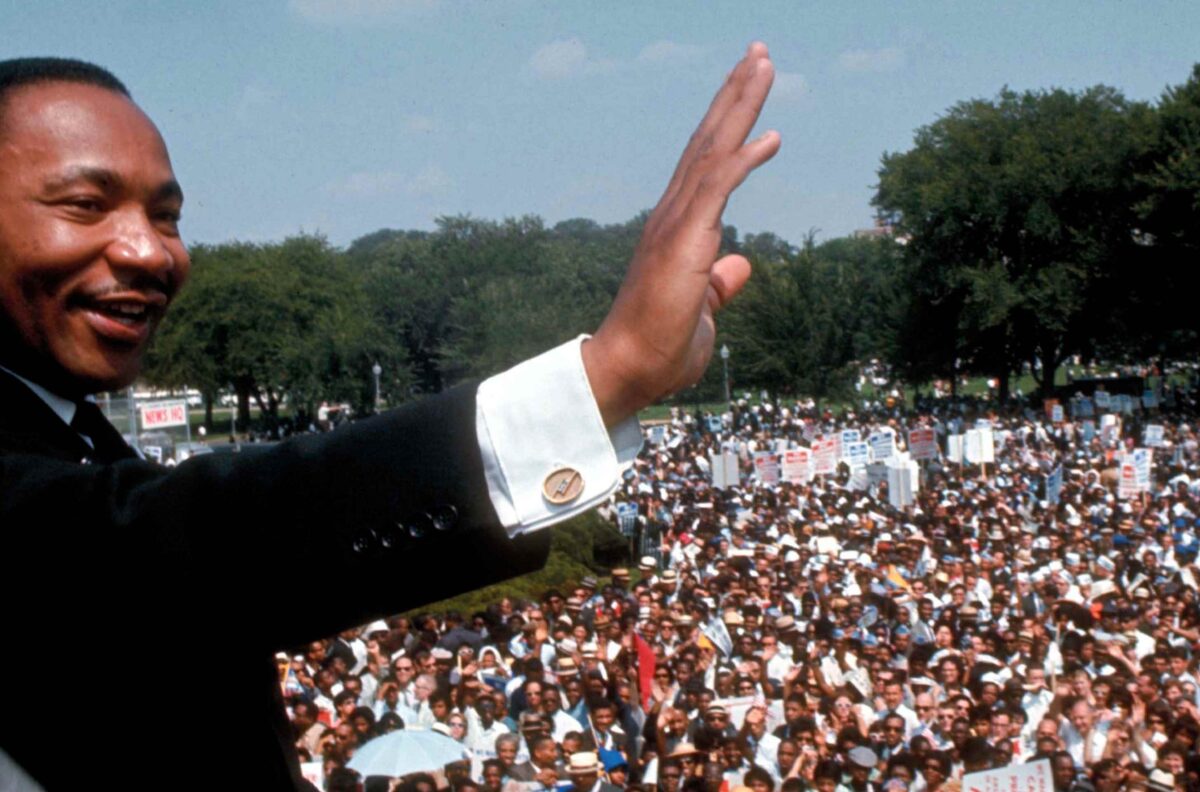
Martin Luther King addresses crowds during the March On Washington at the Lincoln Memorial, Washington DC
Martin Luther King Jr. Day is a federal holiday in the United States dedicated to honoring the life, legacy, and enduring impact of Dr. Martin Luther King Jr.—one of the most influential leaders of the American civil rights movement. Observed annually in January, the day serves not only as a remembrance of Dr. King’s fight for justice and equality but also as a call to action, encouraging people to continue working toward a more just and inclusive society.
1. It Honors the Life of Dr. Martin Luther King Jr.
The holiday commemorates Dr. King’s leadership in the struggle against racial segregation and discrimination through nonviolent protest. His work helped transform American society and expand civil rights for millions.
2. It Is Observed on the Third Monday of January
Martin Luther King Jr. Day is celebrated on the third Monday of January each year. This date was chosen to be close to Dr. King’s birthday, which falls on January 15.
3. It Became a Federal Holiday in 1986
After years of advocacy, the holiday was signed into law by President Ronald Reagan in 1983 and first observed as a federal holiday in 1986. Some states took longer to officially recognize it.
4. Dr. King Was a Champion of Nonviolence
Inspired by Mahatma Gandhi, Dr. King firmly believed in nonviolent resistance as the most effective way to challenge injustice. His philosophy shaped protests such as the Montgomery Bus Boycott and the Birmingham Campaign.
5. The Day Is Also Known as a “Day of Service”
Unlike many holidays, Martin Luther King Jr. Day is widely observed as a day of community service. Americans are encouraged to volunteer, help their communities, and turn Dr. King’s ideals into action.
6. It Commemorates the Broader Civil Rights Movement
While centered on Dr. King, the holiday also recognizes the collective efforts of countless activists who fought for civil rights, voting rights, and equality during the 1950s and 1960s.
7. Dr. King’s ‘I Have a Dream’ Speech Is Central to the Day
His 1963 “I Have a Dream” speech, delivered during the March on Washington, remains one of the most iconic speeches in history and is often referenced during MLK Day events.
8. Schools and Institutions Use the Day for Education
Many schools, universities, and organizations use the holiday to teach about civil rights history, racial justice, and the ongoing struggle for equality.
9. It Is Observed Beyond the United States
Although it is a U.S. federal holiday, Martin Luther King Jr. Day is also marked in other countries through lectures, discussions, and events that celebrate human rights and social justice.
10. The Holiday Emphasizes Continuing the Work
More than a day of remembrance, Martin Luther King Jr. Day reminds people that the fight for justice, equality, and peace is ongoing. It challenges individuals to reflect on their role in building a fairer society.
Conclusion
Martin Luther King Jr. Day stands as a powerful reminder of the values Dr. King lived and died for—justice, equality, service, and nonviolence. By learning about his legacy and acting on his ideals, the holiday becomes not just a date on the calendar, but a meaningful opportunity to inspire positive change.