

Martin Luther King Day 2026: Why MLK’s dream still challenges America more than ever

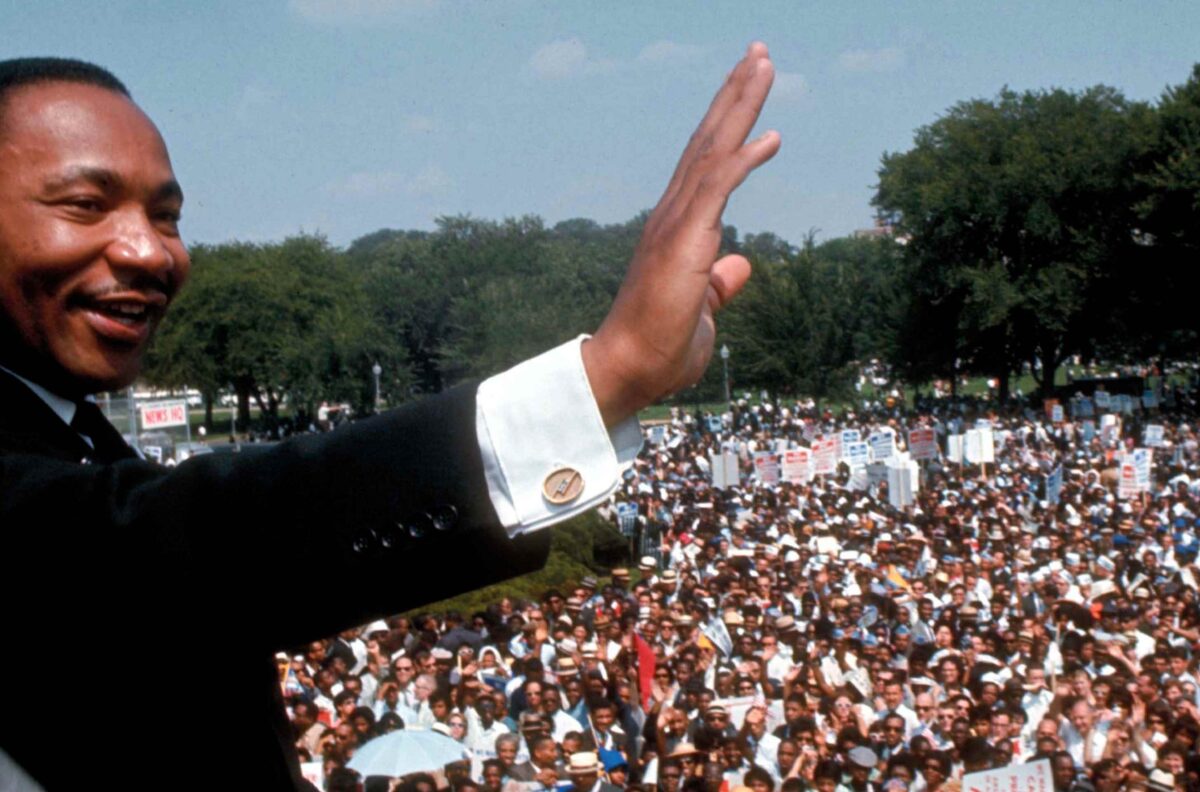
Martin Luther King addresses crowds during the March On Washington at the Lincoln Memorial, Washington DC
As the United States observes Martin Luther King Jr. Day in 2026, the federal holiday arrives at a moment of renewed reflection, and tension, over the civil rights leader’s enduring legacy. More than half a century after his assassination, Dr. Martin Luther King Jr.’s vision of equality, justice, and nonviolence remains both a moral compass and a measuring stick for America’s progress.
The holiday, marked on the third Monday of January, honors King’s life and leadership, but it also raises difficult questions: How close is the nation to fulfilling his dream, and where has it fallen short?
Beyond “I Have a Dream”: The Leadership That Changed America
Dr. King is globally remembered for his iconic “I Have a Dream” speech, delivered at the March on Washington on August 28, 1963, before more than 250,000 people. Yet historians and civil rights scholars emphasize that his impact extended far beyond a single speech.
King’s leadership helped drive landmark legislation, including the Civil Rights Act of 1964 and the Voting Rights Act of 1965, dismantling legal segregation and discriminatory voting practices. Through disciplined nonviolence, he reshaped public opinion and forced the nation to confront systemic injustice, often at great personal cost.
MLK Day as a Call to Service, Not Just Celebration
Unlike most federal holidays, Martin Luther King Day is designated as a national day of service. King’s philosophy emphasized action over symbolism, a principle echoed in his 1968 “Drum Major Instinct” sermon, where he asked to be remembered not for awards or accolades, but for serving others, feeding the hungry, and loving humanity.
That message continues to resonate in 2026, as civic groups, churches, and volunteers across the country mark MLK Day through community service, advocacy, and dialogue.
Civil Rights Progress, and Persistent Inequality
Despite undeniable gains since the civil rights era, economic and racial disparities remain entrenched. Federal data shows that Black Americans continue to experience higher poverty rates, lower median household incomes, and higher unemployment compared to white Americans.
These realities underscore why King’s dream is often described as unfinished. While legal barriers have fallen, structural inequality continues to shape education, housing, healthcare, and criminal justice outcomes.
MLK’s Legacy in Today’s Political Debate
In 2026, King’s legacy is also deeply entwined with modern politics. Opinion writers and civil rights advocates argue that current policy debates, particularly around voting rights, diversity programs, and social equity, reflect competing interpretations of King’s work.
Some see recent rollbacks of diversity, equity, and inclusion initiatives as a departure from King’s call to expand opportunity. Others argue that his vision is being invoked selectively, often stripped of its radical demands for economic justice and racial accountability.
What remains clear is that Martin Luther King Jr.’s words continue to shape national conversations, invoked by voices across the ideological spectrum.
READ ALSO
Did Kansas break Capitol rules for MLK? Gov. Laura Kelly steps in as ‘Lift Every Voice’ rings out
How Martin Luther’s bold act on reformation day sparked a movement that reshaped christianity
“Be a King”: Living the Legacy Beyond One Day
Bernice King, CEO of the Martin Luther King Jr. Center for Nonviolent Social Change, frequently reminds Americans that honoring her father means more than quoting him once a year. Her call to “Be a King” urges people to practice empathy, courage, and service in everyday life.
As MLK Day 2026 is observed nationwide, that message carries renewed urgency: justice is not passive, love is an action, and progress requires participation.
FAQ
What is Martin Luther King Day?
Martin Luther King Day is a U.S. federal holiday honoring the life and legacy of Dr. Martin Luther King Jr., a leader of the civil rights movement who fought racial injustice through nonviolent activism.
When is Martin Luther King Day celebrated in 2026?
In 2026, Martin Luther King Day is observed on Monday, January 19, the third Monday of January.
Why is Martin Luther King Day important?
The holiday commemorates King’s role in advancing civil rights and serves as a reminder of the ongoing struggle for racial equality, justice, and economic fairness.
Is Martin Luther King Day a federal holiday?
Yes. MLK Day became a federal holiday in 1986 and is observed nationwide by government offices, schools, and many businesses.
What did Martin Luther King Jr. accomplish?
King played a key role in ending legalized segregation, advancing voting rights, and shaping landmark civil rights legislation, including the Civil Rights Act of 1964 and the Voting Rights Act of 1965.
Why is MLK Day considered a day of service?
King believed in action over symbolism. MLK Day encourages Americans to volunteer, serve their communities, and promote social justice in his honor.
Is Martin Luther King Jr.’s dream fulfilled today?
Many experts argue that while progress has been made, King’s dream remains unfinished due to ongoing racial and economic disparities.
How can people honor Martin Luther King Jr. beyond MLK Day?
By practicing nonviolence, standing against injustice, serving others, and promoting equality in daily life, not just once a year.