

Madlanga Commission bombshell: Sibiya claims political plot as 121 Docket controversy rocks SAPS

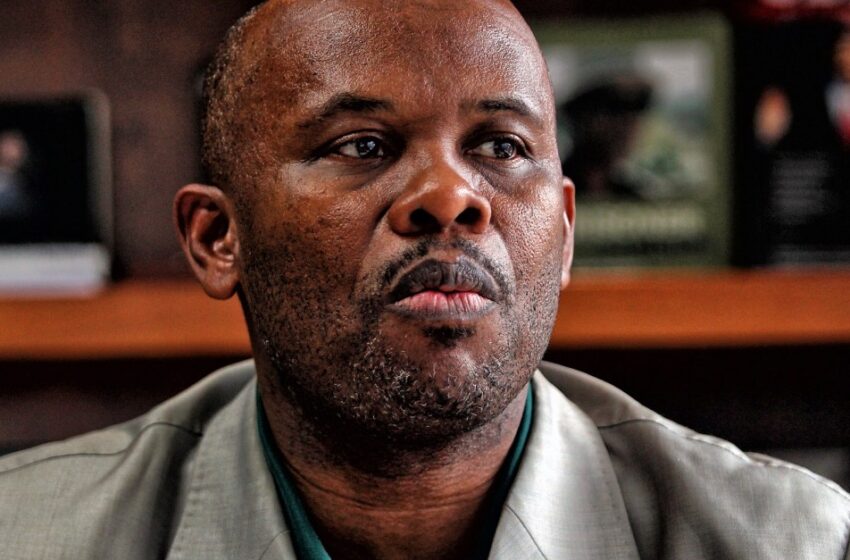
Shadrack Sibiya
The high-profile Madlanga Commission has taken center stage in South Africa’s political and policing landscape as suspended Deputy National Police Commissioner Shadrack Sibiya strongly denied allegations of serious misconduct, describing them as part of a coordinated effort to force him out of the South African Police Service (SAPS).
Testifying in Pretoria, Sibiya pushed back against claims that he unlawfully removed 121 case dockets from the Political Killings Task Team (PKTT), insisting his actions were lawful, procedurally sound, and undertaken with the knowledge of National Police Commissioner Fannie Masemola.
The commission is investigating allegations of political interference and corruption within the criminal justice system, making Sibiya’s four-day testimony a pivotal moment.
What Is the Madlanga Commission Investigating?
The Madlanga Commission was established to probe claims of political interference, corruption, and maladministration within South Africa’s criminal justice institutions.
Central to the inquiry are questions surrounding the disbandment of the Political Killings Task Team, a specialized unit tasked with handling politically motivated murder cases.
Sibiya’s role in the withdrawal of 121 case dockets, along with personnel and resources, has drawn intense scrutiny. He was suspended over allegations that he acted without proper authorization and overreached his authority.
However, Sibiya told the commission that the task team was never meant to operate indefinitely and that restructuring discussions had already taken place at executive level.
Sibiya’s Defense: “The Task Team Was Not Meant to Exist Forever”
During testimony, Sibiya emphasized that task teams within SAPS are typically established for specific objectives with defined lifespans.
“The PKTT was constituted to address a specific operational objective and was never intended to exist indefinitely,” he stated.
He further argued that Commissioner Masemola was present at a November 2024 executive meeting where operational restructuring, including discussions around the PKTT, was raised by then-Police Minister Senzo Mchunu.
According to Sibiya, Masemola could not have been surprised by the disbandment directive because he had participated in discussions reviewing the unit’s structure.
This directly contradicts earlier testimony suggesting the disbandment letter came unexpectedly.
READ ALSO
High Court rules against Shadrack Sibiya in battle to return to SAPS
The 121 Dockets Controversy Explained
The misconduct allegations stem from Sibiya’s decision to remove 121 case dockets after Mchunu disbanded the task team on 31 December 2024.
Despite being instructed to defer the matter to Commissioner Masemola, Sibiya ordered the withdrawal of the dockets. They were later returned by Acting Police Minister Firoz Cachalia.
Critics argue the move constituted overreach. Sibiya, however, maintains that he acted within an approved restructuring framework and with knowledge of senior leadership.
He also pointed to a police report recommending the establishment of a permanent murder and robbery unit to absorb the task team’s caseload, reinforcing his argument that the unit’s lifespan was always limited.
Allegations of a Political “Witch-Hunt”
In some of the most striking moments of his testimony, Sibiya alleged he has been subjected to a sustained campaign aimed at removing him from office.
He referenced more than 20 criminal cases opened against him by a crime intelligence task team under General Berning Ntlemeza, calling them unfounded and damaging to his reputation.
“These allegations have caused profound and lasting harm to my reputation, integrity and career,” Sibiya told the commission.
He also denied involvement in the arrest of Crime Intelligence head Dumisani Khumalo and rejected claims linking him to criminal cartels.
The suspended deputy commissioner described mounting pressure to push him out of SAPS despite, in his view, having done nothing wrong.
Broader Implications for SAPS and Criminal Justice Reform
The Madlanga Commission’s findings could have far-reaching consequences for SAPS leadership structures and public trust in law enforcement.
The controversy highlights ongoing tensions within the police service over operational independence, ministerial oversight, and internal accountability.
Sibiya’s testimony underscores deeper concerns about detective service performance, resource allocation, and duplication of capabilities within SAPS structures.
As the commission continues hearings, South Africans are closely watching whether the inquiry will uncover systemic political interference, or clear senior officials of wrongdoing.
The outcome could reshape the future of policing oversight in South Africa.
FAQ
What is the Madlanga Commission?
The Madlanga Commission is an inquiry investigating allegations of political interference, corruption, and misconduct within South Africa’s criminal justice system, including SAPS leadership decisions.
Why was Shadrack Sibiya suspended?
Sibiya was suspended over allegations of serious misconduct related to the withdrawal of 121 case dockets from the Political Killings Task Team without proper authorization.
What are the 121 dockets?
The 121 dockets refer to politically related murder cases that were removed from the disbanded task team amid restructuring disputes within SAPS.
Did Sibiya act without approval?
Sibiya maintains that he acted within an approved restructuring framework and with the knowledge of National Commissioner Fannie Masemola. However, this is disputed.
Who disbanded the Political Killings Task Team?
The unit was disbanded on 31 December 2024 by then-Police Minister Senzo Mchunu.
What does Sibiya claim about the allegations?
He alleges the charges are part of a coordinated political campaign to remove him from SAPS and damage his reputation.
What could the Madlanga Commission findings mean?
The findings could impact SAPS leadership accountability, police restructuring policies, and broader criminal justice reforms in South Africa.