

London Tube Strikes 2026: Full March, April and May dates revealed as RMT walkouts threaten major travel chaos

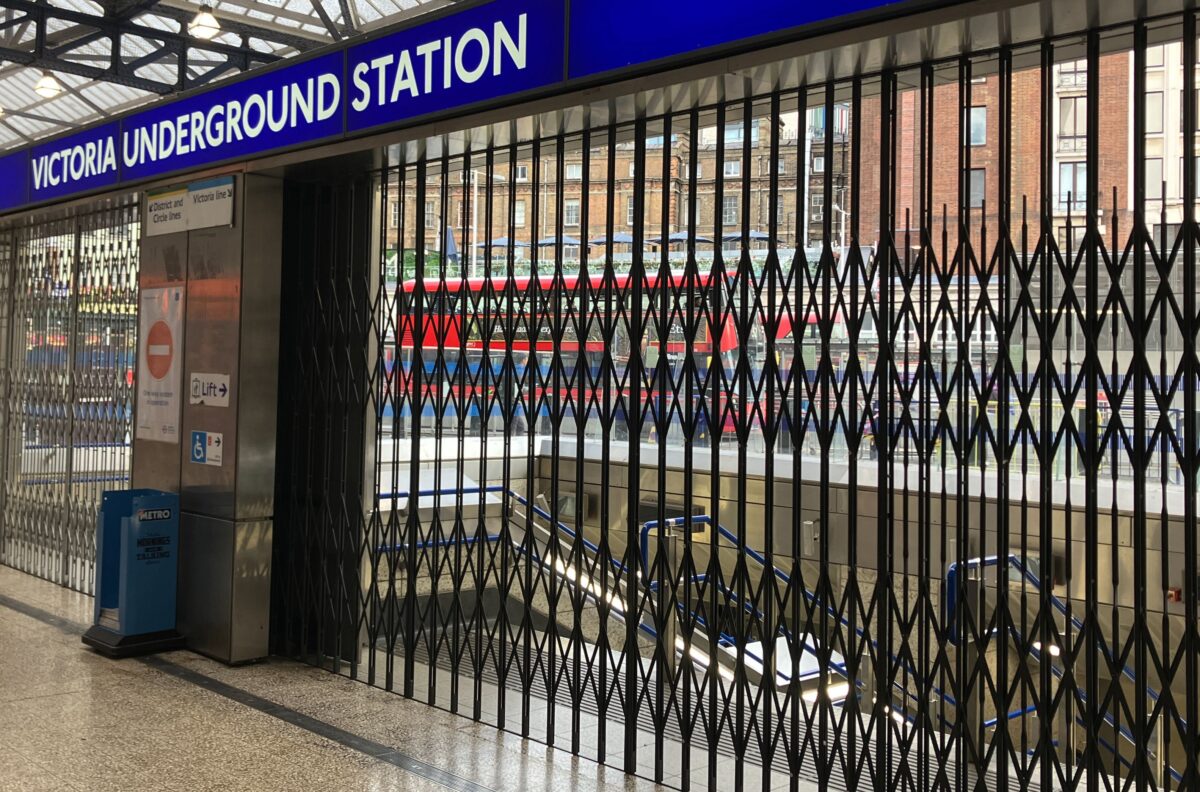
London Tube strikes set to disrupt travel across spring 2026. Image Credit: BBC/Harry Low
London commuters are facing another wave of major travel disruption after new London Tube strikes were confirmed for spring 2026, with the RMT union planning six separate walkouts across March, April and May. The planned industrial action is expected to affect London Underground services, with Transport for London passengers urged to prepare early as the first disruption begins on March 24.
The latest strike action marks the return of widespread concern over the capital’s transport network after months of relative calm. While the full operational impact is still being assessed, early reports indicate that the strikes could cause severe disruption around midday and into the following mornings, particularly as Londoners head into busy workdays and airport travel periods. The dispute centres on what the RMT says is a controversial compressed four-day working week for Tube drivers, a move the union argues could worsen fatigue, safety risks and work-life balance.
When Are the London Tube Strikes in 2026? Full Strike Dates Confirmed
According to published reports, RMT union members on the London Underground are set to walk out on six occasions, with each strike lasting a 24-hour period across two calendar dates. The confirmed London Tube strike dates are:
- March 24–25, 2026 (12pm to 11:59am)
- March 26–27, 2026 (12pm to 11:59am)
- April 21–22, 2026 (12pm to 11:59am)
- April 23–24, 2026 (12pm to 11:59am)
- May 19–20, 2026 (12pm to 11:59am)
- May 21–22, 2026 (12pm to 11:59am)
These strikes are spread over three months, meaning London’s transport system could remain under pressure well into late spring unless a negotiated settlement is reached sooner. Time Out London reported that the first walkouts will begin next week, with the action capable of ending early only if talks between the union and TfL produce a breakthrough.
Why Are London Underground Workers Striking?
The heart of the dispute is the RMT’s opposition to a compressed four-day working week for Tube drivers. The union says London Underground management is attempting to condense standard weekly hours into fewer days, raising serious concerns over longer shifts, altered working arrangements and the possible impact on driver fatigue and passenger safety.
RMT general secretary Eddie Dempsey said the proposed changes had already been rejected by members and warned that no satisfactory solution had been found despite months of negotiations. He argued the new pattern could undermine both safety standards and quality of life for staff, leaving the union with what it says is no option but to proceed with strike action.
Which London Tube Services Will Be Affected?
At the time of publication, TfL has not publicly detailed exactly which Tube lines will see the worst disruption or whether some routes may run reduced services. However, reports indicate that ASLEF members are not joining the strike, and non-driver RMT members are also not participating, which may reduce the overall scale compared with the highly disruptive Tube strikes seen in September 2025.
That said, passengers should still expect serious service interruptions, especially during the strike windows beginning at midday and stretching into the next morning. Based on Time Out London’s breakdown, the pattern is expected to look like this on each strike cycle:
- Strike day: Normal service until 11:59am, then severe disruption after midday
- Following day: Severe disruption until 11:59am, followed by gradual service recovery
This same disruption pattern is expected to repeat across all six strike windows in March, April and May.
READ ALSO
London underground strike to halt tube services for four days as union dispute intensifies
London’s Victoria Line chaos: Why trains suddenly stopped and left commuters trapped underground
Eurostar strands thousands: What to know about the Channel Tunnel Power Failure days before New Year
Will the Elizabeth Line, Overground or Eurostar Be Affected?
For travellers worried about wider rail disruption, there is some relief:
- Elizabeth line: No Elizabeth line strikes are currently planned, and the line is expected to run normally, although it will likely be busier than usual.
- Eurostar: No Eurostar strike action is expected in connection with these Tube strikes.
- London Overground: Most Overground services are expected to operate normally, but the Windrush line faces its own separate RMT industrial action on March 26 and April 23.
The Windrush line, which runs from Highbury & Islington to Clapham Junction, West Croydon and Crystal Palace, may see disruption due to a separate dispute involving signalling and telecoms staff employed by contractor Cleshar CS Ltd. On a previous strike in February, TfL reportedly managed to run a normal service, but commuters should still watch for updates.
How to Get Around London During the Tube Strikes
Commuters, tourists and airport passengers are being advised to plan ahead. During previous strike periods, buses, National Rail and e-bike hire schemes became the main fallback options for moving around the capital.
For airport travel:
- Heathrow passengers who normally rely on the Piccadilly line can switch to the Elizabeth line or Heathrow Express
- National Express coaches remain an alternative from central and outer London
- Road travel via taxi or private car is possible, but heavier traffic should be expected
TfL has not yet published a full contingency plan in the reports cited, so passengers should continue monitoring live service alerts closer to each strike date.
A Fresh Blow for London Commuters After Earlier Rail Disruption
The strike announcement comes as London’s transport users are already navigating a crowded spring calendar of disruptions, including Piccadilly line closures, Liverpool Street station works, and intermittent Overground service changes. That broader backdrop could intensify commuter frustration if the Tube strike schedule proceeds as planned.
With the capital entering a busy spring travel season, the 2026 Tube strikes are shaping up to be one of the biggest transport stories in London, especially if negotiations fail to de-escalate the dispute before the first midday walkout begins on March 24.
FAQ
1. When are the London Tube strikes in 2026?
The confirmed London Tube strike dates are March 24–25, March 26–27, April 21–22, April 23–24, May 19–20, and May 21–22, 2026. Each strike begins at 12pm and ends at 11:59am the following day.
2. Is there a Tube strike in London today?
Whether there is a Tube strike “today” depends on the date. The planned 2026 strike windows are limited to six periods across March, April and May. If today falls outside those dates, there is no scheduled RMT Tube strike based on current reports.
3. Why are London Underground workers striking?
The RMT union says the strike is over London Underground’s proposed compressed four-day working week for Tube drivers. The union argues the plan could create fatigue, safety concerns and poorer work-life balance.
4. Which Tube lines will be affected by the strikes?
As of the latest published reports, TfL has not confirmed a line-by-line breakdown. However, commuters should expect severe disruption across parts of the London Underground network, especially after midday on strike days and into the next morning.
5. Will the Elizabeth line be on strike too?
No. No Elizabeth line strikes are currently planned in connection with the RMT’s London Underground action. However, the Elizabeth line may be much busier than usual as passengers look for alternatives.
6. Will Eurostar be affected by the London Tube strikes?
No. Eurostar is not expected to be affected by the London Tube strikes announced for spring 2026.
7. Are London Overground services also on strike?
Most London Overground routes are expected to run, but the Windrush line has separate strike dates on March 26 and April 23 due to a different RMT dispute involving subcontracted staff.
8. How can I get to Heathrow during the Tube strikes?
If the Piccadilly line is disrupted, travellers can use the Elizabeth line or Heathrow Express. Coaches, taxis and private cars are also options, though road traffic may be heavier than usual.
9. How long will the London Tube strikes last?
The current action spans three months, from March through May 2026, with six separate strike periods. The dispute could end earlier if the RMT and TfL reach an agreement.
10. Will buses run during the Tube strikes?
Yes, London buses are expected to provide alternative travel routes. However, buses are likely to be much busier, and some parts of London are also dealing with separate bus-related industrial action in March, which could add pressure in affected areas.