

Lifetime driving ban proposed as South Africa moves to zero alcohol limit for drivers: What it means

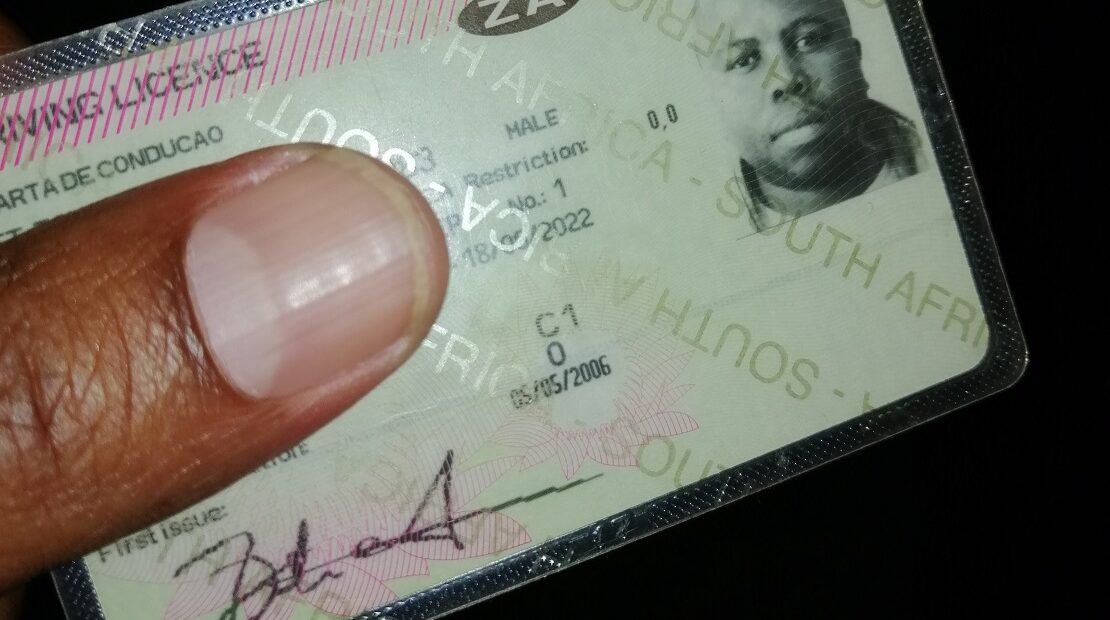
South Africa considers lifetime driving ban for drunk drivers
South Africa could soon see some of the strictest road safety laws in its history, as lawmakers push for a zero-tolerance alcohol policy and even propose a lifetime driving licence ban for offenders caught driving under the influence.
The proposal, backed by the Parliamentary Portfolio Committee on Transport, comes amid renewed efforts to curb the country’s persistently high rate of road fatalities, many of which are linked directly to alcohol consumption.
Zero Alcohol Limit for Drivers Could Be Enforced by April 2026
Transport Minister Barbara Creecy recently announced plans to amend Section 65 of the National Road Traffic Act, effectively reducing South Africa’s legal blood alcohol limit from 0.05g/100ml to zero.
If approved, the law would ban any amount of alcohol for drivers, removing ambiguity around what is considered “safe” to drink before driving. The proposed changes could be enforced as early as April 2026, ahead of the busy Easter holiday period.
Creecy said the current threshold was outdated and no longer defensible in a country battling severe road carnage.
Shocking Holiday Arrest Figures Fuel Urgency
During the December 2025 festive season, authorities tested 173,000 drivers for alcohol consumption. Of those, 8,561 were arrested for driving under the influence, a 144% increase compared to the previous year.
“These figures show that decisive action is required,” Creecy said, adding that allowing any level of drinking and driving was “totally unacceptable.”
READ ALSO
Vanderbijlpark crash leaves 13 schoolchildren dead. Image Source: AFP/Getty Images
Parliament Backs Lifetime Driving Licence Ban for Offenders
Going a step further, the Parliamentary Portfolio Committee on Transport has openly supported the idea of permanent driving licence bans for motorists found guilty of drunk driving.
Committee chairperson Donald Selamolela said offenders should face stiff sanctions, including being banned from ever holding a driver’s licence.
“Drunk driving remains a serious and dangerous offence,” Selamolela stated, arguing that lenient penalties have emboldened reckless behaviour on South African roads.
Why Lawmakers Say Tougher Punishment Is Necessary
According to labour federation Cosatu, alcohol is linked to around 40% of all annual road deaths in South Africa. The organisation has publicly backed the zero-alcohol limit and harsher penalties, calling the country’s relationship with alcohol “unhealthy and dangerous.”
The transport committee also raised concerns over weak enforcement, claiming many drivers flout traffic laws because they expect police inaction. Calls have now been made for more officers, stricter roadblocks, and faster implementation of the proposed reforms.
Easter Deadline Raises Pressure on Government
The committee has urged government to fast-track the legislation before the Easter weekend (3–6 April 2026), warning that delays could result in preventable deaths during peak travel periods.
“If we fail to act now, high fatality figures will persist,” Selamolela warned.
What Happens Next for South African Drivers
While the proposals still require legislative amendments and public consultation, momentum is clearly building toward a zero-tolerance alcohol driving regime, one that could permanently remove offenders from the road.
If implemented, the changes would place South Africa among countries with the harshest drunk-driving penalties globally, fundamentally reshaping driver behaviour, insurance policies, and law enforcement practices.
FAQ
Is South Africa banning drinking and driving completely?
Yes. Government plans aim to reduce the legal blood alcohol limit to zero, meaning any alcohol detected while driving would be illegal.
When will the zero alcohol driving law take effect?
If approved, enforcement could begin as early as April 2026, ahead of the Easter holiday period.
What is the current legal alcohol limit in South Africa?
The current limit is less than 0.05g/100ml, but this may soon be removed entirely.
Can drivers really get a lifetime driving ban?
Yes. Parliament’s Transport Committee has proposed permanent licence bans for offenders convicted of drunk driving.
Why is government pushing for harsher penalties now?
Road fatalities linked to alcohol remain high, with over 8,500 arrests during the 2025 festive season alone.
Will this law apply to first-time offenders?
Details are still under discussion, but lawmakers have indicated severe consequences, particularly for those who test positive for alcohol.
Who supports the lifetime driving ban proposal?
The proposal is backed by the Transport Portfolio Committee, Cosatu, and the Department of Transport.
What happens if the law is delayed?
Officials warn delays could lead to continued high death tolls, especially during peak travel periods like Easter.