

Is Liam Neeson really against vaccines? His involvement with anti-vax documentary raises questions

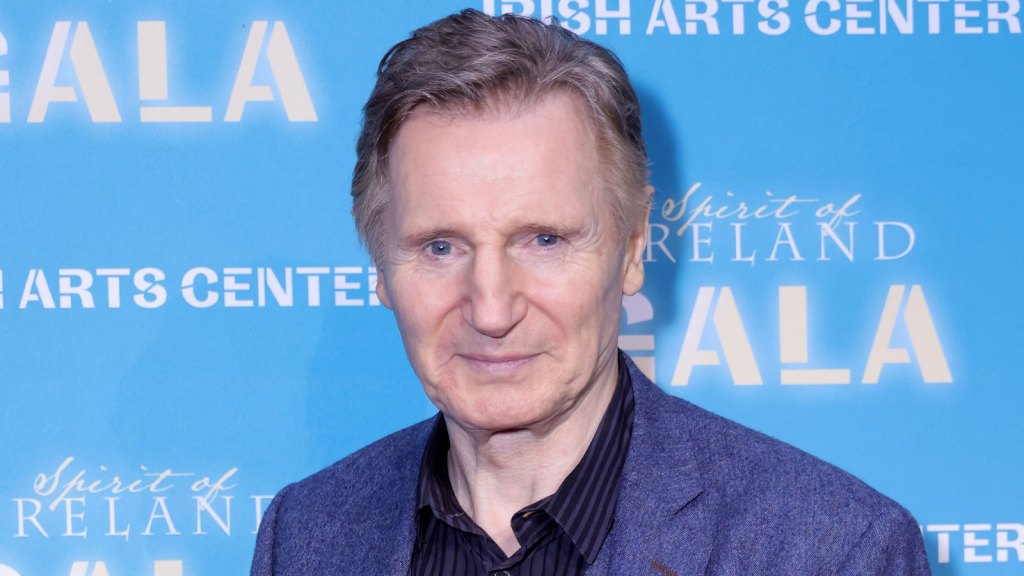
Liam Neeson. Image Credit: Michael Loccisano/Getty Images
Liam Neeson is at the center of an unexpected controversy after lending his voice to Plague of Corruption, a documentary that questions vaccine legitimacy and amplifies claims tied to long-debunked anti-vaccination narratives. The Oscar-winning actor, long known for supporting global immunization efforts through UNICEF, now finds himself defending his stance on public health and distancing himself from the film’s editorial messaging.
His involvement has sparked intense debate, especially as the documentary features discredited claims, contentious commentary from Robert F. Kennedy Jr., and scientific assertions refuted by global health authorities.
Neeson Clarifies: “I Am Not Anti-Vaccination”
As criticism mounted online, representatives for Liam Neeson issued a direct and carefully worded response, stressing that the actor’s participation does not reflect anti-vaccination beliefs.
According to the statement, Neeson “never has been, and is not, anti-vaccination,” and his work with UNICEF underscores his long-standing support for immunization. His team emphasized that he had no role in shaping the film’s narrative, instructing reporters and critics to direct concerns to the producers.
This reassurance stands in stark contrast to the documentary’s tone, which suggests vaccines were “dangerous experiments” and alleges that science has become “dangerously politicised.”
READ ALSO
mRNA Vaccine: Here’s why RFK Jr. pulled $500M in funding
Inside the Documentary Fueling the Controversy
Plague of Corruption draws heavily from the writings of Judy Mikovits, a figure widely discredited in the scientific community for her false claims about vaccines, Covid origins, and other public health issues. Co-produced by Kent Heckenlively, who is known for collaborating with far-right conspiracy figures, the film leans into narratives that have been repeatedly debunked by major health organizations.
The documentary features:
- RFK Jr., who criticizes vaccine safety testing
- Claims that Covid vaccines were “rushed to market”
- Attacks on Dr. Anthony Fauci using clips from a BBC program later deemed inaccurate
- Assertions connecting vaccines to autism, a theory definitively rejected by WHO
Despite the film’s sensational framing, its scientific claims contradict the overwhelming consensus of global health experts.
A Jarring Contrast With Neeson’s Pro-Vaccine Record
The controversy lands especially sharply because Neeson has for years been among Hollywood’s most vocal advocates for vaccination.
In 2022, he called vaccines “one of the biggest collective achievements in human history,” praising their role in eradicating diseases like smallpox and controlling polio. As a UNICEF ambassador, he publicly supported Covid vaccination campaigns throughout the pandemic.
This history makes his involvement in Plague of Corruption surprising to many, especially as the narration includes lines questioning scientific institutions and referencing erroneous vaccine-autism claims.
Industry and Public Reaction: Shock, Confusion and Debate
Reports from outlets such as The Guardian and The A.V. Club highlight widespread confusion in entertainment circles. Many question:
- Why Neeson agreed to the project
- Whether he fully understood the documentary’s framing
- The ethical implications of participating in content tied to misinformation
The documentary’s presence on YouTube has further amplified scrutiny, especially in light of climbing measles cases in the U.S., with more than 1,900 reported infections.
Some critics argue the film’s release, and Neeson’s voice attached to it, could inadvertently lend credibility to misinformation, regardless of his intent.
“This Is the Beginning of a New Chapter” — Neeson’s Closing Words
In the documentary’s final moments, Neeson’s narration declares:
“This is not the end of our story. This is the beginning of a new chapter.”
Ironically, these words now carry unintended meaning, as the actor navigates one of the most complex public controversies of his career, balancing professional obligations with a strongly stated commitment to scientific truth.
FAQ
Is Liam Neeson anti-vaccination?
No. Neeson has repeatedly affirmed his support for vaccines. His representatives clarified that he is not anti-vaccination, and his long partnership with UNICEF reflects strong advocacy for global immunization programs.
Why did Liam Neeson narrate Plague of Corruption?
According to his team, Neeson was hired as a narrator but did not influence or shape the documentary’s editorial content. The producers are responsible for the film’s messaging.
What claims does the documentary make about vaccines?
Plague of Corruption promotes discredited theories, including:
- Vaccines were “dangerous experiments”
- Covid vaccines were rushed unsafely
- Vaccines may cause autism (a claim repeatedly disproven by WHO, CDC, and global health authorities)
Who is Judy Mikovits and why is she controversial?
Mikovits is a former scientist associated with false claims about vaccines, Covid origins, and medical conspiracies. Her work has been widely discredited, yet she remains a central figure in anti-vaccine movements.
Why is RFK Jr. featured in the film?
RFK Jr., now a key figure in U.S. public health debates, has long argued that vaccines are insufficiently tested, claims rejected by mainstream medical science. His inclusion signals the documentary’s anti-establishment framing.
What has been the public reaction to Neeson’s involvement?
Reactions range from confusion to criticism. Many observers question how a UNICEF ambassador known for pro-vaccine messaging became involved in a documentary tied to misinformation.
Did Neeson criticize vaccines in the film?
Neeson’s narration uses phrasing that questions institutions and vaccine safety, but his team insists he was reading a prepared script and that the views expressed are not his own.
How does this controversy affect Neeson’s legacy?
For some, it raises concerns about celebrity participation in sensitive public health narratives. For others, his clarified pro-vaccine position and humanitarian record maintain his credibility.
What is the documentary’s historical accuracy?
Major health organizations, including WHO, CDC, and independent researcher, have repudiated the documentary’s core claims, citing lack of evidence and misrepresentation of scientific data.