

9 Lesser-Known UNESCO World Heritage Sites to Visit

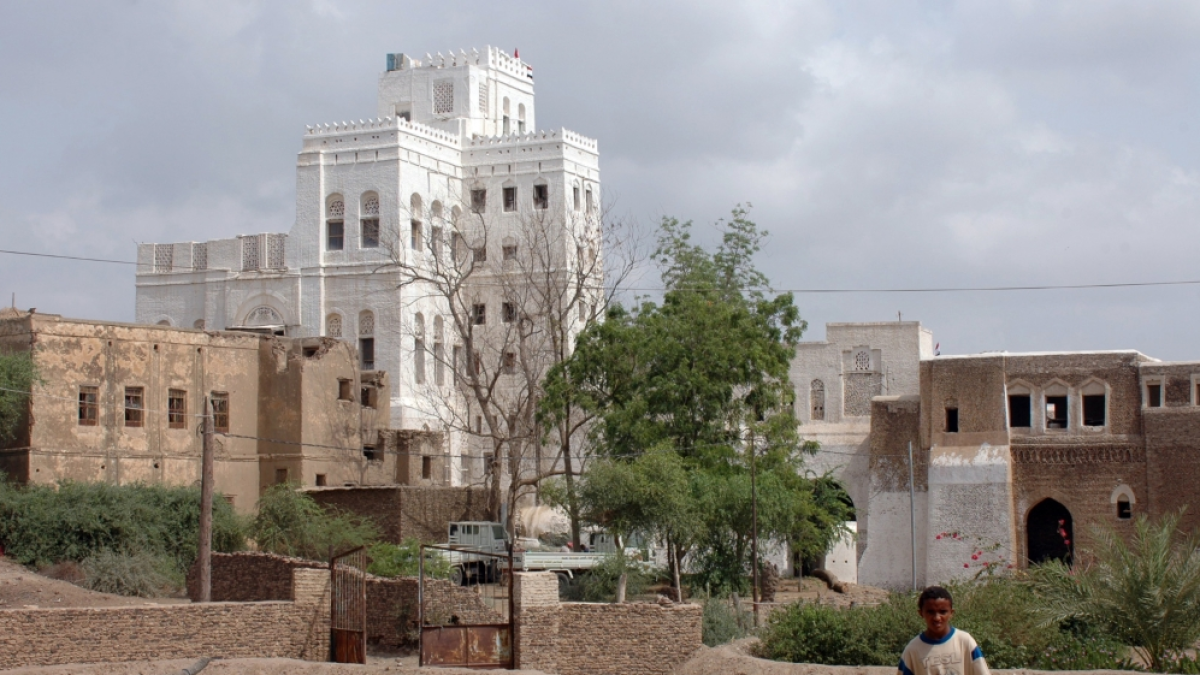
Historic Town of Zabid, Yemen. Image Source: AFP
When most travelers think of UNESCO World Heritage Sites, iconic landmarks like the Great Wall of China, Machu Picchu, or the Taj Mahal often come to mind. Yet beyond these world-famous attractions lies a quieter list of lesser-known UNESCO World Heritage Sites that are just as historically significant, and often far more immersive.
As global travel rebounds and tourists seek authentic, less crowded experiences, attention is shifting toward under-the-radar destinations that combine cultural depth with natural beauty. Here are nine UNESCO World Heritage Sites you may not have heard of, but should seriously consider visiting.
1. Rock-Hewn Churches of Lalibela, Ethiopia
Carved directly into solid rock in the 12th century, Lalibela’s monolithic churches remain one of Africa’s most astonishing spiritual landmarks. Still actively used for worship, the site offers a rare blend of living faith and ancient architecture.
2. Historic Town of Zabid, Yemen
Once a center of Islamic learning, Zabid played a crucial role in the intellectual history of the Arab world. Despite its importance, the town remains largely unknown to global tourists, preserving its traditional urban layout and historic mosques.
3. Takht-e Soleyman, Iran
Surrounded by volcanic mountains, this ancient religious complex was once a sacred site for Zoroastrians and later adopted by other empires. Its dramatic setting and archaeological depth make it one of Iran’s most compelling yet overlooked destinations.
4. Koutammakou, Land of the Batammariba (Togo/Benin)
This cultural landscape is famous for its unique mud tower houses known as takienta. The site reflects a deep relationship between architecture, social structure, and spiritual beliefs, offering insight into a living cultural tradition.
5. Archaeological Landscape of the First Coffee Plantations, Cuba
Hidden in eastern Cuba’s forested hills, these ruins tell the story of 19th-century coffee production driven by enslaved labor. It’s a powerful reminder of colonial history and agricultural innovation.
READ ALSO
12 Emerging Travel Communities to Join
10 Reasons Post-Travel Depression Hits After a Trip
6. Ancient City of Sigiriya, Sri Lanka
Often overshadowed by Angkor Wat or Petra, Sigiriya features a massive rock fortress topped with palace ruins. The site combines engineering brilliance, landscaped gardens, and vivid frescoes.
7. Leptis Magna, Libya
Once one of the Roman Empire’s most important cities, Leptis Magna boasts remarkably preserved ruins, including amphitheaters and markets. Its relative obscurity is due more to geopolitics than lack of significance.
8. Hampi Group of Monuments, India
While India hosts many UNESCO sites, Hampi remains less visited than expected. Spread across a surreal boulder-strewn landscape, its temples and ruins reveal the grandeur of the Vijayanagara Empire.
9. Chief Roi Mata’s Domain, Vanuatu
This cultural site in the South Pacific preserves the legacy of a powerful 13th-century leader through oral traditions, sacred landscapes, and archaeological remains, demonstrating how history can live beyond written records.
Travel experts note that visiting lesser-known UNESCO World Heritage Sites not only reduces over-tourism but also supports local communities and conservation efforts. These destinations offer richer, slower, and more meaningful travel experiences, something many modern travelers increasingly value.
FAQ
What are lesser-known UNESCO World Heritage Sites?
They are officially recognized heritage sites that receive less global attention but hold equal cultural, historical, or natural significance.
Why should I visit underrated UNESCO sites?
They offer fewer crowds, deeper cultural interaction, lower travel costs, and a more authentic experience compared to popular landmarks.
Are lesser-known UNESCO sites safe to visit?
Many are safe and welcoming, though travelers should always check local advisories and travel guidelines before visiting.
Which country has the most underrated UNESCO sites?
Countries like Iran, Ethiopia, India, and Cuba host several UNESCO sites that remain underexplored by international tourists.
Do UNESCO sites cost money to visit?
Some charge small entrance fees to support conservation, while others are free or donation-based.
How does UNESCO choose World Heritage Sites?
Sites are selected based on criteria such as cultural significance, architectural value, historical importance, and natural uniqueness.
Can visiting lesser-known sites help local communities?
Yes. Tourism to under-visited sites often brings economic benefits directly to local residents while supporting preservation efforts.