

Len Deighton dies at 97: How The Ipcress File author changed spy fiction forever

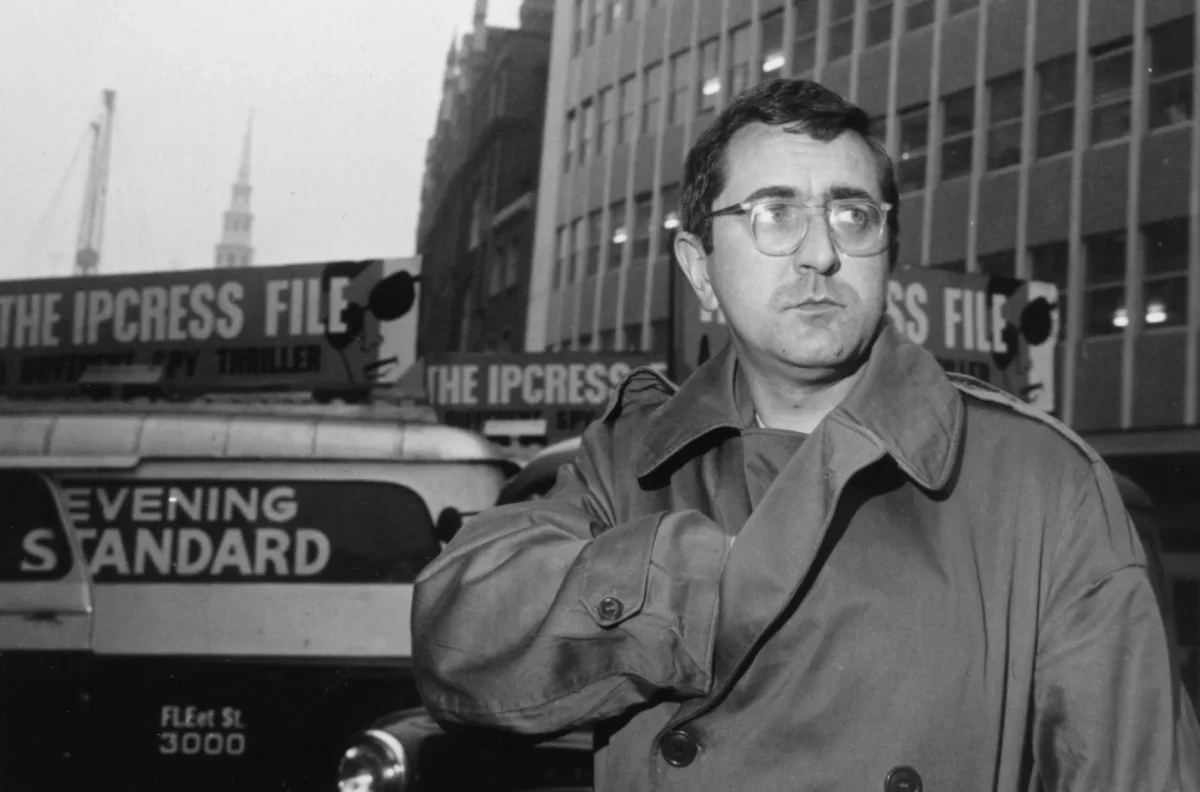
Len Deighton, The Ipcress File author, dies at 97
Len Deighton, the British novelist who reshaped the modern spy thriller with The Ipcress File and the iconic Harry Palmer character, has died at the age of 97. His death was confirmed to the BBC by his literary agent, though no cause of death was disclosed in the source material you provided.
For generations of readers, Deighton was more than a bestselling author. He was the writer who helped drag espionage fiction out of the glossy, upper-class shadow of James Bond and into a far more cynical, class-conscious, and believable world. With sharp dialogue, Cold War paranoia, and deeply flawed intelligence operatives, Deighton became one of the defining voices of postwar British literature, and one of the most influential spy writers of the 20th century.
Who Was Len Deighton? The British Author Behind The Ipcress File
Born Leonard Cyril Deighton in Marylebone, London, on 18 February 1929, Len Deighton came from a working-class background that would later shape the anti-establishment tone of his fiction. According to the BBC obituary you shared, his mother worked as a cook and his father as a chauffeur for a wealthy family.
That class awareness became central to Deighton’s writing. Unlike Ian Fleming’s suave and elite James Bond, Deighton’s spies were often ordinary, frustrated, suspicious of authority, and deeply aware of Britain’s rigid social hierarchy. This made his books feel radically different in the 1960s, and remains one of the reasons readers still seek out his work today.
Before becoming a literary giant, Deighton had a varied and unusual career. He served in the RAF during National Service, where he learned skills such as photography, flying, and scuba diving. He later worked as a railway clerk, air steward, press photographer, illustrator, and even a cookery cartoonist before finding fame as a novelist.
How The Ipcress File Made Len Deighton a Spy Fiction Legend
Deighton’s breakthrough came with 1962’s The Ipcress File, the novel that made him an international name and changed the course of British espionage fiction.
The novel arrived just as the spy genre was booming, thanks in part to the release of the first Bond film, Dr No. But instead of glamorous casinos and exotic seductions, Deighton delivered a drab, bureaucratic, and psychologically tense Cold War world. His protagonist, unnamed in the novel and later called Harry Palmer in the film adaptation, was a working-class intelligence officer battling not just foreign threats but also the arrogance and incompetence of his own superiors.
That difference mattered. Deighton’s version of espionage was grounded in realism, class resentment, institutional dysfunction, and moral ambiguity. It felt modern, subversive, and distinctly British.
The 1965 film adaptation of The Ipcress File, starring Michael Caine, became a major success and helped cement both Deighton’s literary reputation and the Harry Palmer legend. It also introduced a screen spy who stood in deliberate contrast to Bond, bespectacled, sardonic, and unmistakably human.
Len Deighton vs James Bond: Why His Spy Novels Felt More Real
One of the biggest reasons Len Deighton remains so widely discussed is that he effectively created a working-class alternative to James Bond.
Where Bond was polished and privileged, Deighton’s heroes were often:
- Cynical
- Bureaucratically trapped
- Skeptical of the establishment
- More likely to argue over expenses than save the world in style
This was no accident. The Telegraph obituary you shared described Deighton as the man who “reinvented the spy thriller,” turning a “flashy, tuxedo-clad” genre into something grittier and more realistic.
That influence can still be seen in later espionage storytelling, from the moral complexity of John le Carré adaptations to modern anti-hero intelligence dramas. In many ways, Deighton helped normalize the idea that a spy novel could be about systems, psychology, class, and institutional decay, not just gadgets and glamour.
READ ALSO
Motörhead guitar legend Phil Campbell dies at 64 after major operation, family confirms
Beyond Spy Novels: Len Deighton’s Cookbooks, WWII Writing and Screen Work
Although he is best known for his espionage fiction, Len Deighton’s career was remarkably diverse.
He wrote and illustrated popular “cookstrips” for British newspapers, later collected in Len Deighton’s Action Cookbook and Ou Est le Garlic, books that helped introduce a more adventurous food culture to young British readers. In an era when home cooking was still heavily gendered, Deighton’s playful, stylish food writing became unexpectedly influential.
He also wrote acclaimed Second World War books, including:
- Bomber (1969) – often regarded as one of his masterpieces
- Fighter (1977)
- Blitzkrieg (1979)
- Blood, Tears and Folly (1993)
His alternative-history novel SS-GB (1978) imagined Britain under Nazi occupation and later enjoyed renewed attention when adapted by the BBC in 2017.
In the 1980s and 1990s, Deighton launched the Bernard Samson spy series, another landmark in espionage fiction, praised for its psychological depth and Cold War realism.
Why Len Deighton’s Legacy Still Matters in 2026
The death of Len Deighton at 97 marks the end of an era in British literature. But his influence is far from over.
His novels continue to matter because they did something rare: they changed the grammar of an entire genre. He showed that spy fiction could be:
- Literate
- Political
- Funny
- Suspicious of power
- Rooted in social reality
That’s why The Ipcress File still gets rediscovered, why SS-GB was revived for television, and why readers searching “Who was Len Deighton?” or “best Len Deighton books” still find a writer whose work feels startlingly current.
In an age of renewed geopolitical anxiety, Cold War fiction has new relevance, and Deighton’s stories of bureaucracy, mistrust, deception, and state power feel as timely as ever.
Len Deighton’s Death: A Final Word on a Master of Espionage Fiction
Len Deighton once said the best part of being an author was telling people at parties that he wrote books; the worst part was actually sitting down to write them. But for readers, the result was extraordinary.
From The Ipcress File to Bomber, from Harry Palmer to Bernard Samson, Len Deighton built a body of work that permanently altered British popular culture.
Len Deighton may be gone, but the modern spy thriller still speaks in a language he helped invent.
FAQ
1. Is Len Deighton dead?
Yes. According to the source material you provided, Len Deighton has died at the age of 97. His death was confirmed to the BBC by his literary agent.
2. How old was Len Deighton when he died?
Len Deighton was 97 years old when he died. He was born on 18 February 1929 and, according to the Telegraph material you shared, died on 15 March 2026.
3. What was Len Deighton famous for?
Len Deighton was best known as the author of The Ipcress File, the landmark 1962 spy novel that helped transform modern espionage fiction. He was also known for creating the world that led to the iconic Harry Palmer film character played by Michael Caine.
4. What is The Ipcress File about?
The Ipcress File is a Cold War spy thriller centered on an intelligence officer investigating brainwashing, secret operations, and the darker side of British espionage. Unlike James Bond stories, it focuses on bureaucracy, realism, and class tensions.
5. Did Len Deighton create Harry Palmer?
Sort of. In The Ipcress File, the main character is unnamed in the novel. The name Harry Palmer was created for the 1965 film adaptation, where he was played by Michael Caine.
6. Why is Len Deighton important in spy fiction?
Len Deighton is important because he helped make spy fiction more realistic, more cynical, and more socially aware. He moved the genre away from fantasy and glamour and toward Cold War tension, class conflict, and institutional mistrust.
7. Was Len Deighton better than Ian Fleming?
That depends on taste, but many critics saw Deighton as a major counterpoint to Ian Fleming. While Fleming’s Bond novels were stylish and escapist, Deighton’s books were often praised for being grittier, smarter, and more grounded in real social tensions.
8. What are Len Deighton’s best books?
Some of Len Deighton’s most famous and acclaimed books include:
- The Ipcress File
- Funeral in Berlin
- Billion Dollar Brain
- Bomber
- SS-GB
- Berlin Game
- Mexico Set
- London Match
9. What is Len Deighton’s masterpiece?
Many readers consider The Ipcress File his most famous work, but many critics and longtime fans argue that Bomber (1969) is his literary masterpiece because of its scale, technical precision, and anti-war power.
10. What is SS-GB by Len Deighton?
SS-GB is an alternative-history novel published in 1978. It imagines a Britain occupied by Nazi Germany after a failed Battle of Britain. It was later adapted into a BBC drama in 2017.
11. What are the Bernard Samson books?
The Bernard Samson novels are Len Deighton’s later Cold War spy series, beginning with Berlin Game (1983). They are widely admired for their complex plotting, emotional realism, and nuanced look at intelligence work.
12. Did Len Deighton write cookbooks?
Yes. Len Deighton also wrote and illustrated food-related works, including:
- Len Deighton’s Action Cookbook
- Ou Est le Garlic He became known for his stylish “cookstrips,” which helped popularise modern home cooking among younger British readers.
13. Was Len Deighton involved in film and television?
Yes. Deighton’s books were adapted into several major screen works, including:
- The Ipcress File (1965 film)
- Funeral in Berlin
- Billion Dollar Brain
- SS-GB (BBC, 2017)
- The Ipcress File (ITV, 2022)
14. What made Len Deighton different from other spy writers?
Len Deighton stood out because his writing combined:
- Working-class perspective
- Cold War realism
- Institutional satire
- Technical detail
- Sharp, ironic dialogue He treated spies as fallible people trapped inside flawed systems.
15. What was Len Deighton’s cause of death?
Based on the source material you provided, no cause of death was publicly given.
16. Where was Len Deighton from?
Len Deighton was born in Marylebone, London, and remained closely associated with British postwar culture and literature throughout his career.
17. Did Len Deighton retire from writing?
Yes. After publishing Faith, Hope and Charity in the mid-1990s, Deighton stepped away from fiction and later confirmed his retirement. He said he found the writing process gruelling and did not return to full-time authorship.