

Lagos communities to experience 4-month electricity disruption, TCN lists affected areas

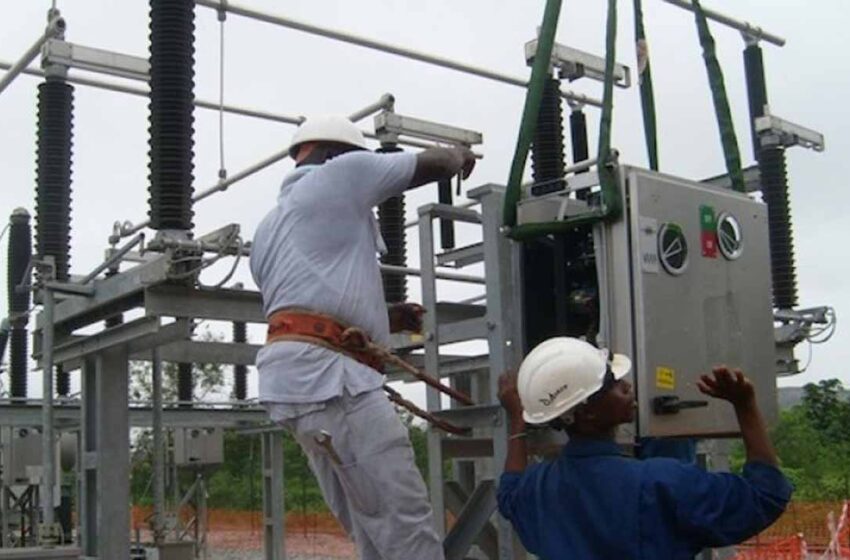
Lagos residents prepare for 25-day power outage as DisCos announce daily blackouts for critical grid maintenance.
Residents and businesses in parts of Lagos are bracing for months of unstable electricity supply after the Transmission Company of Nigeria (TCN) confirmed a major upgrade project that will temporarily affect power distribution.
The development centres on the Amuwo transmission facility, a critical hub in Lagos’ electricity network, with officials warning that while efforts are being made to reduce the impact, outages are unavoidable during the rehabilitation period.
Lagos Power Outage: What TCN Just Announced
The Transmission Company of Nigeria disclosed that it has commenced a 122-day rehabilitation of the Amuwo 132/33kV Gas Insulated Substation, beginning from March 18 and expected to end on July 30, 2026.
According to the agency, the project is part of a broader push to upgrade Nigeria’s ageing transmission infrastructure and improve long-term electricity supply, especially in high-demand areas like Lagos.
Officials acknowledged that the work would disrupt normal power supply across several locations but insisted the intervention is necessary to avoid bigger failures in the future.
Areas Affected by the Power Interruption in Lagos
The initial phase of the project required shutting down the substation temporarily, which immediately affected electricity supply to key locations.
Areas linked to substations such as Apapa, Ilashe, and Atlas Cove experienced outages during the early stage of the exercise. These locations serve both residential neighbourhoods and industrial clusters, meaning the disruption has both economic and social implications.
Although power was restored shortly after the initial shutdown, TCN warned that fluctuations and reduced supply may continue throughout the project timeline.
Why the Amuwo Substation Upgrade Is Happening
The Amuwo substation plays a crucial role in distributing electricity across parts of Lagos. Over time, increasing population growth and industrial expansion have placed pressure on existing infrastructure.
By upgrading the gas-insulated system, the Transmission Company of Nigeria aims to:
- Improve grid stability
- Reduce system failures and outages
- Support rising electricity demand
- Enhance efficiency in power transmission
Gas-insulated substations are particularly important in densely populated cities because they require less space and are more reliable than traditional systems.
Measures Introduced to Reduce Blackout Impact
To avoid a total blackout, TCN has rolled out temporary solutions to keep electricity flowing, even if at reduced levels.
The company confirmed that mobile transformers (40MVA and 30MVA units) have been deployed to the Amuwo facility. These will help distribution companies like:
- Eko Electricity Distribution Company
- Ikeja Electricity Distribution Company
…continue supplying electricity to customers during the upgrade.
However, residents have been advised to expect intermittent supply and load shedding, as the temporary setup cannot match full operational capacity.
What Lagos Residents Should Expect in the Next Four Months
For households and businesses, the next few months may require adjustments.
Electricity users in affected areas should prepare for:
- Irregular power supply
- Possible voltage fluctuations
- Increased reliance on alternative power sources
Small businesses, especially those dependent on steady electricity, may feel the impact more strongly, while larger industries may need to scale up backup energy solutions.
Long-Term Benefits: Better Power Supply Coming
Despite the short-term inconvenience, the project is expected to deliver significant long-term gains.
Once completed, the upgraded Amuwo substation is projected to:
- Deliver more stable electricity
- Reduce system collapses and outages
- Improve supply to Lagos’ commercial zones
- Support economic growth in the state
Lagos, being Nigeria’s economic nerve centre, requires a robust and modern power infrastructure to sustain its growth—and this project is seen as a step in that direction.
TCN Appeals for Patience from Residents
The Transmission Company of Nigeria has appealed to consumers to remain patient while the work continues.
Officials emphasised that while the disruption is regrettable, the upgrade is essential for building a more reliable electricity system.
Residents were also encouraged to plan ahead, stay informed through official updates, and take necessary precautions during the period.
Frequently Asked Questions (FAQs)
1. Why is there a power interruption in Lagos?
The outage is due to the rehabilitation of the Amuwo 132/33kV substation by TCN to improve long-term electricity supply.
2. How long will the outage last?
The project is expected to last 122 days, from March 18 to July 30, 2026.
3. Which areas are affected?
Areas connected to substations like Apapa, Ilashe, and Atlas Cove are among those impacted.
4. Will there be a total blackout?
No. TCN has deployed mobile transformers to ensure partial electricity supply during the project.
5. What are the benefits after completion?
Improved power stability, fewer outages, and better electricity distribution across Lagos.