

Did Kristi Noem mislead Congress about Veteran deportations? What to know about her DHS testimony

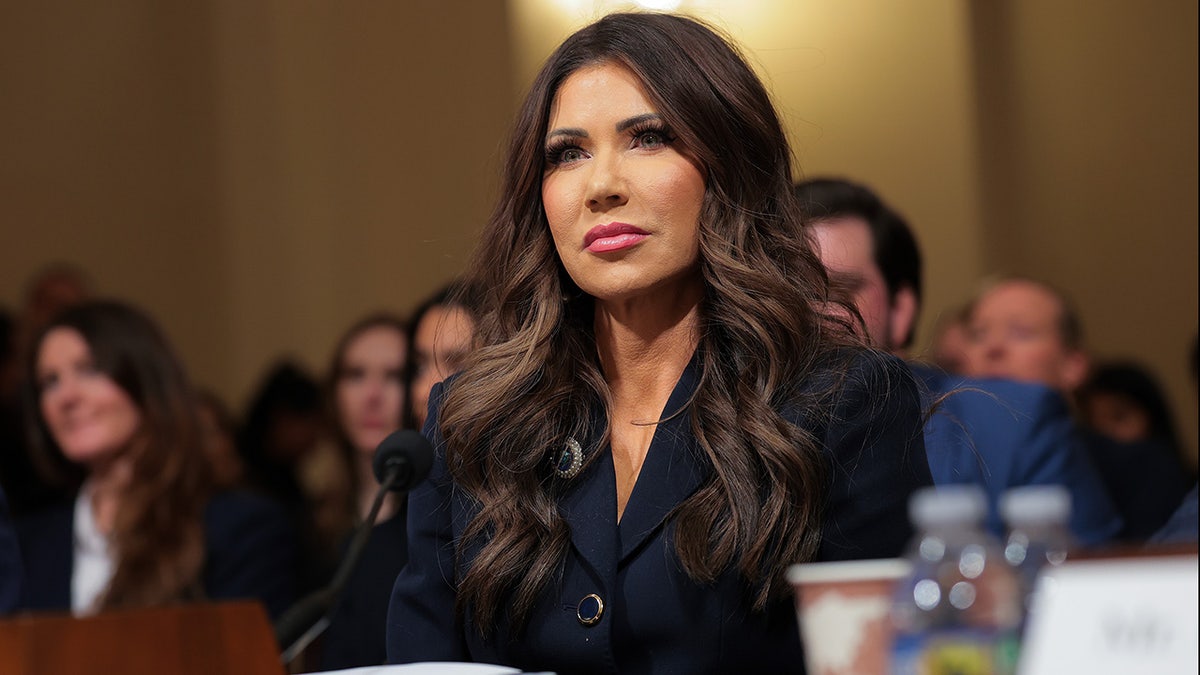
Secretary of Homeland Security Kristi Noem testifies before the House Committee on Homeland Security in the Cannon House Office Building in Washington, Dec. 11, 2025. Image Credit: Anna Moneymaker/Getty Images
Homeland Security Secretary Kristi Noem found herself at the center of a fiery Capitol Hill hearing Thursday as members of Congress challenged her leadership of the Department of Homeland Security (DHS) and the Trump administration’s hardline immigration and deportation policies. The exchange, which quickly went viral, focused on allegations that DHS has deported military veterans and mishandled immigrant rights, sparking a political and legal controversy with national implications.
Contentious DHS Hearing Puts Noem on the Defensive
Noem appeared before the House Committee on Homeland Security for a hearing titled “Worldwide Threats to the Homeland.” While the meeting was billed as a review of global national security challenges, the bulk of the questioning zeroed in on immigration enforcement and deportation practices under her oversight. Democrats accused the DHS of resisting oversight and evading accountability for policies they say have harmed vulnerable communities.
During the hearing, Republican members expressed support for Noem and praised the administration’s immigration strategies, but Democratic lawmakers pressed her on specific cases, including the highly emotional testimony involving military veterans.
READ ALSO
Did Trump really pardon Tina Peters? What it means for her state prison sentence
Veteran Deportation Exchange Sparks Outrage
In one of the most dramatic moments, Rep. Seth Magaziner (D-R.I.) confronted Noem about whether DHS had deported any U.S. military veterans. Noem initially insisted that the department had not deported veterans.
Magaziner then displayed a live Zoom feed of Sae Joon Park, a Purple Heart-decorated U.S. Army veteran, who testified from South Korea. Park said he was shot twice during service in Panama in 1989 and later struggled with PTSD and addiction. After some minor drug offenses decades prior, he was issued a deportation order and, after an appeal was dismissed, was forced to self-deport in 2011.
Park’s case drew emotional testimony from Magaziner, who urged Noem to thank him for his service. Noem replied, “I’m grateful for every single person that has served our country and follows our laws,” but did not immediately commit to specific policy changes. A DHS spokesperson later noted Park’s criminal history as the basis for his deportation order.
Another Veteran Case Raises Questions
Magaziner also highlighted the situation of Jim Brown, another U.S. military veteran from Missouri, whose wife, a long-time U.S. resident, faced deportation over minor offenses from years ago. Critics say such cases illustrate broader issues with the Biden administration’s and DHS’s prioritization of deportation, particularly where families and veterans are affected.
Noem pledged to review the cases, but offered no immediate remedies, leaving many Democrats unsatisfied and pushing for deeper scrutiny.
Wider Debate on Immigration Enforcement and Deportation Policy
The hearing also brought up the Trump administration’s controversial mass deportation efforts, including the reported removal of over 130 Venezuelan men to a Salvadoran prison under the Alien Enemies Act, a move that ignited sharp criticism from lawmakers on both sides.
Rep. Bennie G. Thompson (D-Miss.), the committee’s top Democrat, accused Noem of presiding over an agency marked by “corruption, lies, and lawlessness,” and called for her resignation. Republican lawmakers, meanwhile, defended her and the administration’s enforcement priorities, framing them as necessary for national security and rule of law.
Noem abruptly departed the hearing before its completion, citing a Federal Emergency Management Agency (FEMA) review council meeting, which drew further attention from both supporters and critics.
Why the Hearing Matters
This hearing is a key moment in the ongoing national debate over U.S. immigration policy, enforcement priorities, and the treatment of immigrants, particularly those with military service or long-standing ties to the country. It underscores:
- The political tension between immigration enforcement and humanitarian concerns
- Public scrutiny over how DHS prioritizes deportations
- The evolving legal and policy framework governing veterans and immigrant protections
Observers say the exchange signals increased legislative oversight of immigration enforcement and could influence upcoming immigration reform debates in Congress.
FAQ
1. What happened to Kristi Noem at the DHS hearing?
Kristi Noem faced intense questioning from Democratic lawmakers about the Department of Homeland Security’s immigration and deportation policies, including specific cases involving U.S. military veterans.
2. Was Kristi Noem accused of wrongdoing?
Democrats accused Noem of resisting oversight, being dismissive of troubling deportation cases, and failing to fully justify DHS policies, though no formal charges were discussed.
3. Did DHS deport any military veterans?
Noem initially stated that DHS had not deported veterans, but testimony from decorated veteran Sae Joon Park and other cases raised questions about that claim.
4. Who is Sae Joon Park and why was he deported?
Park is a Purple Heart-decorated U.S. Army veteran who was ordered removed by an immigration judge after minor drug offenses. He self-deported to South Korea in 2011 after his appeal was dismissed.
5. What other veteran case was mentioned?
Rep. Magaziner also cited Jim Brown, a veteran whose wife, a longtime U.S. resident, faced deportation over minor offenses.
6. Can a U.S. president stop state deportations?
Federal authority over immigration enforcement does not supersede legal deportation orders issued through the immigration court system. Presidential influence is limited in these individual legal cases.
7. Why are lawmakers concerned about deportations?
Lawmakers argue deporting long-term residents or veterans harms families and undermines trust in the immigration system, while supporters of enforcement say laws must be upheld.
8. What is the Alien Enemies Act?
The Alien Enemies Act is a rarely used statute that allows the U.S. to detain or remove non-citizens of enemy nations during wartime; critics have objected to its use in modern deportations.
9. Did Noem offer solutions during the hearing?
Noem committed to reviewing individual cases but did not offer immediate policy changes, prompting criticism from Democrats.
10. What comes next after the hearing?
The hearing may lead to increased congressional oversight of DHS immigration enforcement and fuel broader immigration policy debates in 2026.