

King Charles makes historic Buckingham Palace decision, ending a 189-year royal tradition

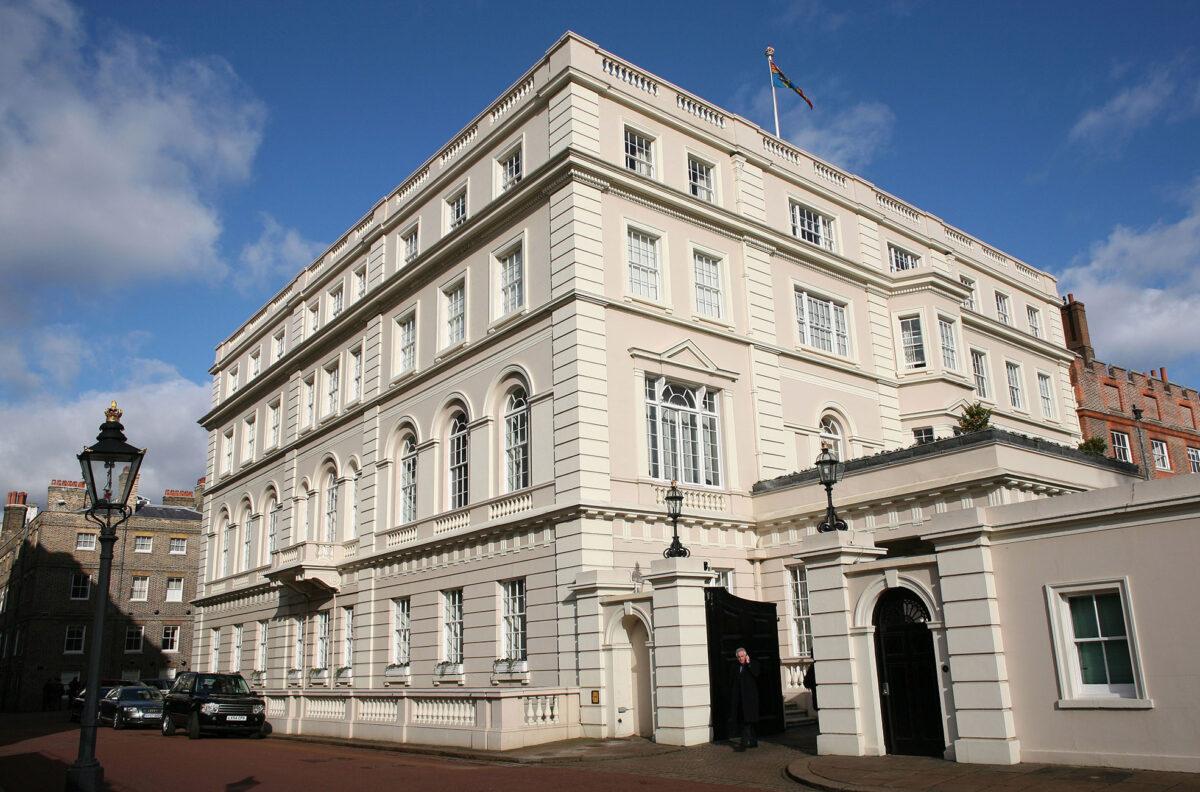
King Charles confirms Clarence House as permanent royal residence. Image Source: Homes and Gardens
King Charles III has made one of the most significant decisions of his reign by confirming that he and Queen Camilla will not move into Buckingham Palace once its decade-long refurbishment is completed. Instead, the royal couple will continue living at nearby Clarence House, ending a residential tradition that has defined the British monarchy since Queen Victoria first occupied Buckingham Palace in 1837.
The announcement, revealed alongside the latest Royal Household financial accounts, signals a major shift in how Britain’s most famous royal residence will be used. While Buckingham Palace will remain the ceremonial and administrative headquarters of the monarchy, it will no longer serve as the King’s primary London home.
The decision is expected to reshape public access to the palace, modernize royal operations, and could influence how future monarchs—including Prince William—approach royal residences.
King Charles Confirms Clarence House Will Remain His Official Home
Buckingham Palace officials confirmed that King Charles and Queen Camilla will continue residing at Clarence House, where Charles has lived since 2003 and where the couple has lived together since marrying in 2005.
Although Buckingham Palace has long been regarded as the official London residence of Britain’s monarch, royal officials said the King considers Clarence House better suited to his personal and working life.
The decision also reflects practical considerations. Both the King and Queen are now in their late 70s, and palace officials said they did not wish to relocate themselves and their staff after the extensive renovation project concludes in March 2027.
Despite remaining at Clarence House, the King will continue carrying out official engagements from Buckingham Palace, including state banquets, diplomatic receptions, investitures, audiences with the Prime Minister, and meetings with newly appointed ambassadors.
Why Buckingham Palace Will No Longer Be the King’s Home
Several factors influenced the King’s decision.
Royal officials explained that Buckingham Palace functions primarily as the working headquarters of the monarchy rather than a comfortable private residence.
Security also played a major role. If the King permanently occupied Buckingham Palace, large areas would need to remain closed for security reasons, limiting public access to one of Britain’s most visited historic landmarks.
Keeping Clarence House as the King’s residence allows Buckingham Palace to operate more efficiently while welcoming significantly more visitors throughout the year.
Officials said His Majesty maintains “huge affection” for Buckingham Palace and fully recognizes its importance in British public life, adding that it will remain “a buzzing hive of royal activity.”
Buckingham Palace Renovation Nears Completion After £369 Million Project
The King’s announcement comes as the £369 million Buckingham Palace Reservicing Programme approaches completion after ten years of construction.
The extensive refurbishment has involved replacing infrastructure that had remained largely unchanged for over six decades, including:
- Ageing electrical wiring
- Lead water pipes
- Boilers
- Heating systems
- Plumbing
- Fire protection systems
- Cybersecurity infrastructure
Officials have repeatedly warned that modernization was essential to reduce the risks of fire, flooding, and major structural failures.
Funding for the renovation has been provided through a temporary increase in the Sovereign Grant, the public funding mechanism supporting the monarchy’s official duties.
With the refurbishment ending, overall Sovereign Grant funding is expected to decrease in future financial years.
READ ALSO
Buckingham Palace to Welcome More Visitors
One of the biggest consequences of the King’s decision is expanded public access.
Currently, Buckingham Palace’s famous State Rooms are generally open during the summer months and selected dates throughout the year.
Without a resident monarch occupying the private apartments, officials believe larger sections of the palace can remain accessible for longer periods, increasing visitor numbers while generating additional income through tourism.
Revenue from visitor admissions currently supports the Royal Collection Trust, which cares for one of the world’s largest collections of royal art and historic treasures.
The palace is expected to continue serving as Britain’s premier venue for royal ceremonies while becoming a more accessible cultural landmark.
Critics Question the Decision After Taxpayer-Funded Renovation
The announcement has sparked criticism from some campaigners and politicians.
Critics argue that taxpayers have contributed hundreds of millions of pounds toward renovating Buckingham Palace, making the King’s decision not to live there difficult to justify.
Some have suggested that if the palace is no longer intended as a permanent royal residence, it should remain fully open to visitors throughout the year, with ticket revenues returning directly to the UK Treasury.
Republic, the anti-monarchy campaign group, also questioned whether the extensive renovation should continue benefiting a building that will no longer function as the monarch’s primary home.
Supporters of the King, however, argue that the decision reflects a more modern approach to monarchy by separating official functions from private family life while maximizing public access.
Could Prince William Continue the New Royal Tradition?
The King’s decision could have implications well beyond his own reign.
Reports suggest that Prince William is also believed to favour remaining outside Buckingham Palace when he eventually becomes king.
If that happens, Buckingham Palace could permanently evolve into a ceremonial and administrative headquarters rather than a private royal residence.
Such a shift would represent the most significant transformation in royal living arrangements since Queen Victoria established Buckingham Palace as the monarch’s official London home nearly 190 years ago.
Rather than serving as both home and workplace, the palace would increasingly resemble a national institution dedicated to state occasions, diplomacy, tourism and constitutional functions.
A New Era for the British Monarchy
King Charles’ decision reflects his broader vision of a streamlined and modern monarchy.
By choosing Clarence House while preserving Buckingham Palace as the ceremonial heart of royal life, the King appears determined to balance tradition with practicality.
The palace will continue hosting state banquets, investitures, diplomatic events and major national celebrations, ensuring it remains the symbolic centre of Britain’s constitutional monarchy.
At the same time, increased visitor access could strengthen Buckingham Palace’s role as one of the UK’s most important historic attractions, allowing more people to experience the landmark that has stood at the heart of British royal history for generations.
Whether future monarchs follow the King’s example remains uncertain, but the decision already marks one of the most significant changes to royal life since the beginning of Queen Victoria’s reign.
Frequently Asked Questions
Why is King Charles not moving into Buckingham Palace?
King Charles has decided to remain at Clarence House because it is already his established home and allows Buckingham Palace to function primarily as the monarchy’s ceremonial and administrative headquarters while increasing public access.
Where does King Charles live now?
King Charles and Queen Camilla live at Clarence House, located beside St James’s Palace in London. Charles has lived there since 2003.
Will Buckingham Palace still be used?
Yes. Buckingham Palace will remain the official headquarters of the British monarchy and continue hosting state banquets, diplomatic receptions, investitures, audiences with government leaders and other official royal events.
How much did the Buckingham Palace renovation cost?
The refurbishment is estimated to cost approximately £369 million and includes replacing ageing electrical systems, plumbing, boilers, heating systems and improving cybersecurity.
When will Buckingham Palace renovations be completed?
The ten-year refurbishment programme is expected to be completed in March 2027.
Can the public visit Buckingham Palace?
Yes. Buckingham Palace is currently open during the summer and selected dates throughout the year. Officials expect public access to increase because the King will not permanently live there.
Will King Charles ever stay at Buckingham Palace?
Yes. Palace officials confirmed that the King will have private rooms available for use during working days or if residential accommodation is needed in the future, although Clarence House will remain his primary residence.
Why is Buckingham Palace important?
Buckingham Palace has served as the official London residence of British monarchs since Queen Victoria moved there in 1837. It remains the symbolic and ceremonial centre of the British monarchy.
Could Prince William also avoid living in Buckingham Palace?
There has been speculation that Prince William may also choose not to make Buckingham Palace his permanent residence if he becomes king, although no official decision has been announced.
Will Buckingham Palace become a museum?
No. Buckingham Palace will continue functioning as the ceremonial and operational headquarters of the monarchy while expanding opportunities for public visits and cultural exhibitions.