

Kano Deputy Governor Aminu Gwarzo resigns amid impeachment storm, says ‘I did nothing wrong’

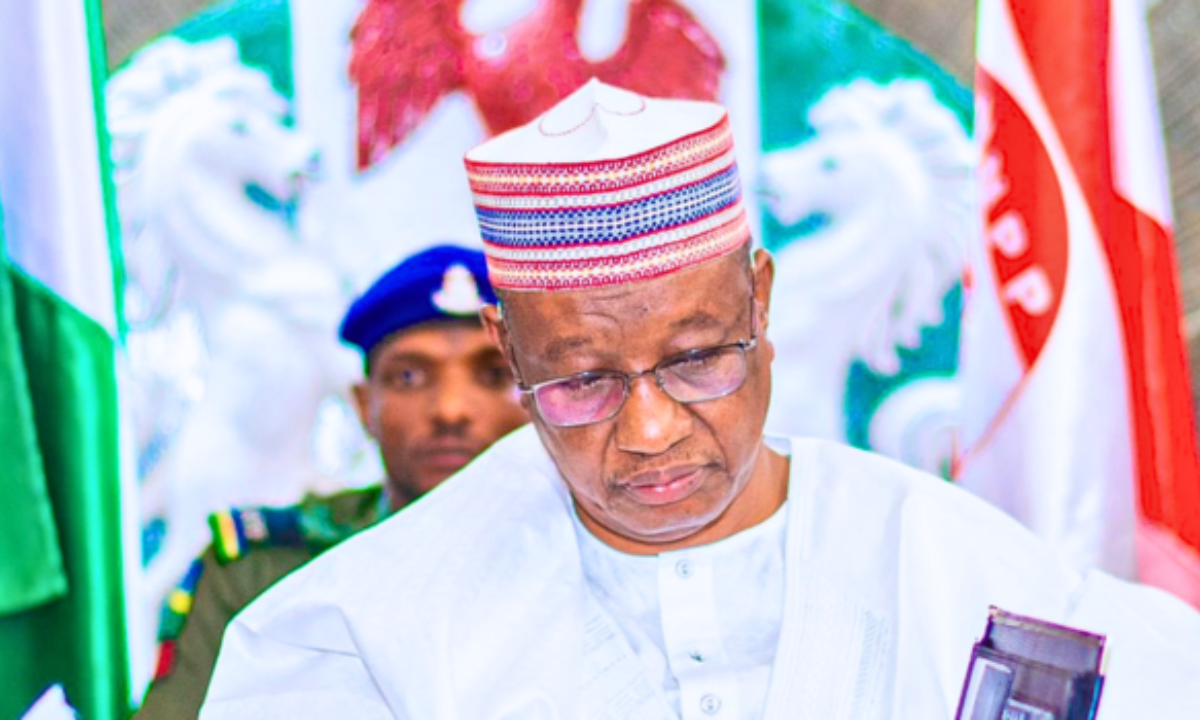
Aminu Gwarzo resigns as Kano deputy governor
Kano State Deputy Governor Aminu Abdussalam Gwarzo has resigned from office, ending days of intense political speculation and deepening the crisis within the Kano State government. Gwarzo’s resignation, which took effect on March 27, 2026, comes after the Kano State House of Assembly began impeachment proceedings against him over allegations including gross misconduct, abuse of office, breach of public trust, and financial malfeasance. In a strongly worded resignation letter, however, Gwarzo insisted that his decision was voluntary, made in the spirit of responsibility and statesmanship, and “should not be construed as an admission of any wrongdoing.”
The resignation has quickly become one of Nigeria’s most searched political stories, with many asking: Why did the Kano deputy governor resign? Was Aminu Gwarzo impeached? What happens next in Kano politics? The answers point to a mix of legal, political, and party realignment tensions that have been building for weeks in one of Nigeria’s most politically strategic states.
Why Did Kano Deputy Governor Aminu Gwarzo Resign?
According to Gwarzo’s resignation letter addressed to Governor Abba Yusuf, the deputy governor said he stepped down after “careful consultations and deep reflection,” citing the need to preserve peace, stability, and the overall interest of the people of Kano State. He said the decision was taken to allow the government to move forward “without undue distractions.”
In the letter, Gwarzo specifically invoked Section 306(2) of the 1999 Constitution (as amended), which governs the resignation of certain public office holders. He emphasized that the resignation was voluntary and made in good faith, framing it as a move to protect institutional integrity, democratic values, and public service.
This language is significant because it directly addresses growing public speculation that his exit was effectively a forced response to mounting impeachment pressure. By publicly distancing himself from any implication of guilt, Gwarzo appears to be protecting both his political reputation and his possible future role in Kano’s fast-changing political landscape.
Kano Assembly Began Impeachment Proceedings Before Resignation
Before the resignation, the Kano State House of Assembly had already commenced impeachment proceedings against Gwarzo earlier in March. According to reports, the process was triggered by allegations of gross misconduct, abuse of office, breach of public trust, and financial malfeasance.
During plenary on March 5, Lawan Dala, the majority leader of the assembly, reportedly read the impeachment notice and alleged that while serving as commissioner for local government, Gwarzo “wilfully participated in the diversion of funds allocated to local government administrations for purposes other than those for which they were appropriated.”
Vanguard also reported that the assembly had issued an impeachment notice over alleged misappropriation and gave him a two-week ultimatum to respond, with the deadline expiring around the Eid-el-Fitr holiday period.
These allegations remain politically explosive, but as of the current reports, the resignation means the impeachment process may no longer proceed in the same form. Importantly, no final legislative verdict or court finding has been cited in the reports provided, so the claims remain allegations rather than proven findings.
Gwarzo Says Resignation Is Not an Admission of Guilt
One of the most important parts of the story—and one of the strongest SEO drivers—is Gwarzo’s explicit denial of wrongdoing.
In his statement, he said: “This resignation is made voluntarily and in good faith. It should not be construed as an admission of any wrongdoing.” He described the move instead as a conscious decision taken in the interest of institutional integrity, democratic values, and public service.
That message was echoed in a separate Vanguard follow-up and in a statement attributed to the Kwankwasiyya Movement, which reportedly said the resignation “does not in any way constitute an admission” of the allegations and maintained that Gwarzo remained innocent. The group framed the decision as an act of statesmanship, political maturity, and a commitment to peace.
For search intent, this is key: people looking up “Did Aminu Gwarzo admit wrongdoing?” or “Was Gwarzo guilty?” should be told clearly and accurately that he denied wrongdoing, and the public reports cited here do not establish any final legal determination against him.
READ ALSO
El-Rufai’s detention: Full breakdown of charges against ex-Kaduna governor
The Political Context: Defections, Party Tension and Kano’s Power Struggle
The resignation cannot be fully understood without the wider political crisis in Kano. Earlier reports indicated there were tensions surrounding party loyalty and defections, especially after Governor Abba Yusuf, members of his cabinet, and state lawmakers reportedly defected from the NNPP to the APC in January.
In February, the Kano legislature had denied reports that it planned to impeach Gwarzo because of his alleged refusal to join the All Progressives Congress (APC). But that denial did little to stop speculation that the political dispute was about more than just administrative allegations.
A separate TheCable opinion piece published days before the resignation described the relationship between Governor Abba Yusuf and Gwarzo as deeply strained, even suggesting that a ministry restructuring was widely seen as part of an effort to weaken the deputy governor’s influence. While that piece is commentary rather than straight news, it reflects the broader perception of a growing internal rift.
This political backdrop matters because it means the resignation is not just an isolated constitutional event—it may be a major turning point in Kano’s 2027 political calculations.
What Happens Next After the Kano Deputy Governor’s Resignation?
With Gwarzo’s resignation now effective, attention shifts to what Governor Abba Yusuf and the Kano political establishment do next. Under Nigerian constitutional practice, a replacement deputy governor would typically require formal nomination and legislative confirmation, though the specific next steps were not detailed in the reports provided.
What is already clear, however, is that Gwarzo’s exit could reshape Kano’s party alignments, especially as speculation grows over his next political move. One roundup cited by TheCable noted reports that Rabiu Kwankwaso and the immediate past Kano deputy governor were being linked to possible future political realignments ahead of the 2027 general elections, although that was reported as part of newspaper headlines and not as a confirmed move.
Vanguard’s report on the Kwankwasiyya Movement also said Gwarzo intends to dedicate more time to strengthening the movement’s structures and engaging in political realignments ahead of 2027. That suggests his resignation may be the end of one office, but not the end of his relevance in Kano politics.
Why This Story Matters for Kano and Nigerian Politics
The resignation of a sitting deputy governor is never routine, especially in a state as politically influential as Kano. This development touches on several major themes in Nigerian politics: intra-party conflict, defection politics, impeachment threats, executive-legislative pressure, and strategic positioning ahead of 2027.
For the public, the biggest takeaways are straightforward:
- Aminu Gwarzo has resigned as Kano deputy governor
- His resignation took effect March 27, 2026
- He says the move was voluntary
- He insists it is not an admission of wrongdoing
- The resignation comes amid impeachment proceedings
- Kano’s political power map could shift significantly in the coming months.
FAQ
1. Why did Kano Deputy Governor Aminu Gwarzo resign?
Aminu Gwarzo said he resigned after “careful consultations and deep reflection,” stating that the decision was taken in the interest of peace, stability, and the overall interest of Kano State. He said he wanted the government to move forward without distractions.
2. Did Aminu Gwarzo say he was guilty?
No. Gwarzo clearly stated that his resignation should not be interpreted as an admission of wrongdoing. He described it as a voluntary act of responsibility and statesmanship.
3. Was Kano Deputy Governor Aminu Gwarzo impeached?
No final impeachment was reported in the sources provided. Instead, impeachment proceedings had begun, but Gwarzo resigned before the process concluded.
4. What were the allegations against Aminu Gwarzo?
Reports said the Kano State House of Assembly initiated impeachment proceedings over allegations of gross misconduct, abuse of office, breach of public trust, and financial malfeasance. One specific claim was that he allegedly participated in the diversion of local government funds while serving as commissioner for local government. These remain allegations in the cited reports.
5. When did Aminu Gwarzo resign?
Gwarzo said his resignation took effect on March 27, 2026.
6. What law did Aminu Gwarzo cite in his resignation?
He cited Section 306(2) of the Constitution of the Federal Republic of Nigeria, 1999 (as amended) in his resignation letter.
7. Who confirmed the resignation of the Kano deputy governor?
According to TheCable, Ibrahim Shuaibu, Gwarzo’s chief press secretary, confirmed the resignation on Friday evening.
8. Who is the governor of Kano State?
The governor of Kano State is Abba Yusuf. Gwarzo’s resignation letter was addressed to him.
9. Is the Kano deputy governor’s resignation linked to APC and NNPP politics?
While the official reason given was statesmanship and stability, reports show the resignation came amid wider NNPP-APC political tension, especially after Governor Abba Yusuf and several allies reportedly defected to the APC in January. This has fueled speculation that the crisis had a strong political dimension.
10. What happens after a deputy governor resigns in Nigeria?
Typically, after a deputy governor resigns, the governor nominates a replacement subject to legislative processes and confirmation. However, the specific replacement process in Kano was not yet detailed in the reports provided.
11. What is the Kwankwasiyya Movement’s position on Gwarzo’s resignation?
A Vanguard report said the Kwankwasiyya Movement described the resignation as being in the overall interest of the people and governance stability, while also insisting it should not be seen as an admission of guilt.
12. Could this affect Kano’s 2027 elections?
Yes, potentially. Reports suggest Gwarzo may focus more on political organizing and realignments ahead of the 2027 general elections, which could make this resignation a major early signal in Kano’s future power struggle.