

Why did a Federal Judge just stop Trump from freezing $10 Billion in Social Services funding?

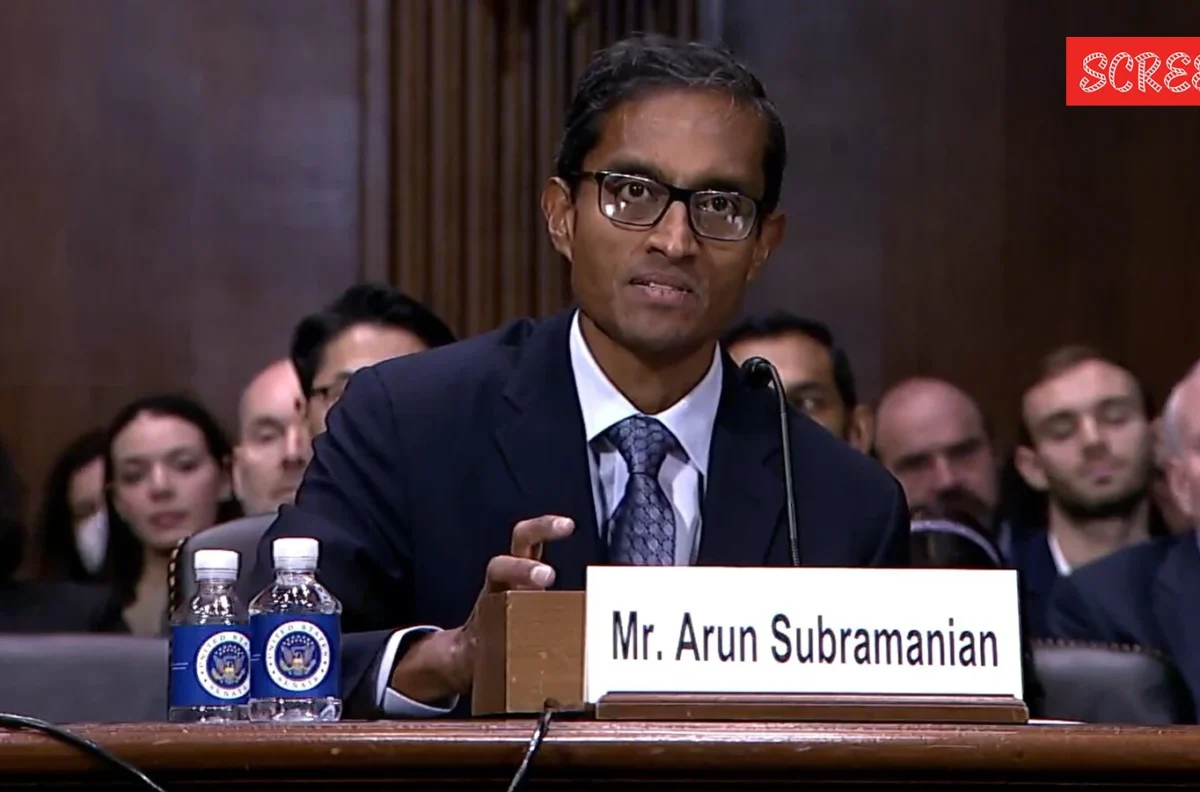
Federal judge, Arun Subramanian halts Trump’s $10B social services freeze. Image Source: Reuters
A federal judge has temporarily blocked the Trump administration from freezing $10 billion in social services funding to five Democratic-led states, halting a contentious move that had sparked nationwide debate. The decision affects California, New York, Minnesota, Illinois, and Colorado, and comes amid allegations by the Department of Health and Human Services (HHS) of widespread fraud in state-run social programs.
Judge Arun Subramanian Halts Funding Freeze
U.S. District Judge Arun Subramanian, appointed by the Biden administration, granted a temporary restraining order on Friday, preventing HHS from cutting funds while the court evaluates requests for a longer-term injunction. The order maintains the status quo for at least 14 days, ensuring programs continue uninterrupted for vulnerable families.
“This is a critical victory for families whose lives have been upended by this administration’s actions,” said New York Attorney General Letitia James, who led the lawsuit on behalf of the states.
Trump Administration Cites Fraud Concerns
Earlier this week, HHS announced plans to freeze funding for programs including the Temporary Assistance for Needy Families (TANF), Child Care Development Fund, and Social Services Block Grant, totaling more than $10 billion. Officials argued the freeze was necessary to prevent billions of dollars from being misused.
HHS Secretary Robert F. Kennedy Jr. defended the move, saying, “The best way to help poor families is to end the fraud so that the money available reaches those who truly need it.” He insisted the freeze was not politically motivated, but aimed at ensuring lawful use of taxpayer funds.
States Argue Freeze Is Unconstitutional
The impacted states countered that the Trump administration’s freeze was “extraordinary and cruel” and violated the Constitution. Court filings claimed that the government cannot cut off funding based on allegations of fraud without due process, putting essential services for children and low-income families at risk.
Illinois Attorney General Kwame Raoul called the funding freeze a “cruel and illegal attempt to play politics with the lives of children and families in need.” The lawsuit argues the freeze is a politically motivated attack on Democratic-led states.
READ ALSO
Why is Judge James Boasberg at the center of a high-stakes court clash with Trump’s DOJ?
National Implications and Reactions
The dispute has fueled debate over federal authority and the oversight of social services. Critics of the Trump administration warn that targeting Democratic states could set a dangerous precedent for politicizing public welfare programs. Supporters argue strict oversight is necessary to prevent fraud.
The court’s decision will remain in effect while legal arguments continue, with both sides expected to make their case over the next two weeks.
“This ruling ensures families relying on social services are not caught in the crossfire of politics,” said Minnesota Governor officials, echoing concerns of other states.
The Trump administration has yet to respond to the restraining order publicly, and HHS did not immediately comment.
FAQ:
Q1: Why did the Trump administration freeze $10 billion in social services funding?
A1: The Trump administration cited alleged fraud in state-run social programs in Democratic states, including TANF, Child Care Development Fund, and Social Services Block Grants, as justification for the freeze.
Q2: Which states are affected by the funding freeze?
A2: California, New York, Minnesota, Illinois, and Colorado are the five states impacted by the Trump administration’s action.
Q3: Who is Judge Arun Subramanian?
A3: Judge Arun Subramanian is a U.S. District Judge appointed by President Biden. He granted a temporary restraining order preventing the Trump administration from freezing the funding.
Q4: How long will the restraining order last?
A4: The temporary restraining order is set for 14 days while the court reviews the case for a possible longer-term injunction.
Q5: Are the funding cuts legal?
A5: The legality is disputed. The states argue the freeze is unconstitutional and politically motivated, while HHS claims it is necessary to prevent fraud in federal programs.
Q6: What programs are at risk due to the freeze?
A6: The funding freeze targets the Temporary Assistance for Needy Families (TANF), Child Care Development Fund, and Social Services Block Grants, programs crucial for low-income families and children.
Q7: What are the states saying about the freeze?
A7: State officials argue the freeze is unfair and could harm vulnerable families, claiming the Trump administration is using fraud allegations as a pretext to target Democratic states politically.
Q8: Has the Trump administration responded to the judge’s ruling?
A8: As of now, the Trump administration and HHS have not publicly commented on the restraining order blocking the funding freeze.