

Who was John Robertson? The ‘Picasso of Football’ and Nottingham Forest Legend who Conquered Europe Twice

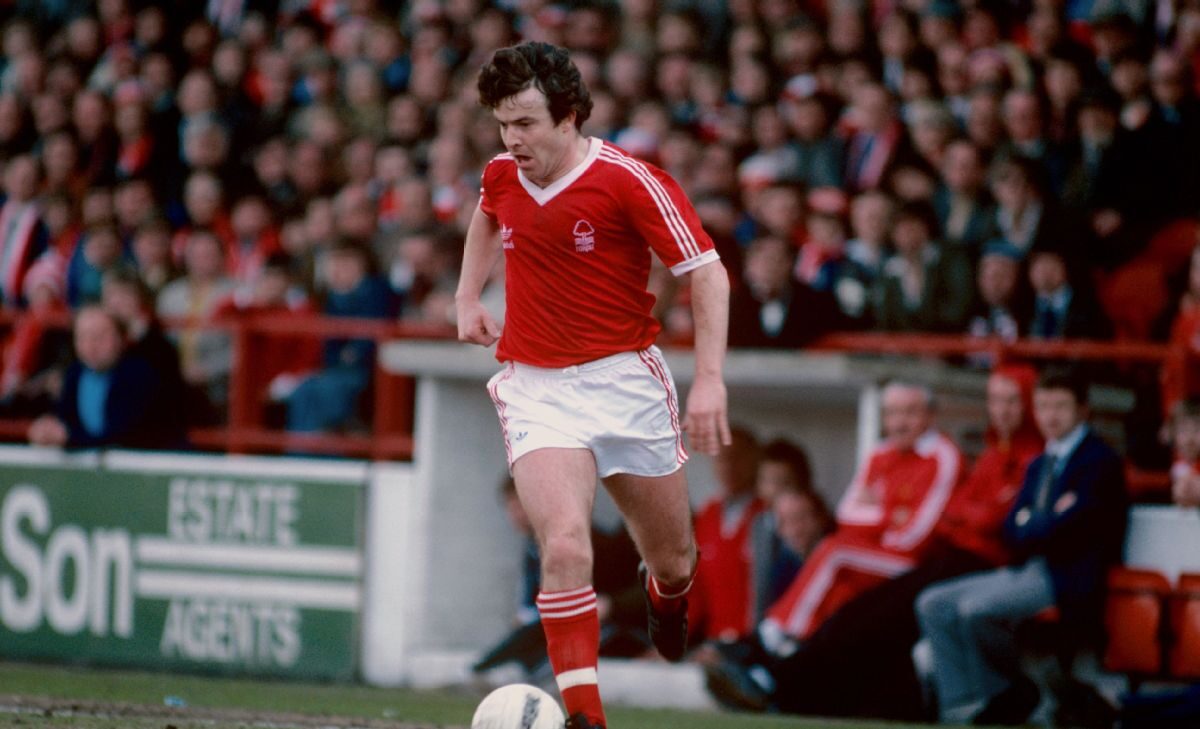
John Robertson won two European titles at Nottingham Forest. Image Source: ESPN
John Robertson, the iconic Nottingham Forest and Scotland winger once described by Brian Clough as “the Picasso of our game,” has died aged 72. Revered as one of the most influential figures in British football history, Robertson’s legacy is inseparable from Forest’s astonishing rise under Clough, a journey that culminated in back-to-back European Cup triumphs and cemented his place among football’s greats.
Robertson passed away peacefully on Christmas morning, surrounded by his family, following a long illness. Tributes have poured in from clubs, former teammates, players he coached, and fans across the football world.
A Forest Icon at the Heart of European Glory
Robertson was not merely a squad member in Nottingham Forest’s golden era, he was decisive. In 1979, he delivered the cross that allowed Trevor Francis to score the winning goal against Malmö in Munich, securing Forest’s first European Cup. A year later, he went one better, scoring the winning goal himself against Hamburg at the Santiago Bernabéu to retain the trophy.
Those moments alone place Robertson in elite company, but his overall contribution was even greater. He made over 500 appearances for Forest, scoring 95 goals, and was instrumental in the club’s First Division title in 1978, two League Cups, the Uefa Super Cup, and multiple domestic honours.
From Struggles to Stardom Under Brian Clough
Born in Uddingston, Lanarkshire, in January 1953, Robertson joined Forest in 1970 after playing for Drumchapel Amateurs. His early career was marked by inconsistency and a lack of discipline, issues Clough and assistant Peter Taylor confronted head-on in 1976.
That intervention transformed Robertson’s career. Though never a conventional athlete, he was two-footed, inventive, fearless, and relentless. Clough, often brutal in his honesty, mocked his appearance yet trusted him completely. On the eve of the 1980 European Cup final, Clough famously dismissed Hamburg’s star full-back by saying Forest had “a little fat guy who will turn him inside out.” Robertson did exactly that.
READ ALSO
A Scotland Star on the International Stage
Robertson earned 28 caps for Scotland, scoring one of his most celebrated goals in a 1981 victory over England at Wembley. He also featured in two World Cup finals, netting against New Zealand in 1982 and representing Scotland with distinction during a competitive era for the national side.
His influence extended beyond goals. Teammates likened his style to a two-footed Ryan Giggs, blending vision, timing, and precision crossing with big-game temperament.
Coaching Success and Quiet Leadership
After retiring, Robertson transitioned seamlessly into coaching, enjoying significant success as assistant manager to Martin O’Neill. Their partnership flourished at Wycombe Wanderers, Leicester City, Celtic, and Aston Villa, delivering promotions, league titles, domestic cups, and a Uefa Cup final appearance with Celtic.
Former players frequently recalled Robertson’s empathy and humility, with Stan Collymore describing him as one of the kindest figures he encountered in football.
Tributes Pour In After His Passing
Nottingham Forest described Robertson as “our greatest,” praising his humility, devotion, and unparalleled contribution to the club. His family remembered him not just as a footballing hero, but as a loving husband, father, and family man, reunited in death with his daughter Jessica.
In 2015, fans voted him Nottingham Forest’s greatest-ever player, a fitting honour for a man whose influence shaped the club’s identity forever.
Why John Robertson’s Legacy Endures
In an era increasingly driven by athleticism and data, Robertson remains proof that football intelligence, creativity, and courage can define greatness. His story, from overlooked winger to European Cup match-winner, embodies the romance of football’s past and the enduring power of individual brilliance within a team.
FAQ
Who was John Robertson?
John Robertson was a legendary winger for Nottingham Forest and Scotland, central to Forest’s back-to-back European Cup wins in 1979 and 1980.
Why was John Robertson called the ‘Picasso of football’?
Manager Brian Clough coined the phrase to describe Robertson’s artistry, creativity, and precision on the pitch.
How old was John Robertson when he died?
John Robertson died aged 72 on Christmas morning.
What were John Robertson’s greatest achievements?
He won two European Cups, a First Division title, multiple domestic trophies with Nottingham Forest, and enjoyed a decorated coaching career with Celtic and Leicester City.
Did John Robertson score in European Cup finals?
Yes. He assisted the winner in 1979 and scored the winning goal himself in 1980.
How many times did John Robertson play for Scotland?
He earned 28 international caps, scoring notable goals against England and at the 1982 World Cup.
What clubs did John Robertson coach after retiring?
He worked alongside Martin O’Neill at Wycombe, Leicester City, Celtic, Aston Villa, Norwich City, and others.