

Jim Ovia steps down as Zenith Bank Chairman: What you need to know

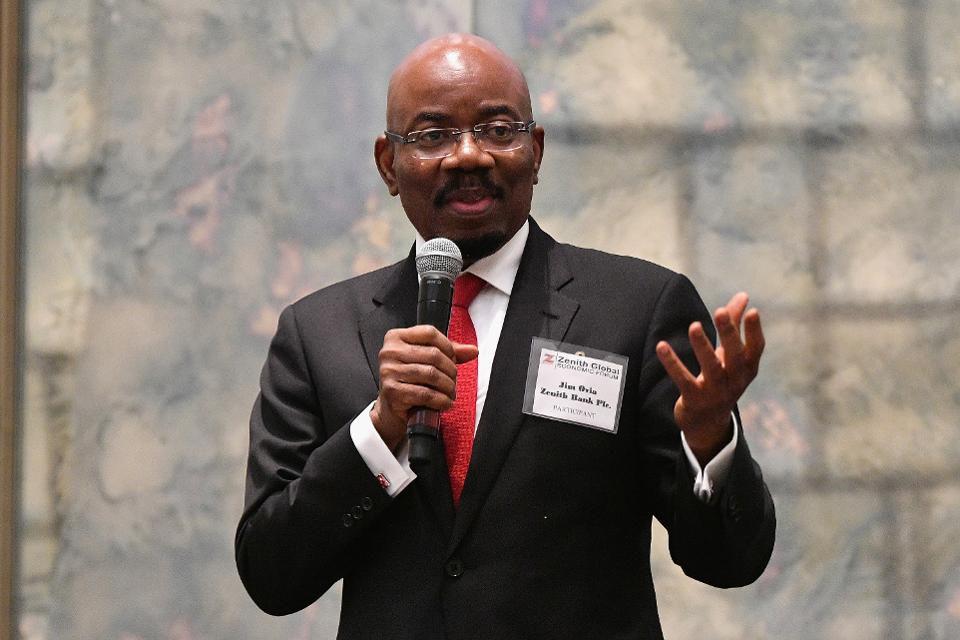
Jim ovia
In a significant development within Nigeria’s banking sector, Jim Ovia, founder and long-serving chairman of Zenith Bank Plc, has officially stepped down from his role after completing the maximum tenure allowed under regulatory guidelines.
The transition marks the end of an era for one of Nigeria’s most influential banking figures, while ushering in a new leadership phase with the appointment of Mustafa Bello as Group Chairman.
Why Jim Ovia Retired as Zenith Bank Chairman
According to official statements from Zenith Bank Plc, Ovia’s retirement follows strict compliance with corporate governance rules set by the Central Bank of Nigeria (CBN).
The guidelines mandate a maximum tenure of 12 years for non-executive directors and chairpersons in Nigerian financial institutions.
Ovia, who served as Group Chairman since July 2014, completed this tenure, prompting a mandatory and structured exit rather than a voluntary departure.
The bank emphasised that the move reflects its commitment to transparency, accountability, and regulatory compliance.
A Legacy of Visionary Leadership and Growth
During his tenure, Jim Ovia was credited with:
- Providing strong strategic direction
- Enhancing corporate governance practices
- Strengthening stakeholder value and investor confidence
Zenith Bank described his leadership as “visionary and transformative,” noting that his contributions significantly elevated the institution’s global reputation and market position.
Ovia’s journey with the bank spans decades. He founded Zenith Bank in 1990 and served as:
- Group Managing Director/CEO (1990–2010)
- Group Chairman (2014–2026)
Under his stewardship, the bank evolved into one of Nigeria’s most profitable and respected financial institutions.
Mustafa Bello Appointed as New Chairman
Following Ovia’s exit, the board approved the appointment of Mustafa Bello as the new Group Chairman.
Bello, who joined the board in 2017, is currently the longest-serving director on the board and brings extensive leadership experience across both public and private sectors.
His professional background includes:
- Former Federal Minister of Commerce (1999–2002)
- Ex-CEO of the Nigerian Investment Promotion Commission
- Experience in engineering, governance, and strategic development
Zenith Bank noted that Bello’s appointment is expected to ensure:
- Leadership continuity
- Stability in governance
- Sustained organizational growth and performance
READ ALSO
EFCC drags ex-Skye Bank Chairman Tunde Ayeni to Court over ₦15.6bn fraud allegations
Regulatory Approval and Seamless Transition
The leadership change has received approval from the CBN, reinforcing its compliance with national banking regulations.
The bank highlighted that the transition process was carefully structured to avoid disruption and maintain operational efficiency.
By appointing a long-standing board member, Zenith Bank aims to preserve institutional knowledge while embracing forward-looking strategies.
Impact on Nigeria’s Banking Sector
Ovia’s retirement is being widely viewed as a milestone moment in Nigeria’s financial industry, given his role in shaping modern banking practises.
Industry observers note that:
- The transition underscores the importance of corporate governance reforms
- It reflects a broader shift toward institutional sustainability
- It reinforces investor confidence in regulated leadership changes
The move also signals that even founder-led institutions are not exempt from regulatory discipline, strengthening trust in Nigeria’s financial system.
What Lies Ahead for Zenith Bank
With Mustafa Bello now at the helm, expectations are high for:
- Continued financial performance and innovation
- Expansion into emerging markets and digital banking
- Strengthened corporate governance frameworks
Zenith Bank has reiterated its commitment to maintaining high standards of excellence, positioning itself for long-term growth in a competitive financial landscape.
End of an Era, Beginning of a New Chapter
The retirement of Jim Ovia marks the end of a defining chapter in Nigerian banking history. His legacy as a pioneer and institution builder remains deeply embedded in the success story of Zenith Bank.
As leadership transitions to a new generation, the focus now shifts to sustaining growth, innovation, and governance excellence in an evolving financial ecosystem.
FAQ
Why did Jim Ovia retire from Zenith Bank?
Jim Ovia retired after completing the maximum 12-year tenure allowed for non-executive directors and chairmen under Central Bank of Nigeria regulations.
Who is the new chairman of Zenith Bank?
Mustafa Bello has been appointed as the new Group Chairman of Zenith Bank following Ovia’s retirement.
What role did Jim Ovia play at Zenith Bank?
He is the founder of Zenith Bank and served as CEO from 1990 to 2010 and later as Group Chairman from 2014 to 2026.
What is the Central Bank of Nigeria’s rule on bank chairmen?
The CBN mandates a maximum tenure of 12 years for non-executive directors and chairpersons in banks.
Is Jim Ovia still involved in Zenith Bank?
As of now, he has retired from his role as chairman in compliance with regulatory requirements.
What experience does Mustafa Bello bring?
Bello has served as a federal minister, CEO of NIPC, and has extensive board-level experience in governance and strategy.
Will Zenith Bank’s operations be affected?
The bank has assured stakeholders that the transition will be seamless and operations will remain stable.
What impact does this have on Nigeria’s banking sector?
It reinforces regulatory compliance and highlights the importance of structured leadership transitions in financial institutions.
When was Jim Ovia appointed chairman?
He assumed the role of Group Chairman in July 2014 after previously serving as CEO.
What is Zenith Bank known for?
Zenith Bank is one of Nigeria’s leading financial institutions, known for strong profitability, governance, and innovation.