

Is Spotify Wrapped quietly stealing our musical memories?

As the year winds down and countless “best of” lists start popping up all over the internet, many of us naturally slip into a reflective mood—especially when it comes to music. There’s something rewarding about revisiting the albums, artists, and songs that shaped our emotional landscape over the past twelve months. I’ve always loved scrolling through friends’ personal lists, hunting for hidden gems I may have missed, and assembling a listening queue that takes me on a nostalgic journey. Even when I disagree—loudly—with critics’ selections, I still enjoy the collective ritual of looking back, thinking deeply, and truly engaging with music as a meaningful part of life.
But this year, something about the tradition feels different. As Spotify Wrapped once again floods social media, I can’t help noticing how the entire experience nudges listeners away from thoughtful reflection and toward a slick, corporate-branded summary of their year. Instead of encouraging people to consider the music that actually moved them—albums discovered quietly, songs cherished deeply, records that soundtracked specific moments—Wrapped simplifies everything into a neat data-driven package. It implies that the music you streamed most is automatically your favorite, which anyone who has ever used background playlists or sleep sounds knows isn’t always true.
What worries me is what we lose when we let automated tools perform our personal reflection for us. Spotify’s entire system relies on data-driven interpretations, built around its own commercial logic and incentives. When we accept its recap without question, we allow a faceless algorithm to shape the memory of our year in music—something that should be deeply personal. What playlists aren’t we making because we’re settling for the one Spotify generates? What thoughts, insights, or discoveries never get expressed because the platform gives us the illusion of having “reflected” already?
In a world where convenience culture increasingly shapes our habits—from AI-generated playlists to apps that summarize what we read before we read it—it makes sense that people hit “share” without hesitation. But convenience often dulls our curiosity. Real thought takes time. Reflection requires friction. And those moments of friction—where we search our memories, debate with ourselves, and rediscover forgotten favorites—are part of what keeps our minds sharp and our relationships with art vibrant.
The broader issue extends far beyond Wrapped. Corporate decision-making heavily influences what becomes popular, not just through marketing budgets but through the very metrics platforms use to define success. Wrapped doesn’t just tell you what’s important to the music industry—it tells you what’s important to you, using the same corporate logic. It transforms something intimate into an advertising campaign disguised as nostalgia.
And it’s not happening in isolation. Streaming giants like Apple Music, YouTube, and Amazon have all developed their own year-end recaps, each weaponizing user data for viral marketing. Meanwhile, controversies swirl around Spotify’s business decisions—from investments in military AI to ongoing tension with artists over low payouts and the ethics of generative music. Wrapped arrives in the midst of all this, and yet millions promote it for free every year, turning their listening history into sponsored content.
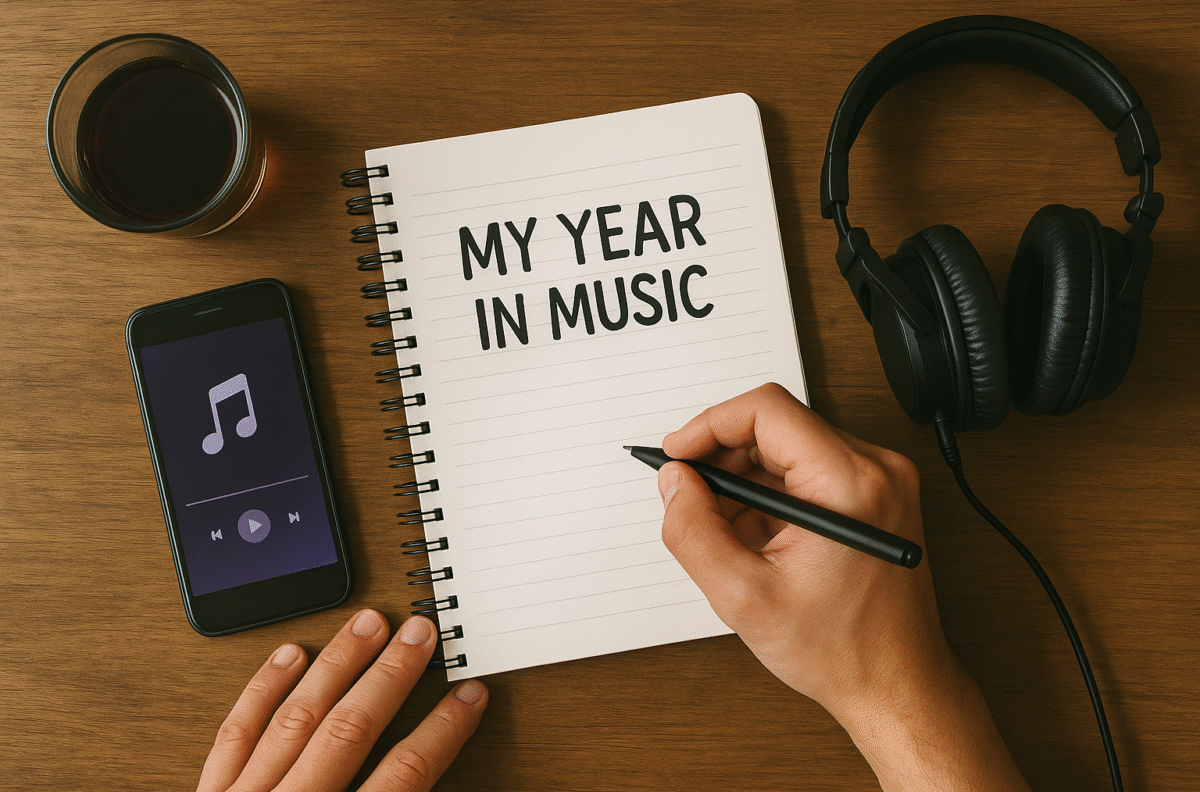
So what happens if we opt out this year? What if, instead of letting an app tell us who we are, we reclaim the tradition ourselves? Make your own list—whether it’s scribbled in a notebook, typed into your notes app, or shared only with a few close friends. Include records that got overlooked, shows that blew your mind, songs that comforted you, or music from decades past that you discovered for the first time. The point isn’t polish. It’s connection. It’s memory. It’s taking ownership of your musical story.
Corporations have automated nearly everything else. Let’s not hand over this, too.
❓ FAQ Section
1. What is the main issue with Spotify Wrapped?
It encourages passive consumption by presenting your listening data as a definitive summary of your taste, replacing genuine reflection with automated metrics.
2. Why should I create my own year-end music list?
Personal lists help you reconnect with meaningful musical moments that data can’t capture and allow you to define your own parameters for what mattered most.
3. Are other streaming services doing the same thing?
Yes. Apple Music, YouTube, Amazon, and others have their own Wrapped-style recaps, all built around user data and designed as viral marketing tools.
4. Is Spotify Wrapped harmful?
Not inherently, but it encourages a culture of outsourcing memory and reflection to algorithms, which can weaken personal engagement with music.
5. How can I reflect on my music year more intentionally?
Write your own list—favorite albums, new discoveries, best concerts, most emotional songs, or anything that felt meaningful to you personally.