

IRS tax refunds delay loom in 2026 as staffing crunch collides with new tax rules: What this means for you

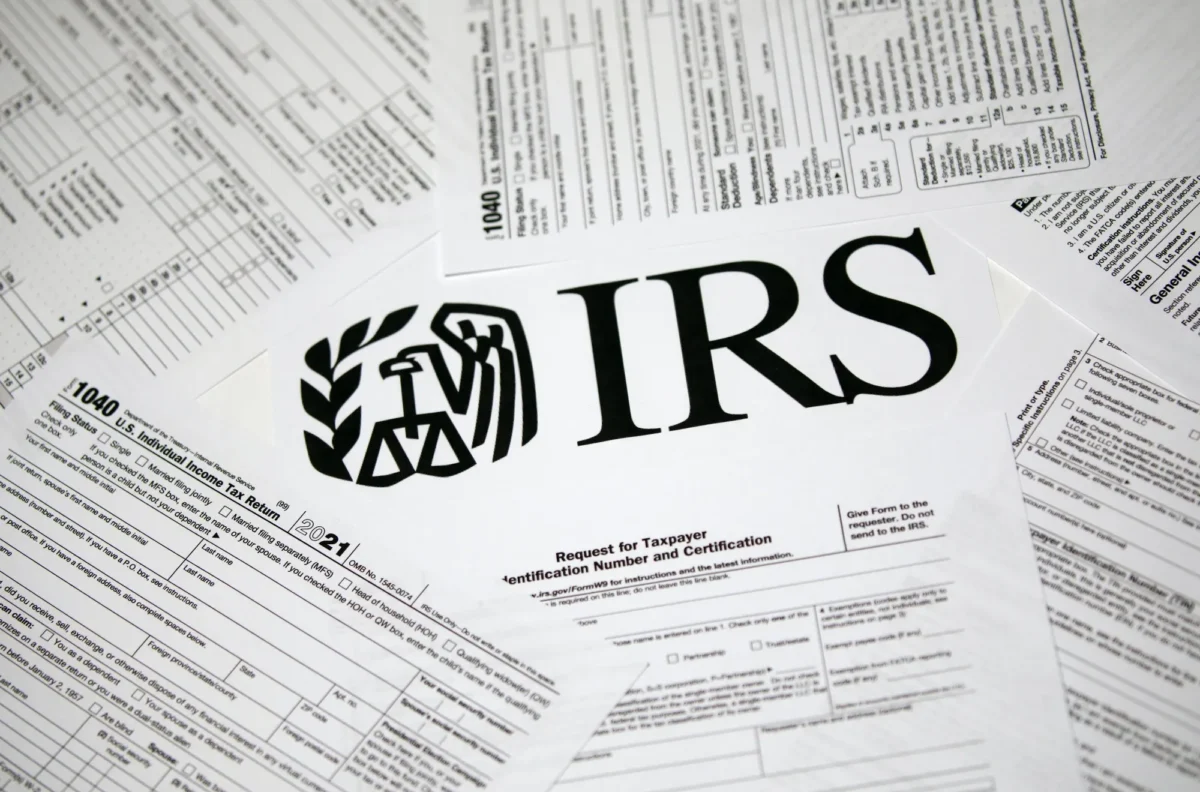
New IRS tax deductions delivers relief for seniors. Image Credit: Luke Sharrett/Bloomberg
Millions of Americans counting on their IRS tax refunds in 2026 may face longer waits than expected. A new Treasury watchdog report warns that staffing shortages at the Internal Revenue Service, combined with new tax laws and verification requirements, could slow refund processing during the current filing season.
While most taxpayers who file early and electronically may still receive refunds within the typical timeframe, experts caution that complex returns, paper filings, and credit-heavy refunds are at higher risk of delays this year.
IRS Enters 2026 Filing Season Short-Staffed
According to a January report by the Treasury Inspector General for Tax Administration, the IRS began the 2026 tax season with approximately 19,000 fewer employees than the previous year due to federal workforce reductions.
Staffing levels in critical filing-season programs have fallen back to around 2021 levels, erasing recent gains made after years of customer service backlogs. At the same time, unresolved cases have surged. As of December, the IRS was carrying about 2 million unprocessed returns and taxpayer correspondence items, more than double pre-pandemic levels.
Although the IRS approved 2,200 new hires to help process original and amended returns, just 50 employees, roughly 2%, had been onboarded by late December. With training taking up to 80 days, most new hires are unlikely to provide relief this filing season.
How Staffing Shortages Could Delay IRS Tax Refunds
Tax professionals say the most immediate impact of the IRS staffing crunch will be longer wait times for assistance and slower handling of returns requiring manual review.
Returns most vulnerable to delays include:
- Paper-filed tax returns
- Amended returns
- Returns flagged for identity verification
- Filings with mismatched W-2 or 1099 income
- Claims involving the Earned Income Tax Credit (EITC) or Child Tax Credit (CTC)
The IRS has also lowered its phone service target to 70%, down from 85% last year, meaning more taxpayers may struggle to reach live assistance if problems arise.
READ ALSO
New IRS tax deductions could put $1,300 back in seniors’ pockets: Here’s who qualifies
Tax Preparer scams explode in 2026: Fake IRS calls, phony tax help and how to avoid costly mistakes
2026 IRS Tax Refund Timeline: What to Expect
Despite these challenges, the IRS began accepting e-filed returns on January 26, 2026, and many filers may still receive refunds within the normal 10–21 day window if no issues arise.
Based on IRS estimates:
- Returns accepted in late January could see refunds by early to mid-February
- Returns claiming EITC or CTC may be delayed until March
- Peak filing season (late March to April 15) may bring slightly longer waits
Importantly, the IRS has confirmed it will no longer issue paper refund checks, making direct deposit mandatory for refunds.
New Tax Laws Add Complexity to 2026 Refunds
The 2026 filing season reflects income earned in 2025 and includes changes under the One Big Beautiful Bill Act, signed into law last summer. These updates introduce new deductions, credits, and reporting requirements, adding complexity for both taxpayers and IRS systems.
Some taxpayers may see higher refunds, potentially by as much as $1,000, due to expanded credits and updated withholding rules. However, added verification steps could also slow processing for certain filers.
How Taxpayers Can Reduce the Risk of Refund Delays
Tax experts recommend several steps to avoid IRS refund delays:
- E-file early and choose direct deposit
- Double-check W-2s, 1099s, and income figures
- Avoid paper filing unless necessary
- Use IRS tools like “Where’s My Refund?” before calling
- Work with a tax professional if your return is complex
Filing accurately and electronically remains the single most effective way to receive a refund quickly in 2026.
While the IRS expects to issue most refunds on time, staffing shortages, new tax rules, and increased verification mean delays are more likely this year, especially for complex returns. Taxpayers who plan ahead and file carefully stand the best chance of avoiding disruptions.
FAQ
Will IRS tax refunds be delayed in 2026?
Yes, some refunds may be delayed due to IRS staffing shortages, increased verification requirements, and new tax law changes.
When will the IRS start issuing 2026 tax refunds?
The IRS began accepting returns on January 26, 2026. Early filers using direct deposit may receive refunds as early as February.
How long does it take to get an IRS refund in 2026?
Most e-filed returns with direct deposit are processed within 10–21 days, though complex returns may take longer.
Why is the IRS short-staffed this year?
The IRS lost about 19,000 employees due to federal workforce reductions and has struggled to onboard new hires in time for tax season.
Which tax refunds are most likely to be delayed?
Refunds involving paper filing, amended returns, identity verification, or credits like EITC and CTC are most at risk.
Are paper refund checks still available?
No. The IRS has ended paper refund checks. Direct deposit is now required.
How can I check my IRS refund status?
Use the IRS “Where’s My Refund?” tool or the IRS2Go mobile app for the most accurate updates.
Can I still get my refund faster despite IRS delays?
Yes. Filing electronically, choosing direct deposit, and ensuring accurate information can significantly reduce delays.