

Iran Navy Chief killed: Israel says IRGC Commander Alireza Tangsiri was eliminated in strike as Strait of Hormuz crisis deepens

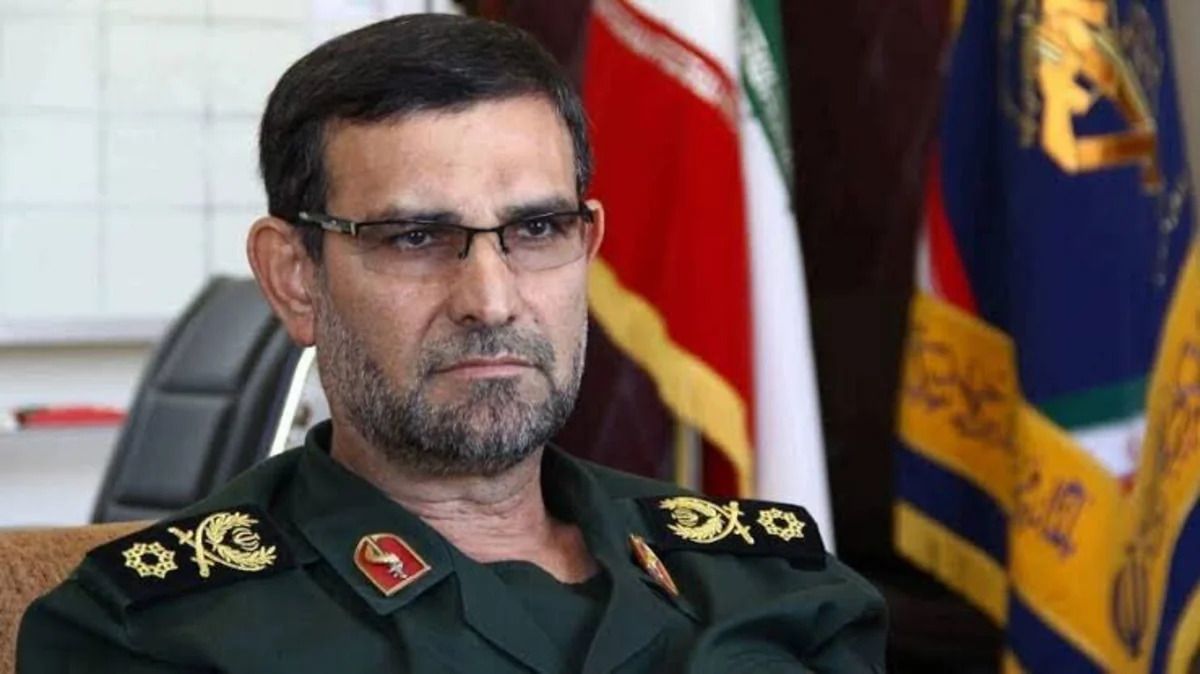
Israel says Iran navy chief Tangsiri killed in Hormuz strike
Israel says it has killed one of Iran’s most consequential naval commanders, a move that could sharply escalate the maritime front of the ongoing war and further destabilise the Strait of Hormuz, the world’s most critical oil chokepoint.
In a major development in the intensifying US-Israel war on Iran, Israeli officials said Alireza Tangsiri, commander of the Islamic Revolutionary Guard Corps (IRGC) Navy, was killed in an overnight strike in Bandar Abbas, the strategic Iranian port city that anchors Tehran’s control over the Strait of Hormuz. The claim was made by Israeli Defence Minister Israel Katz, who described Tangsiri as a key architect of Iran’s efforts to disrupt shipping in the narrow waterway. As of publication, Iran had not officially confirmed the death, making the story one of the most closely watched breaking developments in the Middle East.
For global markets, energy traders, and governments across Asia, Europe, and Africa, the significance goes far beyond the battlefield. The Strait of Hormuz handles around 20 percent of the world’s oil and liquefied natural gas flows under normal conditions, and recent disruptions have already triggered higher fuel and shipping costs.
Israel Claims It Killed Iran Navy Commander Alireza Tangsiri
According to Al Jazeera and other reports, Israel said the strike took place on Wednesday night, targeting Tangsiri and other senior IRGC naval officers. In a video statement, Defence Minister Israel Katz said Tangsiri was “directly responsible” for operations involving the mining and blocking of the Strait of Hormuz, accusing him of orchestrating maritime pressure against commercial shipping.
Israeli-linked reporting also said the strike may have killed other senior naval command figures, adding to the perception that the attack was designed not just to eliminate one commander, but to weaken the broader leadership structure of the IRGC Navy at a critical stage in the conflict. However, because Iran has not publicly verified the claim, the operational details remain contested and should be treated with caution pending independent confirmation.
This is crucial for accuracy: the death is being reported as an Israeli claim, not yet an officially confirmed Iranian military announcement at the time of writing.
Who Was Alireza Tangsiri and Why He Mattered to Iran’s Naval Strategy
Alireza Tangsiri was not just another senior officer. He had served as commander of the IRGC Navy since August 2018, after being appointed by Iran’s Supreme Leader. Before that, he was the force’s deputy commander, making him one of the most experienced figures in Tehran’s asymmetric maritime doctrine.
His command was central to Iran’s strategy in the Persian Gulf, especially in the Strait of Hormuz, where the IRGC Navy has long relied on fast attack craft, drones, maritime harassment, missile-equipped patrol assets, and the threat of mining shipping lanes rather than conventional blue-water naval dominance. Analysts have long viewed the IRGC Navy as a specialised force built for chokepoint disruption, not traditional naval warfare.
Tangsiri was also previously sanctioned by the US Treasury in 2019, which accused him of acting on behalf of the IRGC and threatening to close the Strait of Hormuz if sanctions prevented Iranian oil exports. That sanction history underscores why his name carried such weight in regional security discussions years before this latest conflict.
Why the Strait of Hormuz Is at the Centre of the Crisis
The Strait of Hormuz is the strategic heart of this story. It is the narrow maritime passage between Iran, the UAE, and Oman, and it serves as one of the world’s most important energy arteries. When traffic through the strait is disrupted, the consequences ripple globally, from crude oil prices and insurance premiums to fuel costs in countries far from the Gulf, including parts of Africa.
Recent reporting indicates Iran has been restricting vessel movement through the strait, allowing only a limited number of ships through while blocking or heavily scrutinising those seen as linked to the US or Israel. Al Jazeera reported that Tangsiri had been directly overseeing operations in Bandar Abbas, with social media updates linked to his camp allegedly signalling which ships could pass. Those actions have been tied to the recent surge in energy prices.
This is why the reported killing of Tangsiri is more than a battlefield update. It is a development with immediate implications for oil markets, shipping lanes, insurance risk, regional military escalation, and diplomatic pressure.
US Response: ‘Makes the Region Safer’
The US Central Command (CENTCOM) reacted quickly. According to reports cited by Anadolu and others, senior US military officials said the death of Tangsiri “makes the region safer.” US officials also argued that the IRGC Navy is in decline, with claims that a large percentage of Iran’s bigger naval assets have already been degraded in ongoing operations.
That response is significant because it suggests Washington is not distancing itself from the consequences of the strike. Instead, it reinforces the perception of strategic alignment between US and Israeli objectives in the maritime dimension of the war. For readers searching “Did the US confirm Iran navy chief killed?” the most accurate answer is: the US publicly welcomed the reported death and described it as improving regional security, but Iran itself had not yet confirmed it at the time of publication.
READ ALSO
Kharg Island on edge: Iran warns of retaliation as US weighs seizing key Oil export hub
Iran Has Not Confirmed the Killing, Why That Matters
Despite the high-profile Israeli announcement, Iran had not issued an official confirmation at the time of the initial reports. Al Jazeera correspondents in Tehran noted that if confirmed, the killing would be another severe blow to Iran’s already battered command structure after a series of assassinations targeting senior officials in the current war.
In breaking-news SEO terms, this is where many articles get it wrong. The strongest and most accurate phrasing is:
- Israel says
- Reportedly killed
- No immediate Iranian confirmation
- Claim could mark major escalation
That framing protects journalistic credibility while still delivering a highly clickable, search-friendly story.
Wider War Context: A Leadership Decapitation Strategy
The reported killing of Tangsiri comes amid a broader campaign of targeted strikes against top Iranian military and political figures. Al Jazeera’s reporting places the incident within the wider US-Israel war on Iran, which has already seen claims of multiple high-level assassinations and extensive damage to military infrastructure. The humanitarian toll, meanwhile, has been severe, with Iranian officials telling Al Jazeera that thousands have been killed or injured since the war escalated.
That means the Tangsiri strike is not an isolated event. It fits into a larger pattern of efforts to degrade Iran’s command-and-control capacity, especially around sectors that directly affect international pressure points such as missile operations, internal security, and maritime chokepoints.
What This Means for Oil Prices, Shipping, and Global Markets
The market angle is one of the strongest SEO drivers for this topic. Searches such as “Will oil prices rise after Iran navy chief killed?”, “Is the Strait of Hormuz closed?”, and “How does the Iran war affect fuel prices?” are likely to spike.
If the reported killing of Tangsiri leads to:
- retaliatory Iranian naval action,
- tighter restrictions in the Strait of Hormuz,
- more attacks on shipping,
- or broader regional military escalation,
then oil prices and freight costs could climb further. That would be especially important for import-dependent economies and countries already facing inflationary pressure. The event therefore matters not only to defence analysts but also to everyday consumers watching petrol and diesel prices.
FAQ
1. Who is Alireza Tangsiri?
Alireza Tangsiri is the longtime commander of the Islamic Revolutionary Guard Corps (IRGC) Navy, a branch of Iran’s military structure focused on the Persian Gulf and Strait of Hormuz. He became commander in 2018 after previously serving as deputy commander.
2. Was Iran’s navy chief killed?
Israel says yes. Israeli Defence Minister Israel Katz said Alireza Tangsiri was killed in an overnight strike. However, Iran had not officially confirmed the death at the time the reports were published, so the most accurate wording is that Israel claims it killed him.
3. Did Iran confirm Alireza Tangsiri’s death?
At the time of the earliest reports, Iran had not publicly confirmed the death of Alireza Tangsiri. This remains an important detail for readers and publishers following breaking developments.
4. Why did Israel target Alireza Tangsiri?
Israel said Tangsiri was responsible for blocking and mining operations linked to the Strait of Hormuz, a waterway crucial to global oil and gas shipments. Israeli officials portrayed him as a major architect of Iran’s maritime pressure campaign.
5. What is the IRGC Navy?
The IRGC Navy is the naval branch of Iran’s Islamic Revolutionary Guard Corps, separate from Iran’s conventional navy. It specialises in asymmetric warfare, using fast boats, drones, anti-ship missiles, and maritime harassment tactics in the Persian Gulf and Strait of Hormuz.
6. Why is the Strait of Hormuz so important?
The Strait of Hormuz is one of the world’s most critical energy chokepoints. Around 20% of global oil and LNG flows normally pass through it. Any disruption there can cause oil prices to spike, increase shipping insurance, and raise fuel costs worldwide.
7. Is the Strait of Hormuz closed right now?
Reports indicate that Iran has heavily restricted traffic and allowed only a limited number of vessels through, rather than announcing a full formal closure. That means it is best described as a severely disrupted or near-blockaded route, not necessarily a universally closed one.
8. What happened in Bandar Abbas?
Bandar Abbas, a strategic Iranian port city, is where Israel says it carried out the strike that killed Tangsiri and other senior naval officers. The city is central to Iran’s control over the Strait of Hormuz and is a key naval and shipping hub.
9. What did the US say after the reported killing?
US military officials, including CENTCOM, reportedly said Tangsiri’s death “makes the region safer.” This suggests Washington sees the strike as strategically beneficial, especially in relation to the maritime crisis in the Gulf.
10. Will oil prices rise after the Iran navy chief was reportedly killed?
They could. Any escalation in the Strait of Hormuz increases the risk of higher oil prices, more expensive shipping, and broader energy-market volatility. Since the strait is so vital to global supply, even partial disruptions can quickly affect prices.
11. Could Iran retaliate after Alireza Tangsiri’s reported death?
Yes, analysts will be closely watching for possible retaliation. Iran could respond through:
- maritime disruption,
- missile strikes,
- drone attacks,
- proxy actions,
- or tighter shipping controls in the Gulf.
However, any specific retaliation would depend on Tehran’s official position and battlefield calculations.