

Can Trump invoke the Insurrection Act? Minneapolis protests push a rare law back into the Spotlight

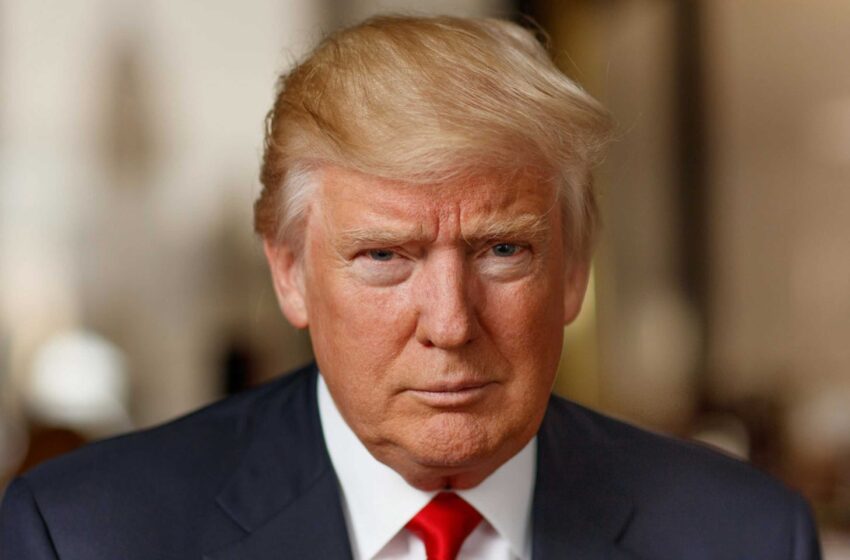
Donald Trump. Picture: David Hume Kennerly/Getty Images
The Insurrection Act, a rarely used 18th-century federal law, has surged back into national focus after President Donald Trump threatened to deploy U.S. troops to Minneapolis amid escalating protests against federal immigration enforcement operations.
The warning came Thursday as tensions intensified following a second shooting involving a federal immigration officer, just days after Renee Good was fatally shot by an ICE agent, an incident that ignited widespread protests across Minneapolis and beyond.
What Triggered the Latest Insurrection Act Threat?
According to federal officials, Wednesday’s violence began when an ICE officer attempted to stop a Venezuelan national suspected of being in the U.S. illegally. Authorities say the suspect fled, crashed his vehicle, and later assaulted the officer, joined by two others wielding a shovel and broom handle. The officer fired a defensive shot, injuring the man in the leg.
That shooting occurred roughly one week after Renee Good was killed when ICE agents surrounded her SUV near her home. Bystander video shows an officer firing multiple shots at close range as the vehicle moved forward. Homeland Security Secretary Kristi Noem claims the agent was struck by the car, calling the shooting self-defense, a claim strongly disputed by Minnesota officials.
Trump’s Warning: Troops Could Be Deployed Without State Approval
In a social media post, Trump accused Minnesota leaders of failing to control what he called “professional agitators and insurrectionists” and warned he would invoke the Insurrection Act if unrest continues.
The law allows a president to deploy active-duty military forces or federalize the National Guard for domestic law enforcement, even over a governor’s objections.
Presidents have invoked the act more than two dozen times in U.S. history, most recently in 1992, when President George H.W. Bush sent troops to Los Angeles at the request of California’s governor following riots.
This time, Minnesota officials say no such request has been made.
READ ALSO
What does the Alpha News Video really show? Inside the ICE shooting that’s rocking Minneapolis
Why Tim Walz won’t run again, and how a growing fraud scandal reshaped Minnesota politics
Minnesota Pushes Back With Lawsuits and Legal Threats
Minnesota Attorney General Keith Ellison said the state would challenge any invocation of the Insurrection Act in court, calling the federal response excessive and unconstitutional.
Minnesota and the Twin Cities have already filed lawsuits accusing federal authorities of warrantless arrests, excessive force, and violations of the 10th Amendment. A federal judge declined to issue a temporary restraining order but emphasized the decision was not a ruling on the merits.
Gov. Tim Walz urged de-escalation, warning that federal actions were inflaming tensions rather than restoring calm.
“This is not who we are,” Walz said, calling on the administration to stop what he described as a campaign of retaliation.
City Leaders Warn Minneapolis Is Being Overwhelmed
Minneapolis Mayor Jacob Frey said the number of federal officers now deployed is five times larger than the city’s police force, describing the operation as an “invasion” that has left residents fearful and angry.
Clashes between protesters and federal agents have involved tear gas, fireworks, rocks, flash-bangs, and vandalized vehicles, pushing the city into a volatile standoff.
Divisions in Washington Over the Insurrection Act
Reaction in Washington has been split.
Senate Majority Leader John Thune downplayed the threat, expressing hope that local and federal officials could restore order without military deployment. House Speaker Mike Johnson, however, defended Trump’s stance, claiming Minnesota leaders were enabling violence.
Civil liberties groups, including the ACLU of Minnesota, warned that using the Insurrection Act against protesters would mark a dangerous escalation and set a troubling precedent.
What the Insurrection Act Means for the U.S.
Legal experts warn that invoking the Insurrection Act would represent one of the most aggressive uses of presidential power in decades, blurring the line between civilian law enforcement and military authority.
With protests ongoing, lawsuits pending, and federal agents remaining on the ground, the decision now rests squarely with the president, and could reshape how future domestic unrest is handled in the United States.
FAQ
What is the Insurrection Act?
The Insurrection Act is a U.S. law that allows the president to deploy military forces domestically to suppress unrest under specific conditions.
Can the president use the Insurrection Act without a governor’s approval?
Yes. Unlike the National Guard, the Insurrection Act allows deployment without state consent.
Has Trump used the Insurrection Act before?
No, but he has threatened to invoke it multiple times, including during protests in Portland and now Minneapolis.
When was the Insurrection Act last used?
It was last invoked in 1992 during the Los Angeles riots at the request of California’s governor.
Why are protests happening in Minneapolis?
Protests erupted after ICE agents shot and killed Renee Good, followed by another shooting involving a federal officer.
Is military deployment imminent?
As of now, no troops have been deployed, but administration officials confirm the option is actively being discussed.