

INEC suspends all engagement with ADC factions as David Mark NWC is removed: What this means

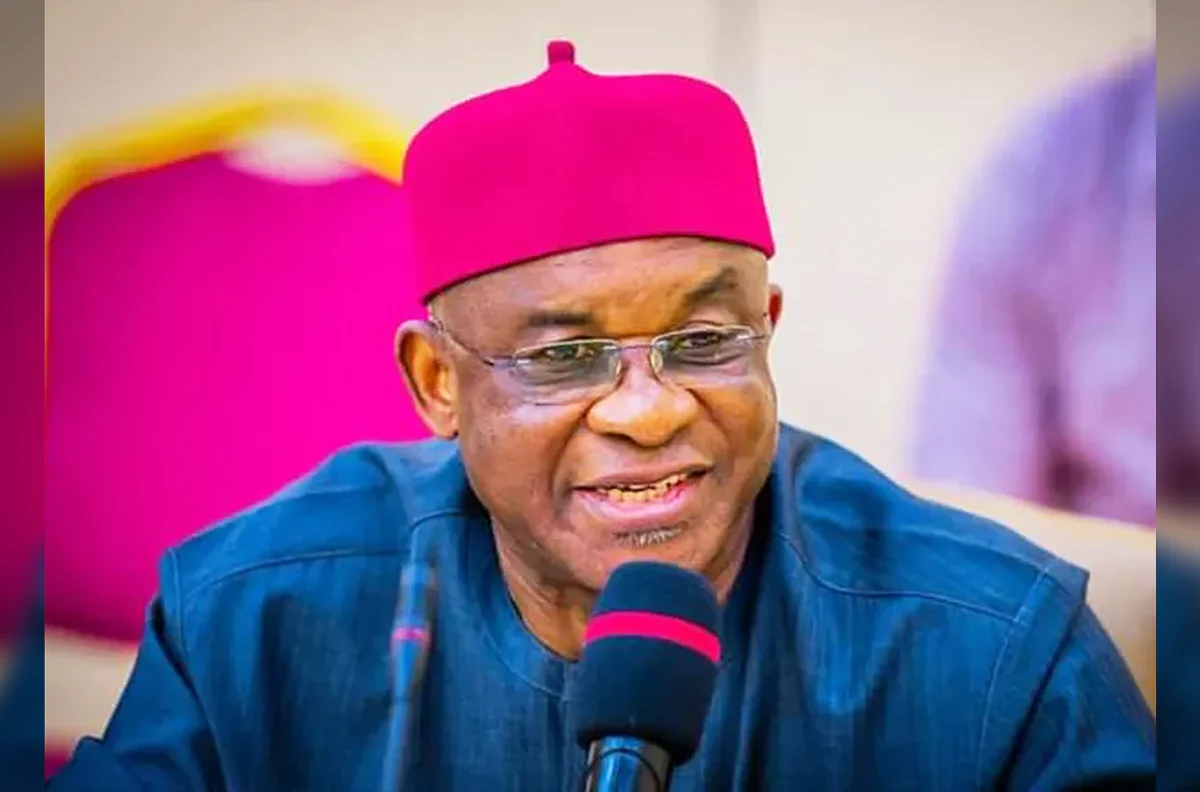
INEC removes David Mark-led ADC leadership from portal
The Independent National Electoral Commission (INEC) has removed the David Mark-led National Working Committee (NWC) of the African Democratic Congress (ADC) from its official portal, escalating the party’s deepening internal crisis at a critical time in Nigeria’s fast-shifting opposition politics ahead of the 2027 general elections.
In a major development announced on April 1, 2026, INEC said it would discontinue recognition of the David Mark-led ADC faction, remove the names of the current NWC from its records, and suspend all dealings with both rival camps until the substantive suit before the Federal High Court in Abuja is decided. The commission said the move follows a Court of Appeal judgment delivered on March 12, 2026, which directed all parties to maintain the status quo ante bellum, the position that existed before the dispute began.
The decision places the ADC, recently adopted by major opposition figures as a potential 2027 coalition platform, in a delicate legal and political position just days after prominent realignments within the party.
Why INEC Removed the David Mark-Led ADC Leadership From Its Portal
INEC said the removal of the David Mark-led NWC was taken in direct compliance with the Court of Appeal’s instruction that no party should take any action capable of prejudicing the ongoing case before the trial court.
According to the commission, although the names of the David Mark-led leadership were uploaded to its portal on September 9, 2025, that action occurred seven days after the substantive suit challenging the leadership arrangement had already been filed on September 2, 2025. Based on that timeline, INEC said the upload would now be reversed to restore the pre-dispute position pending the final determination of the case.
In practical terms, this means INEC will no longer display or administratively validate the David Mark-led ADC leadership structure until the court gives a conclusive ruling.
What the Court of Appeal Ordered in the ADC Leadership Case
The heart of the controversy lies in the appellate court’s direction that all parties must preserve the status quo ante bellum, a legal phrase meaning the last uncontested state of affairs before the conflict emerged.
The case stems from Suit No. FHC/ABJ/CS/1819/2025, filed by Nafiu Bala Gombe, who had served as the ADC’s vice-national chairman before the emergence of the David Mark-led caretaker leadership. Bala challenged the legitimacy of David Mark and his allies after the Ralph Nwosu-led NWC stepped aside in 2025. The matter first came before the Federal High Court in September 2025, and the Court of Appeal later dismissed an appeal tied to the interim proceedings on March 12, 2026, prompting INEC’s latest interpretation and action.
INEC stressed that it is acting to avoid “foisting a fait accompli” on the court or undermining the trial court’s eventual decision.
READ ALSO
INEC Rejects Recognition of Nafiu Bala Camp Too
Importantly, INEC did not replace David Mark’s faction with the rival camp led by Nafiu Bala Gombe.
The commission said it would also reject requests from Bala’s group to recognise him as acting national chairman, arguing that such a move would equally violate the Court of Appeal’s directive. Instead, INEC said it would maintain neutrality and refrain from recognizing either faction while the legal battle continues.
This means that, for now, neither the David Mark-led camp nor the Bala faction has formal operational recognition from INEC pending the Federal High Court’s ruling.
INEC Suspends All Engagements With ADC Factions
In what may be the most politically significant part of the decision, INEC said it will stop receiving communications from both camps and suspend all monitoring of ADC meetings, congresses, or conventions until the case is resolved.
That effectively freezes formal institutional engagement between the electoral body and the party’s competing structures. INEC said it “shall not receive any further communication or deal with any of the parties or groups pertaining to the affairs of the party,” underscoring its position of strict neutrality while litigation is ongoing.
For a party that has recently attracted heavyweight opposition figures, that suspension could complicate internal organisation and preparations linked to the 2027 election cycle.
Why the ADC Crisis Matters for the 2027 Elections
The ADC crisis has become more consequential because the party has increasingly emerged as a possible opposition coalition vehicle ahead of 2027.
Channels Television previously reported that major opposition actors have gravitated toward the ADC in recent months. Former Senate President David Mark and former Osun governor Rauf Aregbesola were presented as interim leaders after the previous structure stepped aside, while former NNPP presidential candidate Rabiu Kwankwaso formally joined the party on March 30, 2026. The party also recorded fresh defections in the House of Representatives, with eight lawmakers moving into the ADC amid broader political realignments.
That makes INEC’s decision especially significant: it doesn’t just affect party paperwork—it directly impacts the internal legitimacy of a platform many observers view as central to opposition calculations for the next presidential race.
What Happens Next in the INEC-ADC Dispute
The next decisive stage is the Federal High Court in Abuja, where the substantive suit over the party’s leadership remains pending.
Until that court rules, INEC says it will keep the situation frozen, preserve the pre-dispute status, and avoid taking sides. The commission also urged political actors to avoid conduct that could disrupt preparations for the 2027 general elections, which are already entering a more active administrative phase. Just days earlier, INEC extended the deadline for political parties to submit membership registers for 2027, underlining how closely the electoral calendar is now intersecting with party leadership disputes.
If the trial court rules in favour of one faction, INEC is expected to update its records accordingly. Until then, the ADC remains in a state of institutional limbo.
FAQ
1. Why did INEC remove the David Mark-led ADC leadership from its portal?
INEC said it removed the David Mark-led ADC National Working Committee from its portal to comply with a Court of Appeal order directing all parties to maintain the status quo ante bellum pending the final determination of the case at the Federal High Court in Abuja.
2. Is INEC still recognising David Mark as ADC chairman?
No. INEC said it has discontinued recognition of the David Mark-led ADC faction for now and has removed the names of that leadership from its official portal pending the court’s final ruling.
3. Did INEC recognise Nafiu Bala Gombe as ADC chairman instead?
No. INEC also rejected efforts by Nafiu Bala Gombe’s camp to be recognised as the acting leadership, saying it would not take any action that violates the Court of Appeal’s directive.
4. What does status quo ante bellum mean in the ADC case?
In this context, status quo ante bellum means the situation that existed before the dispute started, specifically before the suit was filed on September 2, 2025. INEC says it is restoring that earlier position until the court decides the matter.
5. What is the ADC leadership crisis about?
The crisis is a power struggle between the David Mark-led faction and the Nafiu Bala Gombe faction over who legitimately controls the African Democratic Congress (ADC). The dispute intensified after the earlier party leadership structure stepped aside and David Mark’s camp emerged.
6. What court case is behind the INEC ADC decision?
The dispute is tied to Suit No. FHC/ABJ/CS/1819/2025 at the Federal High Court in Abuja, which was filed by Nafiu Bala Gombe on September 2, 2025. A related appellate decision on March 12, 2026 shaped INEC’s latest action.
7. Will INEC deal with any ADC faction now?
No. INEC said it will not receive communications from either faction and will not monitor meetings, congresses, or conventions of the rival groups until the Federal High Court gives a final ruling.
8. How does this affect ADC ahead of the 2027 elections?
The decision could disrupt internal party organisation because ADC has become a visible opposition platform ahead of 2027. With INEC freezing dealings with both factions, party administration and formal electoral interactions may become more difficult until the court resolves the leadership dispute.
9. Is ADC still being used as an opposition coalition platform?
Politically, yes, ADC remains central to opposition conversations. Recent reports show major figures like Rabiu Kwankwaso formally joined the party, and other politicians have moved toward the platform. But institutionally, the leadership structure is now under legal dispute.
10. When did INEC first upload the David Mark-led ADC leadership?
INEC said the names of the David Mark-led NWC were uploaded on September 9, 2025, which was seven days after the substantive suit challenging the arrangement had already been filed.
11. What happens next in the ADC leadership case?
The next key step is the Federal High Court’s decision on the substantive suit. Once the court rules, INEC is expected to update its portal and formal recognition based on that judgment.
12. Has INEC taken similar party recognition actions recently?
Yes. INEC recently updated its records in other party matters, including recognition of a faction in the PDP after that party’s convention, showing how party leadership disputes are increasingly intersecting with 2027 election administration.
13. Why is this INEC ADC story trending today?
It is trending because it combines:
- A major opposition party crisis
- David Mark’s name
- A direct INEC portal change
- Legal implications for the 2027 elections
- Broader coalition politics involving top Nigerian politicians
14. Is ADC banned or deregistered by INEC?
No. There is no indication that ADC has been deregistered. The current issue is about which leadership faction INEC should recognise, not the legal existence of the party itself.
15. Can ADC still hold meetings or conventions during this dispute?
The party may still attempt internal activities, but INEC has said it will not monitor or engage with meetings, congresses, or conventions by either faction until the court resolves the matter. That means such activities may lack official commission engagement during the dispute.