

INEC recognises Wike-backed PDP leadership, lists Abdulrahman and Anyanwu in major blow to rival faction

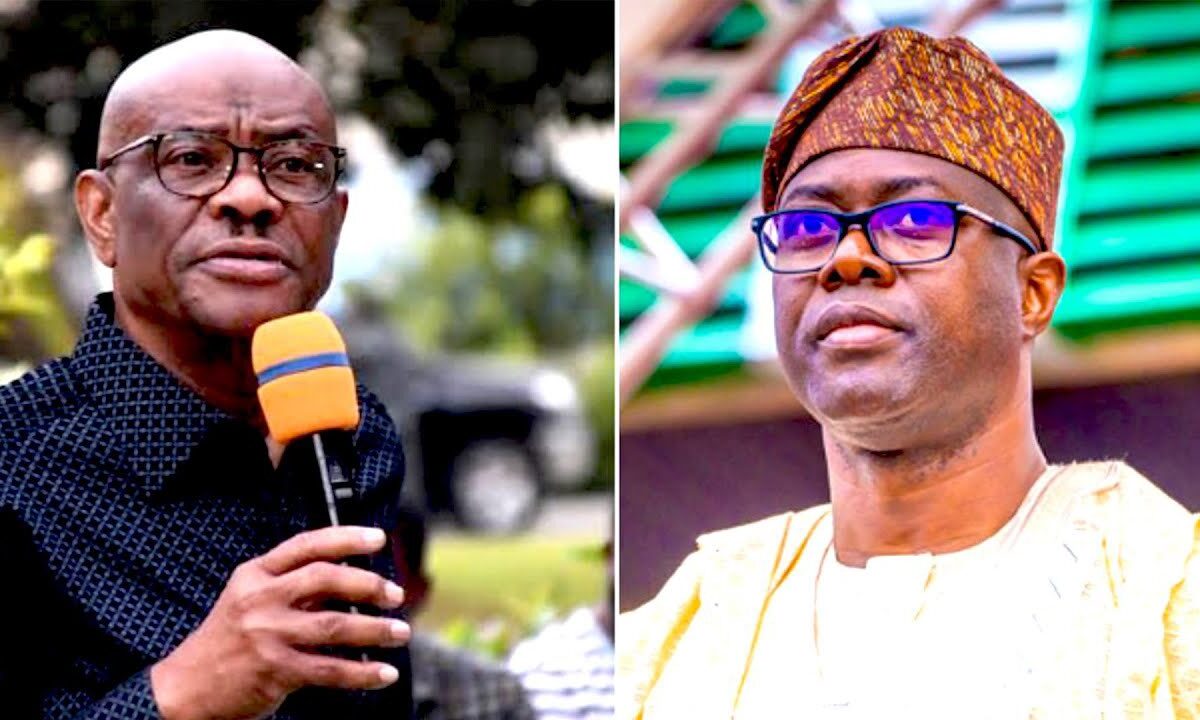
INEC Recognises Wike-Backed PDP Leadership After Controversial National Convention
The Independent National Electoral Commission (INEC) has formally updated its official website to reflect a major development in the deepening leadership crisis rocking the Peoples Democratic Party (PDP), listing Abdulrahman Mohammed as National Chairman and Samuel Anyanwu as National Secretary.
The move, which follows the PDP’s controversial national convention held in Abuja, is widely being interpreted as a significant recognition of the Wike-backed faction of the party’s National Working Committee (NWC). It also marks a potentially decisive moment in the party’s internal power struggle, as rival factions continue to contest the legitimacy of the convention and its outcomes.
The update by INEC has intensified political debate across Nigeria, especially as the opposition party attempts to steady itself ahead of the 2027 general elections. With the PDP already fractured by internal disputes, the electoral body’s recognition of one leadership bloc could reshape the party’s future direction and alter calculations within the wider opposition landscape.
INEC Updates Website, Lists Abdulrahman Mohammed and Samuel Anyanwu as PDP National Officers
According to reports by Daily Post Nigeria and TheCable, INEC has published the names of the newly recognised members of the PDP’s National Working Committee (NWC) on its official website, with Abdulrahman Mohammed listed as National Chairman and Samuel Anyanwu as National Secretary.
Both men were reportedly elected during the PDP’s national convention held late Sunday at the velodrome of the Moshood Abiola National Stadium in Abuja. The convention has since become the centre of intense controversy, with multiple claims and counterclaims from rival camps within the party.
By reflecting the names on its official platform, INEC has taken a step many political observers see as more than administrative routine. In practical terms, the listing signals that the electoral umpire has, at least for now, accepted the leadership details submitted by the faction aligned with Nyesom Wike, the Minister of the Federal Capital Territory (FCT).
Why INEC’s Recognition Is a Major Turning Point in the PDP Crisis
The significance of INEC’s action lies in its institutional weight. As Nigeria’s electoral management body, INEC’s recognition of party officials can have far-reaching consequences for party administration, official correspondence, candidate nomination processes, and legal standing in future electoral matters.
Although INEC’s website update may not automatically end the dispute, it gives the Wike-backed PDP faction a strong symbolic and procedural advantage. In party politics, recognition by INEC often influences who is seen as the legitimate authority for dealing with internal party affairs, especially when preparing for primaries, conventions, or electoral submissions.
This is why the update is being viewed as a major blow to the rival faction within the PDP, particularly those aligned against the Abuja convention outcome. It may also trigger fresh legal battles as aggrieved stakeholders seek judicial intervention to challenge the commission’s apparent acceptance of the submitted leadership list.
Wike Camp Declares Victory After PDP National Convention in Abuja
The newly recognised leadership emerged from a national convention backed by allies of Nyesom Wike, one of the most influential figures in the PDP’s recent internal battles.
Speaking at the convention, Wike said the party had overcome the leadership crisis that threatened its existence, declaring that loyal members had “fought and returned the party to its rightful owners.”
The former Rivers governor framed the convention as a corrective moment, accusing unnamed party elites of undermining internal democracy and trying to distort the party’s founding values. He also praised grassroots members for keeping the PDP stable despite what he described as the “infidelity of opportunistic elite.”
These remarks underline the broader ideological and power struggle within the party, one that now appears to have moved from internal rhetoric into institutional recognition.
READ ALSO
Kwankwaso set to dump NNPP for ADC on Monday in major 2027 shake-up as Kwankwasiyya movement follows
Rival PDP Faction May Head to Court Over INEC Recognition
Despite the apparent victory for the Wike-aligned bloc, the PDP’s internal crisis is far from over.
Reports indicate that the party remains sharply divided into at least two major factions, with one faction led by Kabiru Turaki reportedly seeking judicial action before the convention. According to TheCable, the Turaki-led camp had approached the Supreme Court in a bid to restrain the Wike faction from proceeding with the national convention.
That legal effort highlights the depth of the crisis and suggests that INEC’s recognition could become the subject of fresh court challenges in the coming days.
Political analysts believe the next stage of the dispute may revolve around questions such as:
- Whether the convention was validly convened
- Whether the elected officers emerged through due process
- Whether INEC’s listing amounts to full legal recognition or merely publication of submitted party details
- Whether the courts may later overturn or affirm the outcome
Until these issues are resolved, the PDP’s leadership battle is likely to remain a major national political story.
What This Means for the PDP Ahead of the 2027 General Elections
As Nigeria inches closer to the 2027 elections, the PDP’s internal cohesion is becoming increasingly important.
The party remains one of Nigeria’s biggest opposition platforms, but repeated leadership crises, factional battles, and elite power struggles have weakened its public image. INEC’s recognition of the Wike-backed leadership may help create temporary clarity for one bloc, but it could also deepen resentment among rival stakeholders.
If unresolved, the crisis could affect:
- Candidate selection processes
- Party primaries
- Alliance-building with other opposition groups
- Public trust in PDP’s readiness for 2027
- Internal fundraising and mobilisation
For now, INEC’s action appears to have given one faction a strategic edge, but whether that translates into lasting stability remains uncertain.
INEC’s Website Update Could Redefine the PDP Power Struggle
The decision by INEC to list Abdulrahman Mohammed and Samuel Anyanwu as PDP national officers is more than a routine website update, it is a politically charged development that could reshape the opposition party’s internal balance of power.
By recognising the leadership that emerged from the disputed Abuja convention, the commission has effectively strengthened the Wike-backed camp at a critical time. However, with rival factions contesting the legitimacy of the process and legal options still on the table, the PDP crisis is unlikely to end soon.
As the 2027 elections approach, this latest twist may prove to be one of the most consequential moments in the party’s post-convention battle for control.
FAQ
1. Did INEC recognise the Wike-backed PDP leadership?
Yes. INEC updated its official website to list the Wike-backed faction of the PDP’s National Working Committee, including Abdulrahman Mohammed as National Chairman and Samuel Anyanwu as National Secretary.
2. Who is the new PDP national chairman recognised by INEC?
According to the updated INEC listing, Abdulrahman Mohammed is now recognised as the National Chairman of the PDP following the party’s controversial national convention in Abuja.
3. Who is the PDP national secretary listed by INEC?
INEC’s updated website lists Samuel Anyanwu as the National Secretary of the Peoples Democratic Party (PDP).
4. What happened at the PDP national convention in Abuja?
The PDP held a national convention in Abuja, where Abdulrahman Mohammed and other members of the National Working Committee were elected. However, the convention became controversial due to rival factions disputing its legitimacy.
5. Why is INEC’s recognition of the PDP leadership important?
INEC is Nigeria’s electoral body, and its recognition of party officials can affect official party communications, administrative processes, candidate nominations, and political legitimacy ahead of future elections.
6. Does INEC’s website update mean the PDP crisis is over?
No. While the update gives the Wike-backed faction a major advantage, the PDP remains divided, and rival groups may still challenge the recognition in court.
7. Is Nyesom Wike now in control of the PDP?
Not officially in a personal capacity, but the faction backed by Nyesom Wike appears to have gained a significant institutional advantage after INEC recognised the leadership that emerged from the convention supported by his allies.
8. What did Nyesom Wike say after the PDP convention?
Wike said the party had overcome its leadership crisis and that loyal members had “returned the party to its rightful owners.” He also criticised those he accused of undermining internal democracy within the PDP.
9. Who is opposing the Wike-backed PDP faction?
Reports indicate that the PDP is split into rival camps, including a faction associated with Kabiru Turaki, which reportedly sought court action to stop the convention.
10. Did the rival PDP faction go to court before the convention?
Yes. According to reports, the Kabiru Turaki-led faction approached the Supreme Court in an effort to restrain the Wike-backed camp from holding the national convention.
11. Can INEC decide who leads a political party in Nigeria?
INEC can publish and recognise party officials based on submitted information, but disputes over legitimacy can still be challenged in court. Final resolution of leadership crises may ultimately depend on judicial decisions if internal party mechanisms fail.
12. What does INEC recognition mean for the 2027 election?
It could significantly affect the PDP’s preparation for the 2027 general elections, especially in areas such as:
- Leadership control
- Candidate nomination
- Party primaries
- Coalition talks
- Internal fundraising and mobilisation
13. Could the courts overturn INEC’s recognition of the PDP leadership?
Yes. If a court finds that the convention or leadership process was flawed, it could potentially alter or overturn the practical effect of INEC’s recognition.
14. Why is the PDP leadership crisis a major political story in Nigeria?
The PDP is one of Nigeria’s largest opposition parties. Any internal crisis within the party has national implications because it affects the balance of power, opposition strength, and political competition ahead of major elections.
15. Where was the PDP convention held?
The convention was held at the velodrome of the Moshood Abiola National Stadium in Abuja.
16. Is Samuel Anyanwu still PDP national secretary?
As of the latest INEC website update cited in the reports, Samuel Anyanwu is listed as PDP National Secretary.
17. What are the possible next steps in the PDP crisis?
Possible next steps include:
- Court cases by aggrieved factions
- Internal reconciliation talks
- Further statements from INEC
- Additional party meetings or conventions
- Political realignments ahead of 2027