

INEC Chairman breaks silence: Amupitan denies one-party state plot, warns ADC over court order crisis

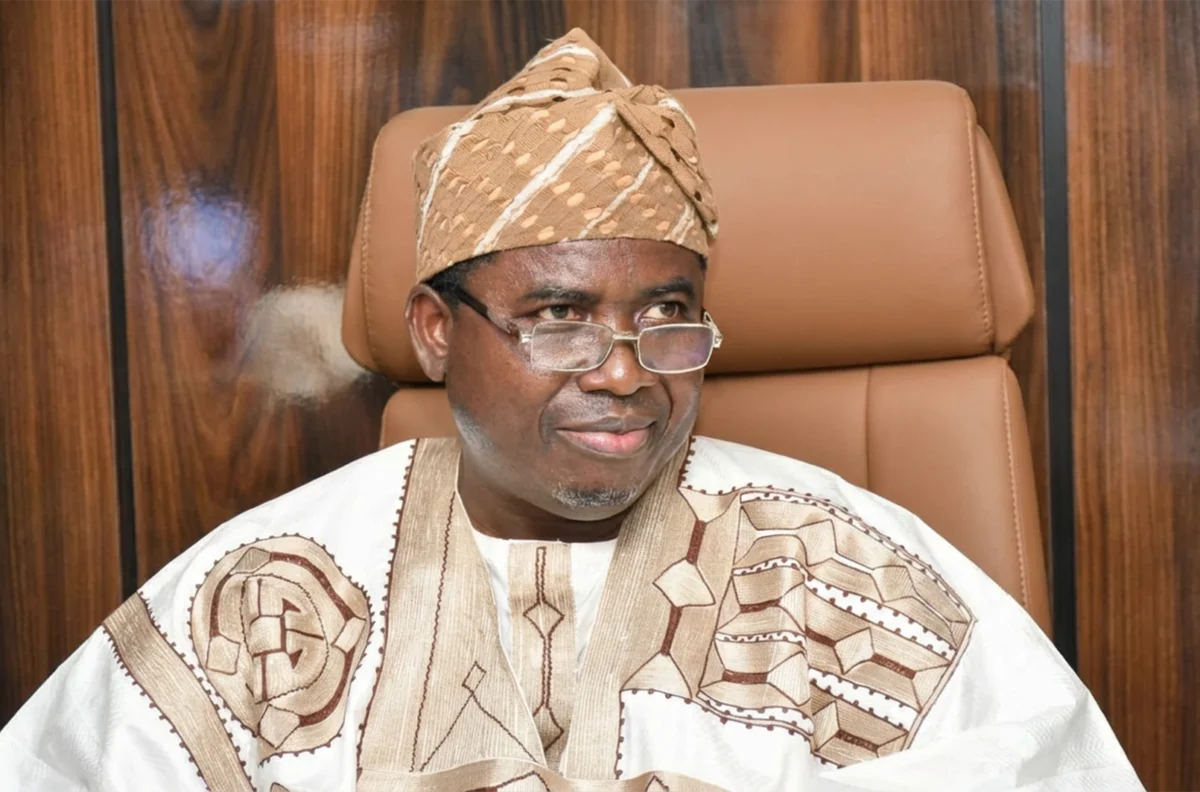
INEC chairman Joash Amupitan defends neutrality amid ADC crisis
The Chairman of the Independent National Electoral Commission (INEC), Professor Joash Amupitan, has strongly defended the commission’s neutrality amid mounting political tension over the leadership crisis in the African Democratic Congress (ADC), insisting that the electoral body is not part of any plan to turn Nigeria into a one-party state. In a high-profile intervention that has quickly become one of Nigeria’s top political stories, Amupitan said INEC’s recent actions in the ADC dispute were driven strictly by court orders and the need to avoid a repeat of past electoral crises that upended outcomes in states such as Zamfara and Plateau.
Speaking during an interview on Arise TV, the INEC chairman pushed back against accusations from opposition figures who claimed the commission was aiding a broader political agenda ahead of the 2027 general election. According to him, Nigeria remains constitutionally a multi-party democracy, and any suggestion that INEC is colluding to engineer a one-party state is unfounded. The comments come after INEC announced it would no longer recognise rival ADC factions linked to David Mark and Nafiu Bala while a legal dispute over the party’s leadership remains unresolved.
Why the INEC Chairman Is in the Spotlight
The controversy escalated after INEC reviewed a Court of Appeal judgment and said it would not recognise either of the contending ADC factions until the legal process is concluded. The decision sparked sharp criticism from opposition voices, some of whom accused the commission of political bias and demanded Amupitan’s resignation. But the INEC chairman said the commission is itself a party to the case, having been joined as a defendant, and therefore must tread carefully to avoid violating binding judicial orders.
Amupitan stressed that the court’s directive was explicit: no party should take steps that would render the ongoing proceedings nugatory or create a fait accompli before the trial court. That legal caution, he argued, is the foundation of INEC’s decision not to supervise or recognise actions by any faction while the matter is still before the courts.
Amupitan Says INEC Is Neutral, Not Part of Any One-Party State Plan
One of the most searched angles on the story is the accusation that INEC is helping to weaken the opposition and pave the way for a one-party political system. Amupitan directly rejected that claim, saying he is “not guilty as charged” and insisting that Nigeria’s constitutional framework clearly establishes a multi-party state. He pointed to recent elections in which multiple parties contested and won seats as evidence that the political system remains plural.
His remarks appear aimed at calming fears that the ADC crisis could become a flashpoint in the build-up to 2027. With opposition parties increasingly vocal about institutional fairness, the INEC chairman’s comments are likely to shape public debate about electoral credibility, party regulation, and the limits of the commission’s powers.
ADC Leadership Crisis: Why INEC Refused to Recognise Any Faction
At the heart of the dispute is the battle for control of the ADC between rival blocs. Amupitan said INEC received conflicting communications from opposing legal representatives, each urging the commission to recognise its own faction. Faced with contradictory claims and ongoing litigation, the commission consulted its legal and political party monitoring departments before deciding that any recognition or supervision could be interpreted as interfering with a live court matter.
According to Amupitan, the status quo ante bellum order from the Court of Appeal was central to the commission’s interpretation. In simple terms, INEC concluded it must revert to the situation before the internal dispute escalated and avoid any step that could prejudice the case. That is why the commission said it could not proceed to monitor congresses or conventions tied to the disputed leadership structure.
READ ALSO
INEC suspends all engagement with ADC factions as David Mark NWC is removed: What this means
INEC Warns ADC Against Defying Court Orders
Amupitan also issued a stern warning that if the ADC proceeds with congresses or a national convention without INEC oversight while the matter remains before the court, it could face serious legal and electoral consequences. He said parties are free to act as they choose, but they must bear the implications if their actions are later ruled to have violated judicial orders.
The INEC chairman cited the Zamfara and Plateau precedents, where disputes over party primaries and non-compliance with court directives later affected electoral outcomes. In such cases, courts invalidated victories and, in some circumstances, candidates with fewer votes benefited after legal intervention. Amupitan said INEC is trying to avoid repeating those costly mistakes ahead of future elections.
Calls for Amupitan’s Removal and INEC’s Response
Following the commission’s stance, some ADC figures and allied opposition voices called for the INEC chairman’s resignation or removal. However, INEC has rejected those demands, describing them as politically motivated and legally unfounded. In a separate statement, the commission said the appointment and removal of its chairman are governed by Section 157 of the 1999 Constitution (as amended), not by partisan pressure or public outcry.
This institutional pushback signals that the commission is prepared to defend its legal reading publicly as scrutiny intensifies. For observers, the issue is no longer just about ADC leadership, it has become a broader test of how electoral institutions navigate politically explosive disputes before a major election cycle.
Who Is INEC Chairman Joash Amupitan?
The commission’s official profile identifies him as Professor Joash Ojo Amupitan, SAN, a legal scholar and senior advocate who was sworn in as INEC chairman on October 23, 2025. He succeeded Professor Mahmood Yakubu and was nominated by President Bola Ahmed Tinubu before Senate confirmation. INEC says his mandate is to deliver free, fair, credible, transparent and inclusive elections.
That background matters because Amupitan is framing the current controversy not as a political battle, but as a legal and institutional one, a distinction that could define how voters and political actors interpret INEC’s role in the months ahead.
Why This Matters for 2027 Elections
With the 2027 elections on the horizon, any dispute involving INEC, party leadership recognition, or court compliance immediately carries national significance. The ADC crisis has become a live stress test for the commission’s independence, the judiciary’s influence on party structures, and the opposition’s ability to organise without internal fragmentation. Amupitan’s insistence on legal compliance suggests INEC is positioning itself to avoid any action that could later invalidate primaries or general election outcomes.
For political stakeholders, the message is clear: ignore court orders at your own risk. For voters, the bigger issue is whether the process remains transparent and consistent enough to preserve public confidence before Nigeria enters another pivotal electoral cycle.
FAQ: INEC Chairman, Joash Amupitan and the ADC Crisis
1. Who is the current INEC chairman in Nigeria?
The current chairman of the Independent National Electoral Commission (INEC) is Professor Joash Ojo Amupitan, SAN. He was sworn in on October 23, 2025, succeeding Professor Mahmood Yakubu.
2. Why is INEC chairman Joash Amupitan trending?
Joash Amupitan is trending because he publicly defended INEC’s decision not to recognise rival ADC factions, denied allegations that the commission is helping create a one-party state, and warned parties against violating court orders.
3. What did the INEC chairman say about a one-party state?
Amupitan said he is not part of any plan to turn Nigeria into a one-party state and insisted that Nigeria remains a constitutionally recognised multi-party democracy.
4. Why did INEC refuse to recognise ADC factions?
INEC said it reviewed a Court of Appeal judgment and concluded that recognising either faction during the ongoing legal dispute could violate the court’s directive and affect pending proceedings.
5. Who are the factions involved in the ADC crisis?
The dispute has been publicly framed around factions linked to David Mark and Nafiu Bala, with both sides making competing claims over the party’s leadership.
6. Can ADC still hold its congress or convention without INEC?
ADC may attempt to proceed, but INEC has warned that doing so without its supervision while the matter is before the court could create serious legal consequences, especially if the action is later found to breach a subsisting court order.
7. What warning did the INEC chairman give to ADC?
Amupitan warned that ignoring the court order could lead to the same type of problems seen in Zamfara and Plateau, where legal breaches around party processes later affected election outcomes.
8. What does ‘status quo ante bellum’ mean in the ADC case?
In this context, it means the court wants parties to maintain the situation as it existed before the dispute escalated, so no one takes fresh actions that could prejudice the case before the final ruling. This principle is central to INEC’s interpretation of the order.
9. Can the INEC chairman be removed because of political pressure?
No. INEC has said the chairman’s appointment and removal are governed by Section 157 of the 1999 Constitution (as amended), meaning he cannot simply be removed because a political party demands it.
10. Who appointed Joash Amupitan as INEC chairman?
According to INEC’s official profile, President Bola Ahmed Tinubu nominated Joash Amupitan on October 9, 2025, after which he was confirmed by the Senate and sworn in later that month.
11. Why did Amupitan mention Zamfara and Plateau?
He cited those states as examples where non-compliance with court orders or flawed party primaries led to major post-election legal consequences, including the nullification of victories.
12. Is INEC saying Nigeria is becoming a one-party state?
No. INEC chairman Amupitan explicitly rejected that claim and said Nigeria remains a multi-party state under the constitution.
13. Why is this issue important for the 2027 elections?
Because disputes over party leadership, primary elections, and INEC recognition can directly affect who appears on the ballot and whether eventual victories survive court scrutiny. This makes the ADC case a potentially significant precedent ahead of 2027.
14. What should readers watch next in this story?
Key next developments include:
- Any fresh court ruling on the ADC leadership dispute
- Whether ADC proceeds with congresses or a convention
- INEC’s next formal statement on party recognition
- Reactions from other opposition parties ahead of 2027