

Why India may reject Tinubu’s ambassador — What it means for Nigeria’s diplomatic appointments

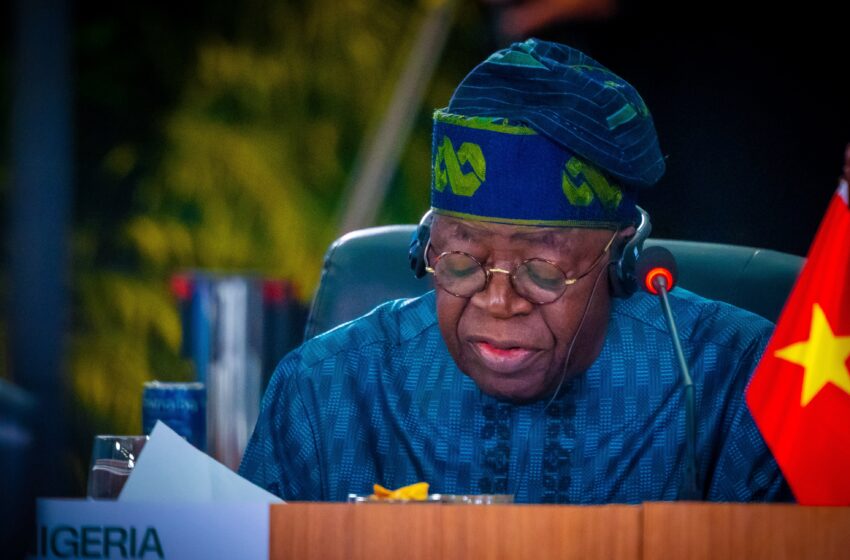
Fact-Check: Tinubu not ranked third most corrupt leader in the world—OCCRP and DUBAWA clarify. Photo credit: Bola Tinubu/X
Nigeria’s diplomatic plans have encountered a new hurdle after reports emerged that India and possibly other countries are reluctant to accept some ambassadors recently nominated by Bola Ahmed Tinubu.
The development is linked to diplomatic conventions in certain countries that discourage receiving ambassadors from governments with less than two years remaining in office. With Nigeria’s next presidential election scheduled for early 2027, some foreign governments are reportedly questioning whether the incoming envoys would have enough time to serve effectively.
Officials familiar with the matter say these concerns have already begun to surface during the process of securing diplomatic approval for the new appointments.
India Reportedly Signals Reluctance to Accept Nigerian Envoy
According to senior government and foreign service sources, India is among the countries that have indicated hesitation in granting agrément to Nigeria’s ambassador-designate.
The envoy nominated for New Delhi is Muhammad Dahiru, a seasoned diplomat expected to represent Nigeria in the country. However, sources say Indian authorities maintain a policy that discourages accepting ambassadors sent by administrations with less than two years left in power.
Agrément refers to the formal consent given by a host country before a diplomat can officially assume duties. Without it, an ambassador-designate cannot take up the posting.
Officials say signals from New Delhi suggest that this approval may be difficult to obtain unless diplomatic negotiations produce an exception.
Concerns Over Tinubu’s Remaining Time in Office
Insiders say the hesitation is not necessarily directed at the individuals nominated but rather at the timeline of the current administration.
President Bola Ahmed Tinubu was sworn in May 2023, and his first term is scheduled to end in May 2027. With Nigeria’s presidential election already fixed for January 2027 by the Independent National Electoral Commission, some countries are reportedly evaluating the political uncertainties that may follow.
Diplomatic sources say some governments worry that a new administration could replace recently appointed ambassadors shortly after they assume office.
Because of this possibility, some nations may delay or avoid approving envoys who would have limited time in their roles.
Nigeria Appoints 65 Ambassadors and High Commissioners
Earlier this month, President Tinubu approved the deployment of 65 ambassadors-designate and high commissioners to represent Nigeria in various countries and international organisations.
Among the prominent nominees are:
Femi Fani-Kayode – Germany
Reno Omokri – Mexico
Abdulrahman Dambazau – China
Jimoh Ibrahim – United Nations
However, diplomatic approval is still pending for most of the nominees.
So far, only two countries have granted agrément: the United Kingdom, which accepted High Commissioner-designate Aminu Dalhatu, and France, which approved Ayodele Oke.
This leaves the fate of more than 60 nominees still uncertain.
Delay in Ambassador Appointments Raises Questions
Foreign policy experts say the current situation may have been partly caused by the timing of the nominations.
When President Bola Ahmed Tinubu assumed office, his administration recalled Nigeria’s ambassadors in September 2023. Since then, the country’s more than 100 diplomatic missions have been operating without substantive heads.
Critics argue that waiting nearly three years before naming new ambassadors created a difficult timeline for their deployment.
Former Nigerian envoy Ogbole Amedu-Ode explained that many receiving states may simply be acting pragmatically.
According to him, countries often consider political stability and administrative continuity when deciding whether to approve a diplomat.
With elections approaching, they may prefer to wait and see whether the current government remains in power.
Diplomatic Negotiations May Still Resolve the Issue
Despite the reported resistance, officials say diplomatic negotiations are ongoing and Nigeria hopes to convince reluctant countries to approve the nominations.
Some analysts argue that strong bilateral relationships could help overcome procedural hurdles. Nigeria has recently strengthened its ties with India, especially through high-level visits and economic cooperation.
President Tinubu visited India in 2023 to attend the G20 Summit, where he met Indian Prime Minister Narendra Modi.
In 2024, Modi also visited Nigeria, marking the first trip by an Indian prime minister to the country in 17 years.
During that visit, Tinubu conferred Nigeria’s prestigious Grand Commander of the Order of the Niger honour on the Indian leader.
Diplomatic observers say these strong ties could eventually help Nigeria secure approval for its ambassadorial nominees.
What Happens Next
For now, the Federal Government continues to await responses from various host countries.
Before the diplomats can begin their assignments, they must also undergo a mandatory induction programme organised by the Ministry of Foreign Affairs.
However, the training schedule remains uncertain, even though officials say funding for the programme has already been secured.
If approvals continue to be delayed, some ambassadors-designate may not assume their posts until late 2026 — leaving them with only a few months before Nigeria’s next election cycle begins.
FAQ
Why are some countries rejecting Tinubu’s ambassadors?
Some countries reportedly avoid accepting ambassadors from governments with less than two years remaining in office, fearing political changes could shorten the envoy’s tenure.
What is agrément in diplomacy?
Agrément is the official approval given by a host country before a foreign diplomat can assume duties as an ambassador.
Which country has reportedly declined Nigeria’s ambassador?
India has reportedly indicated reluctance to accept Nigeria’s ambassador-designate due to its diplomatic policy.
How many ambassadors did Tinubu appoint?
President Bola Tinubu approved the appointment of 65 ambassadors-designate and high commissioners.
When is Nigeria’s next presidential election?
Nigeria’s next presidential election has been scheduled for January 16, 2027.