

Why HSBC’s leadership transition is raising eyebrows – Is this the right choice for the future?

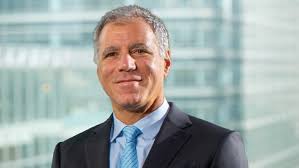
In a surprising twist, Sir Mark Tucker, the former chair of HSBC, retired from his position in September, paving the way for a much older successor. Meet Brendan Nelson, the 76-year-old former KPMG partner, who has stepped in as the interim chair. While his temporary appointment raised eyebrows, many believed his chances of securing the role permanently were slim. However, it appears that the decision may not be as clear-cut as originally assumed.
Initially, when Georges Elhedery, HSBC’s chief executive, was asked about Nelson’s candidacy, he seemed to dismiss the idea. At a Financial Times conference, Elhedery suggested that Nelson wasn’t interested in committing to the full tenure, which typically spans six to nine years. His comments weren’t particularly shocking, as leadership positions in major banks rarely extend into an executive’s senior years. After all, while some political leaders continue to serve into their 80s, corporate chairs of global banks are often expected to step down sooner.
Despite these initial reservations, Nelson’s appointment isn’t without merit. Having served as a non-executive director at HSBC for two years, he has a solid understanding of the bank’s inner workings and culture. His past experience on the boards of major institutions like BP and the Royal Bank of Scotland (now part of NatWest) provides him with a wealth of knowledge in navigating corporate challenges. Additionally, Nelson’s background in audit, particularly with the complex financials of a bank like HSBC, makes him an invaluable asset for overseeing the bank’s operations.
Yet, it’s not hard to see why Nelson may not have been at the top of most people’s lists. While he has an impressive track record in corporate governance, he is not a banker by trade, and his lack of experience leading a FTSE 100 company has made some investors and analysts skeptical about his suitability for the role. HSBC, as a UK-regulated bank with deep ties to China and Hong Kong, requires a leader who can skillfully manage not only complex financial operations but also the geopolitical tensions between the US, the UK, and China.
This is not a role for the faint of heart. Over the past few years, HSBC has faced significant scrutiny, including accusations from US officials like former Secretary of State Mike Pompeo, who claimed that the bank had “kowtowed” to the Chinese Communist Party due to its response to Beijing’s tightening grip on Hong Kong’s autonomy. With such political sensitivities at play, it’s no wonder that HSBC explored a variety of potential candidates for the role.
One of the more unconventional candidates was George Osborne, the former UK Chancellor and current podcaster. While Osborne’s political acumen is undeniable, his lack of banking experience made his candidacy seem like a long shot. Another potential contender was Kevin Sneader, the former head of Goldman Sachs’ Asia division, who, despite his strong background in management consulting, didn’t convince the HSBC board enough to secure the position.
Finding the right person to lead HSBC is a daunting task, and it’s easy to understand why. For most of the bank’s 160-year history, it has typically promoted internally, but this approach led to occasional tensions in the past. Sir Mark Tucker was the first external hire in 2017, bringing years of experience in financial services and expertise in the Asian market, particularly China. Yet even Tucker’s departure, which was a year earlier than expected, left a gap in leadership that the board has struggled to fill.
This uncertainty raises questions about HSBC’s approach to succession planning. The decision to appoint Nelson, though unexpected, highlights a lack of preparation and foresight from the bank’s board, especially considering the scale and complexity of the business. It’s crucial for large financial institutions like HSBC to have a clear and efficient succession plan, ensuring that the right candidates are always in place when needed. The bank’s leadership transition process, it seems, may need a bit of fine-tuning.
While Nelson’s appointment may surprise some, it’s possible he will prove to be the right fit for HSBC in the long term. But with the geopolitical and financial challenges that lie ahead, the bank’s leadership will be under intense scrutiny. As of now, only time will tell whether this decision will be seen as a bold stroke of genius or a costly misstep.
FAQ
Who is Brendan Nelson, and why was he appointed as HSBC’s interim chair?
Brendan Nelson, a former KPMG partner and non-executive director at HSBC, was appointed as the interim chair following Sir Mark Tucker’s retirement. He brings decades of experience in corporate governance, though his lack of banking experience has raised questions.What qualifications does Brendan Nelson bring to HSBC?
Nelson’s experience includes serving on the boards of BP and the Royal Bank of Scotland, giving him valuable expertise in corporate governance. He also has audit experience, which is critical given the complex nature of HSBC’s financials.
Why did Georges Elhedery dismiss Nelson’s candidacy at first?
Elhedery suggested that Nelson wasn’t interested in a full-term commitment of six to nine years, which is typical for the position. This led to speculation that Nelson might not be the right fit for such a long-term, high-profile role.Why is the HSBC chair position so challenging to fill?
HSBC operates in a unique geopolitical environment, with significant exposure to both China and Hong Kong. The bank requires a leader who can navigate both complex financial issues and delicate international relations.What other candidates were considered for the HSBC chair role?
Other potential candidates included George Osborne, the former UK Chancellor, and Kevin Sneader, the former head of Goldman Sachs’ Asia division. However, both were seen as less suitable due to their lack of banking experience.