

Revealed: How Herbert Wigwe quietly built a 106-property empire in London

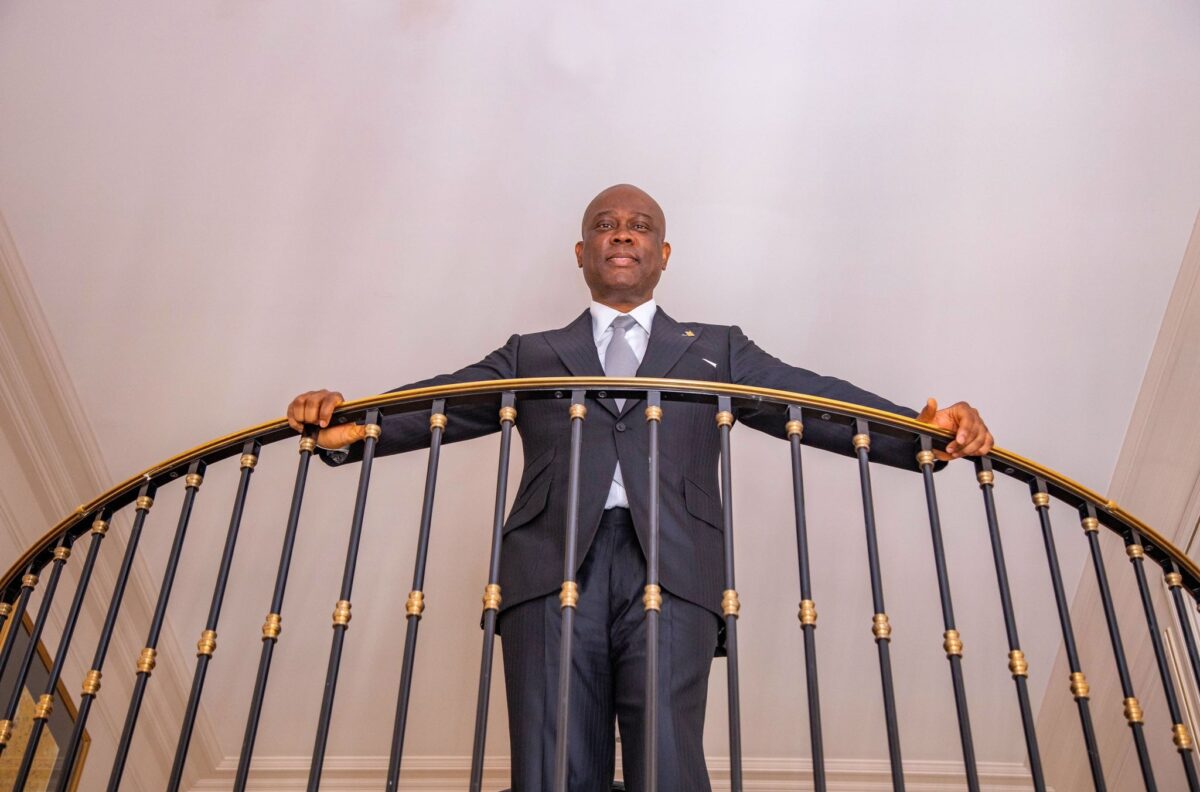
A fresh investigation by The Londoner has uncovered new details about the scale of foreign ownership in the UK capital, linking late Nigerian banking executive Herbert Wigwe to a vast portfolio of prime real estate across London.
The report, titled “Revealed: The billionaires who really own London,” sheds light on a previously opaque system where thousands of properties were held through offshore entities. At the centre of the revelations is Wigwe, who was ranked seventh among global billionaires with the highest number of properties in the city.
How UK law exposed hidden property owners
The investigation became possible following a major policy shift by the UK government, which now requires overseas entities to disclose their beneficial owners.
This legal change opened up access to records that had long been hidden behind shell companies in offshore jurisdictions. Using data compiled by tax expert Dan Neidle and his firm, Tax Policy Associates, journalists were able to trace ownership patterns across tens of thousands of properties.
According to the findings, a total of 32,611 properties in London are owned by overseas entities — many of them tied to wealthy individuals, governments, and investment firms from around the world.
Wigwe’s position among global property elites
Among those identified, Herbert Wigwe stood out for the scale of his holdings. The late banker was linked to 106 properties in London, placing him seventh on the global list of overseas real estate owners in the city.
Before his death in February 2024, Wigwe served as Group CEO of Access Holdings Plc, one of Nigeria’s largest financial institutions. His influence extended beyond banking into investments, philanthropy, and international business.
His inclusion in the list highlights the growing footprint of African wealth in global real estate markets, particularly in high-value cities like London.
Where these properties are located
The report reveals that many of the properties linked to overseas owners — including those tied to Wigwe — are situated in some of London’s most iconic and commercially valuable areas.
These include:
- Oxford Street
- Canary Wharf
- Greenwich Peninsula
Such locations are among the most sought-after real estate zones in Europe, attracting investors due to their commercial value, tourism appeal, and long-term asset growth potential.
Why offshore ownership became widespread
For years, wealthy individuals used offshore jurisdictions like Jersey to purchase UK property anonymously. These jurisdictions allowed buyers to set up shell companies that technically owned the assets, effectively shielding the real owners from public scrutiny.
This system made it difficult for regulators, journalists, and even the public to understand who truly owned large parts of London’s real estate.
The new transparency rules are now beginning to dismantle that secrecy, offering a clearer picture of global wealth flows into the UK property market.
What happens after Wigwe’s death?
Since Wigwe’s tragic death in a helicopter crash in the United States in February 2024, attention has shifted to the management of his estate. Reports indicate that his family has been involved in legal disputes over his assets, including his international investments.
The newly revealed property holdings could play a significant role in ongoing or future estate proceedings, given their scale and value.
What this means for London’s property market
The findings by The Londoner highlight the sheer scale of foreign ownership in London — and raise broader questions about housing affordability, transparency, and economic influence.
With over 32,000 properties tied to overseas entities, the report underscores how global wealth continues to shape the city’s real estate landscape. It also signals a turning point, as tighter regulations begin to expose ownership structures that were once hidden.