

Is hepatitis B vaccine still required at birth? Here’s what to know

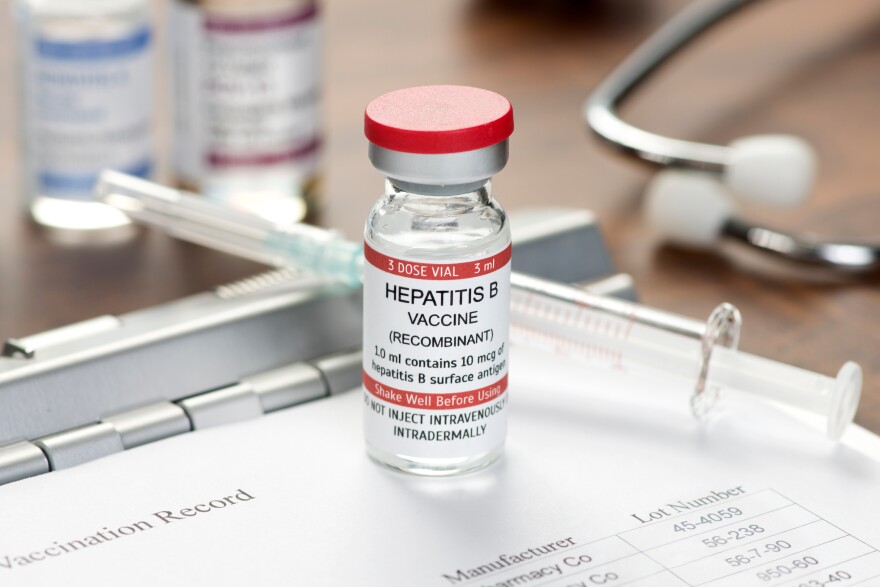
A major shift in America’s childhood vaccination landscape unfolded on Friday as a key federal advisory committee voted to end the long-standing recommendation that every newborn should receive a hepatitis B vaccine at birth. The decision, which came after tense debates and repeated failed attempts to reach consensus, marks one of the most dramatic policy reversals in decades for infant immunization.
For years, the hepatitis B shot has been part of the routine bundle of vaccines given within the first 24 hours of life. The virus, which can cause chronic liver disease, cirrhosis, and liver cancer, is particularly dangerous for infants who contract it early. Historically, universal vaccination was seen as a safeguard, especially in cases where a mother’s infection status was unknown or inaccurate.
However, the Advisory Committee on Immunization Practices (ACIP)—the body responsible for guiding the nation’s immunization policies—narrowly voted 8–3 to change course. Under the new guideline, only babies born to mothers who test positive for hepatitis B or whose status remains unconfirmed will automatically receive the shot at birth. For mothers who test negative, the committee recommended allowing parents to consult with healthcare providers and “decide when or if their child will” receive the vaccine.
This shift aligns closely with the long-held vision of Health Secretary Robert F. Kennedy Jr., who for years has pushed for a comprehensive overhaul of the country’s vaccine schedule. His viewpoints have been celebrated in some circles and sharply criticized in others, especially among public health experts who fear the implications of weakening long-term immunity strategies.
Friday’s meeting, held at CDC headquarters in Atlanta, drew unusual scrutiny. Several presenters and panel members have been publicly associated with anti-vaccine advocacy or ideological positions that challenge scientific consensus. Observers described the debate as unusually heated, with committee members clashing over scientific interpretations, public trust concerns, and the possible fallout of altering infant vaccination norms.
The decision triggered swift reactions across the public health community. Advocates of the policy change argue that it places parental choice at the center of newborn care and acknowledges that hepatitis B transmission risks are low for babies born to mothers who test negative. Critics, however, see the vote as a troubling sign of political influence overriding decades of scientific evidence.
Michael Osterholm, a well-known epidemiologist at the University of Minnesota, described the moment as “a turning point,” warning that the credibility of federal health institutions is being shaken. “We can no longer trust that these decisions are insulated from political pressure,” he said, noting that the internal dysfunction displayed during the voting process raises doubts about future immunization guidance.
The latest decision is widely expected to be the first of several sweeping revisions to the childhood vaccine schedule. The panel plans to review other routine immunizations in the coming months, signaling even more uncertainty for parents, pediatricians, and public health officials already navigating a complex era of medical skepticism.
As the nation braces for additional changes, the debate over whether this new policy empowers parents—or puts infants at greater long-term risk—remains fierce. For now, hospitals and insurance providers are working to determine what adjustments, if any, need to be made before the new recommendations take effect.
FAQ
1. What changed in the hepatitis B vaccination guideline?
The universal recommendation for all newborns to receive a hepatitis B shot at birth has been removed. Only infants born to infected or untested mothers will automatically receive the vaccine.
2. Does this mean the hepatitis B vaccine is no longer available for newborns?
No. Parents of babies born to hepatitis B–negative mothers can still choose to vaccinate at birth or at a later time after consulting healthcare providers.
3. Why did the committee vote for this change?
Supporters claimed the risk is low for babies of hepatitis B–negative mothers and emphasized parental decision-making. Critics argue that politics—not science—drove the shift.
4. Will insurance still cover hepatitis B vaccines for newborns?
Yes. Insurance coverage is not expected to change under the new policy.
5. Are more vaccine policy changes coming?
Yes. The committee is reviewing additional childhood vaccines and may introduce more adjustments in the coming months.