

Who is Judge Hannah Dugan, why was she convicted, and Why her Conviction is shaking U.S. Courts under Trump’s Immigration Crackdown?

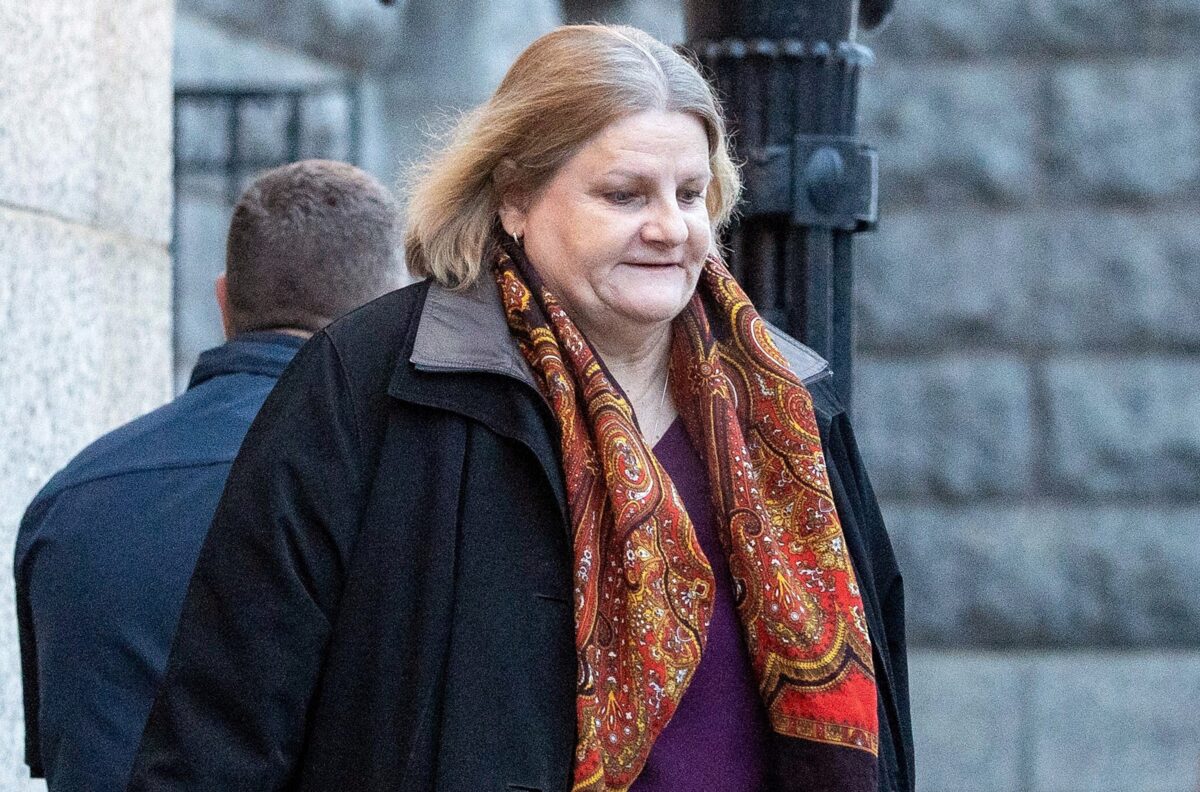
Judge Hannah Dugan was indicted on charges alleging she concealed a person from arrest and obstructed a proceeding before a department or agency of the United States. Image Credit: Jovanny Hernandez/Milwaukee Journal Sentinel via Imagn Images
The conviction of Milwaukee County Circuit Judge Hannah Dugan has become a defining legal flashpoint in the Trump administration’s intensified immigration enforcement strategy. Found guilty of felony obstruction of a federal proceeding, Dugan’s case marks the first time a sitting state judge has been criminally convicted for interfering with an immigration arrest, setting a precedent with far-reaching implications for the judiciary, federal authority, and courthouse enforcement nationwide.
The verdict underscores growing tensions between local courts and federal immigration agencies as courthouses increasingly become battlegrounds in the debate over immigration policy and judicial independence.
Who Is Judge Hannah Dugan?
Hannah Dugan, 66, was first elected to the Milwaukee County Circuit Court in 2016. Before taking the bench, she spent decades in public service, including leadership roles at Catholic Charities and earlier work with the Legal Aid Society of Milwaukee, representing low-income and vulnerable residents.
Known locally for her work in social justice and community advocacy, Dugan’s career trajectory made her prosecution particularly controversial, drawing protests and national scrutiny once federal charges were announced.
READ ALSO
Why is Judge James Boasberg at the center of a high-stakes court clash with Trump’s DOJ?
What Happened Inside the Milwaukee Courthouse
The case centers on events that occurred on April 18 during a routine misdemeanor court session. Federal agents from Immigration and Customs Enforcement (ICE) were positioned outside Dugan’s courtroom, planning to arrest Eduardo Flores-Ruiz, a Mexican national appearing on domestic violence charges.
Prosecutors alleged that upon learning of ICE’s presence, Dugan confronted the agents, directed them away from the courtroom, and then escorted Flores-Ruiz and his attorney through a non-public exit, allowing him to evade immediate arrest.
Flores-Ruiz was later apprehended outside the courthouse after a brief foot chase and subsequently deported.
The Charges and the Jury’s Split Verdict
Federal prosecutors charged Dugan with two counts:
- Felony obstruction of a federal proceeding
- Misdemeanor concealment of a person from arrest
After more than six hours of deliberation, the jury delivered a split verdict, convicting her on the felony obstruction charge while acquitting her of the misdemeanor count. Legal analysts say the conviction alone is significant, as it establishes criminal liability for judicial actions taken inside a courtroom.
Defense vs. Prosecution: Intent at the Center
At trial, prosecutors argued that Dugan knowingly and intentionally interfered with a lawful federal arrest, calling her actions deliberate and calculated.
The defense countered that Dugan was following internal courthouse guidance requiring staff to notify supervisors when ICE agents appear in court facilities. Her attorneys emphasized confusion surrounding ICE’s courthouse tactics and insisted she never intended to obstruct law enforcement. Dugan did not testify.
Why the Trump Administration Is Highlighting the Case
Justice Department officials framed the conviction as a warning that no public official is above federal immigration law, including judges. The Trump administration has increasingly used courthouses as enforcement venues, describing them as safer and more controlled environments for arrests.
Critics argue the strategy undermines trust in the justice system, discouraging immigrants and crime victims from appearing in court.
What Happens Next for Hannah Dugan
Dugan’s legal team has signaled plans to appeal the conviction, arguing that judicial immunity and the jury’s split verdict warrant dismissal. No sentencing date has yet been set, and the case is expected to continue through higher courts.
Regardless of the outcome, legal experts agree the ruling will influence how judges, court staff, and ICE agents interact nationwide.
FAQ
Who is Hannah Dugan?
Hannah Dugan is a Milwaukee County Circuit Court judge elected in 2016, with a background in legal aid and refugee resettlement work.
Why was Judge Hannah Dugan charged?
She was charged for allegedly helping a defendant evade an ICE arrest by redirecting federal agents and escorting the defendant through a private courthouse exit.
What was the verdict in the Hannah Dugan case?
A federal jury convicted Dugan of felony obstruction of a federal proceeding but acquitted her of a lesser misdemeanor charge.
Is this the first case of its kind?
Yes. This is the first known case where a state judge was tried and convicted for obstructing federal immigration enforcement.
Did Hannah Dugan help someone escape arrest?
Prosecutors say yes. The defense argues she followed courthouse policy and did not intend to interfere.
What does the conviction mean for other judges?
The ruling signals that judges may face criminal liability if they interfere with federal law enforcement actions, even inside courtrooms.
Will Hannah Dugan go to prison?
Sentencing has not yet been scheduled. Her legal team is expected to pursue appeals that could delay or overturn the conviction.
How does this affect immigration arrests in courthouses?
The case strengthens the federal government’s authority to conduct immigration arrests in courthouses, despite opposition from local officials.