

Is the H-1B Visa Lottery dead? Trump Administration unveils Major Shake-Up that favors high-paid workers

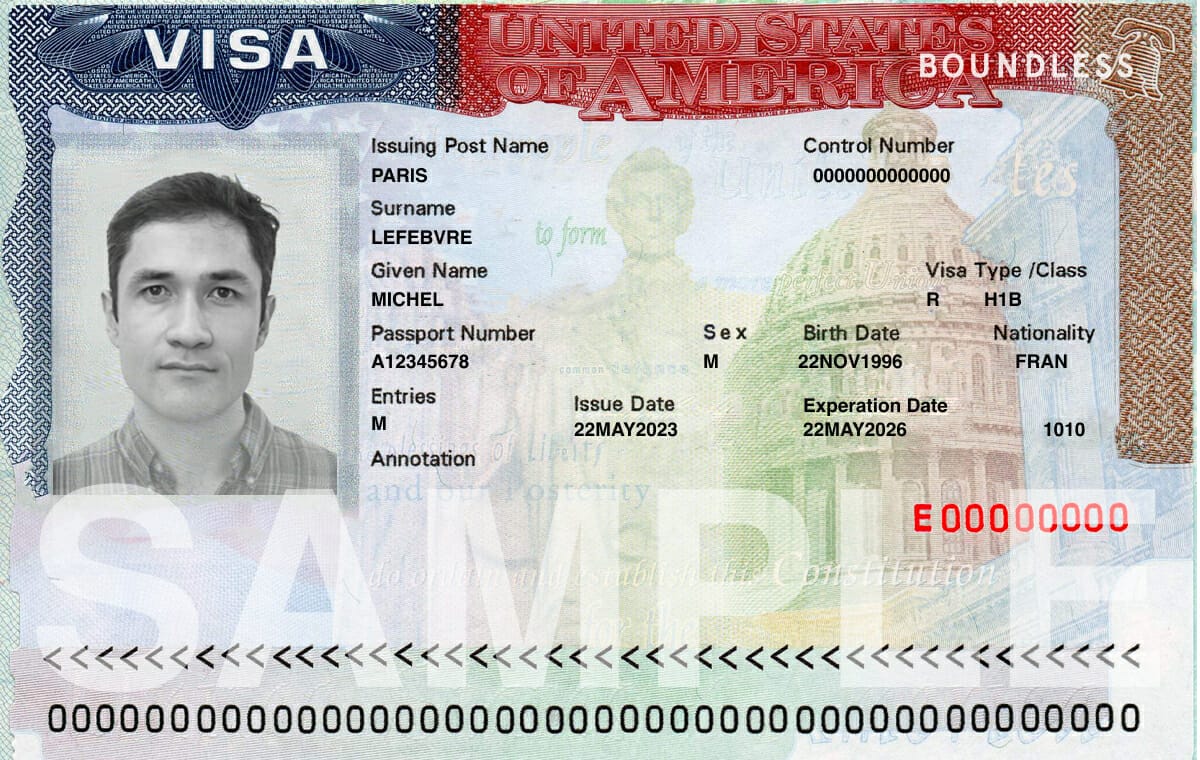
H-1B visa lottery replaced under new U.S. immigration rules
The U.S. government is making one of the most sweeping changes to the H-1B visa program in decades, replacing the long-standing lottery system with a new selection process that prioritizes higher-paid and more highly skilled foreign workers.
The Department of Homeland Security (DHS) announced Tuesday that the random lottery used to allocate H-1B visas will be scrapped, marking a significant shift in how America admits foreign professionals. The change, driven by the Trump administration’s broader immigration agenda, will take effect on February 27, 2026, just ahead of the next H-1B cap registration season.
What Is Changing in the H-1B Visa System?
For years, H-1B visas have been distributed through a lottery, due to demand far exceeding supply. Each year, the U.S. issues 65,000 standard H-1B visas, plus 20,000 additional visas for applicants with a U.S. master’s degree or higher.
Under the new rule, the lottery will be replaced with a weighted selection process. According to DHS, this approach will increase the chances of approval for higher-paid, higher-skilled foreign workers, rather than awarding visas at random.
U.S. Citizenship and Immigration Services spokesman Matthew Tragesser said the old system was frequently abused.
“The existing random selection process of H-1B registrations was exploited and abused by U.S. employers who were primarily seeking to import foreign workers at lower wages,” Tragesser said.
READ ALSO
Will Trump’s $100,000 H-1B visa fee kill tech jobs or protect US workers?
Why the Trump Administration Is Ending the H-1B Visa Lottery
The overhaul aligns with President Donald Trump’s broader push to reshape legal immigration. The administration argues that the H-1B program drifted away from its original purpose of filling specialized, high-skill labor gaps and instead became a tool for importing cheaper labor.
Earlier in 2025, Trump signed a proclamation imposing a $100,000 annual fee per H-1B visa, a move that is currently being challenged in court. The administration has also introduced a controversial $1 million “gold card” visa, offering wealthy individuals a pathway to U.S. citizenship.
DHS says the new H-1B selection model is designed to protect U.S. wages, discourage outsourcing, and reward employers willing to pay top dollar for global talent.
Who Benefits, and Who Loses, from the New H-1B Visa Rules?
Potential Winners
- Highly paid professionals in tech, engineering, medicine, and research
- Employers seeking senior-level or niche expertise
- Elite global talent with strong salary offers
Potential Losers
- Entry-level foreign workers
- Outsourcing firms that rely on lower-wage H-1B labor
- Smaller companies unable to afford higher salaries or visa fees
Historically, companies like Amazon, Microsoft, Apple, Google, and Tata Consultancy Services have been among the top recipients of H-1B visas. California remains the state with the highest concentration of H-1B workers.
Supporters Say H-1B Visa Drive Innovation
Supporters of the program argue that H-1B visas are essential to U.S. innovation and economic growth, particularly in sectors like healthcare, education, and advanced technology.
They warn that pricing out skilled workers could worsen talent shortages, especially in areas where domestic labor supply cannot meet demand.
Critics Say the Program Was Exploited
Critics, however, say the old system allowed companies to classify highly experienced workers as entry-level, suppressing wages and displacing American workers. They argue the weighted system corrects this imbalance by making salary a key factor.
The debate has intensified as the U.S. simultaneously tightens legal immigration while facing labor shortages across multiple industries.
What Happens Next?
The new H-1B selection process will apply to the 2026 cap season, meaning employers and applicants must prepare for a dramatically different system. Legal challenges to the $100,000 fee could also shape how the policy is implemented.
For now, one thing is clear: the era of the H-1B lottery is coming to an end.
FAQ: H-1B Visa Changes Explained
Is the H-1B visa lottery officially ending?
Yes. The U.S. government is replacing the lottery with a weighted selection system starting in 2026.
When will the new H-1B rules take effect?
The changes take effect on February 27, 2026, ahead of the next registration cycle.
How will H-1B visas be selected now?
Visas will be prioritized based on skill level and offered salary, rather than random selection.
Is there a new H-1B visa fee?
Yes. The Trump administration imposed a $100,000 annual fee per visa, though it is currently facing legal challenges.
Who benefits most from the new system?
Highly skilled, high-paid professionals and employers offering competitive wages.
Will entry-level workers still qualify for H-1B visas?
They may qualify, but their chances will be significantly lower under the new system.
How many H-1B visas are issued each year?
65,000 standard visas, plus 20,000 for applicants with advanced degrees.
Does this affect current H-1B holders?
No immediate changes apply to existing visa holders, but renewals and future applications could be affected.