

“Betrayal of Britain”: Gordon Brown explodes over Mandelson’s Epstein links and secret leaks

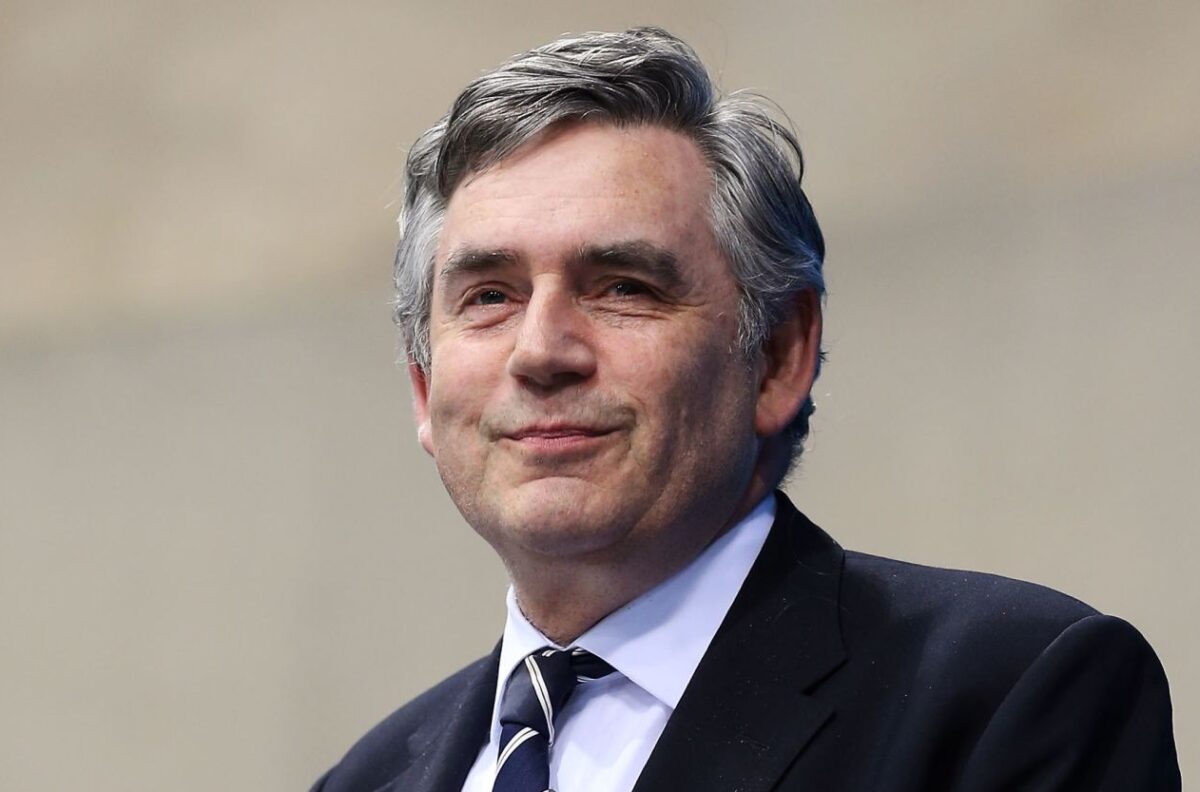
Gordon Brown. Image Credit: Getty Images
Former UK prime minister Gordon Brown has delivered his strongest public rebuke yet of ex-cabinet colleague Peter Mandelson, accusing him of a “betrayal of his country” following revelations contained in the newly released Jeffrey Epstein files. The disclosures, which detail alleged exchanges of sensitive government information between Mandelson and the disgraced financier, have reignited political and ethical debates at the highest levels of British public life.
Speaking after the publication of leaked emails, Brown warned that Mandelson’s actions may have placed Britain’s economy, currency, and global financial standing at risk during one of the most fragile moments in modern history, the aftermath of the 2008 global financial crisis.
Gordon Brown’s Stark Accusation: “Britain Was at Risk”
Brown, who served as prime minister during the financial crash, said the information allegedly shared was commercially sensitive and financially secret, stressing that it could have enabled speculative trading against the UK.
“All of the information he passed on was commercially sensitive,” Brown said. “It meant that Britain was at risk. The currency was at risk.”
The former Labour leader added that “huge commercial damage could have been done, and perhaps was done”, marking one of the most severe criticisms he has ever levelled against a former ally.
What the Epstein Files Reveal About Mandelson
Emails released as part of the Epstein files appear to show Lord Mandelson briefing Jeffrey Epstein on confidential UK and EU discussions, including advance notice of a €500 billion EU bank bailout in 2010.
The documents also suggest Mandelson discussed efforts to change government policy on bankers’ bonuses, shortly before then-chancellor Alistair Darling announced a 50% super tax aimed at curbing excessive payouts linked to taxpayer bailouts.
Further revelations indicate Epstein may have sent money to Mandelson and his partner, intensifying scrutiny around the relationship.
READ ALSO
Police Investigation and Property Searches
The Metropolitan Police confirmed it has concluded searches of two Mandelson properties, one in Camden, north London, and another in Wiltshire, as part of a complex investigation into alleged misconduct in public office.
Authorities have stressed that the inquiry will require “significant further evidence gathering and analysis”, underlining the seriousness of the allegations.
Gordon Brown: “The Biggest Betrayal Was of Epstein’s Victims”
While condemning the alleged economic risks, Brown said the deepest betrayal extended beyond government, describing the treatment of Epstein’s victims as the gravest moral failure.
“The biggest betrayal was of the women and girls that were trafficked, exploited, and treated as less than human,” he said.
Brown admitted he had made mistakes by reinstating Mandelson into government after earlier resignations under Tony Blair, stating plainly: “I regret it. It shouldn’t have happened.”
Starmer, Vetting Failures, and Political Fallout
Brown also weighed in on current prime minister Sir Keir Starmer’s decision to appoint Mandelson as UK ambassador to the US last year, calling it “the wrong decision” but insisting Starmer himself was misled.
He attributed the controversy to a systemic failure in vetting, noting that Mandelson had previously appeared to have an unblemished public record and that Epstein’s notoriety was not widely known within government circles at the time.
Despite the scandal, Brown described Starmer as a leader of “integrity”, attempting to draw a line between individual judgment errors and broader political responsibility.
A Scandal With Lasting Implications
As investigations continue and political scrutiny intensifies, the Mandelson-Epstein revelations represent one of the most serious post-crisis controversies involving senior UK leadership. With questions now extending into national security, ethical governance, and institutional oversight, Gordon Brown’s intervention has ensured the issue will remain firmly in the public spotlight.
FAQ
Who is Gordon Brown?
Gordon Brown is a former UK prime minister who led the country during the 2008 global financial crisis and previously served as chancellor of the exchequer.
What did Gordon Brown say about Peter Mandelson?
Brown accused Mandelson of a “betrayal of his country”, claiming he allegedly shared commercially sensitive government information with Jeffrey Epstein.
What information was Mandelson accused of leaking?
The Epstein files suggest Mandelson may have disclosed advance details of EU bank bailouts and internal UK discussions on bankers’ bonuses.
Is Peter Mandelson under criminal investigation?
Yes. The Metropolitan Police are investigating possible misconduct in public office and have searched two of Mandelson’s properties.
Did Mandelson deny wrongdoing?
Mandelson has previously denied wrongdoing, saying he regrets his association with Epstein and has apologized to Epstein’s victims.
How does this affect the UK economy?
Brown warned that leaking sensitive financial information could have exposed Britain to speculative trading and economic instability.
What did Brown say about Keir Starmer?
Brown said Starmer was misled in appointing Mandelson as ambassador and blamed systemic vetting failures rather than personal misconduct.
Are the Epstein files still being reviewed?
Yes. Authorities say further analysis and evidence gathering are ongoing.