

Did Germany reject Fani-Kayode as Ambassador? Former Minister breaks silence on viral report, calls it ‘fake news’

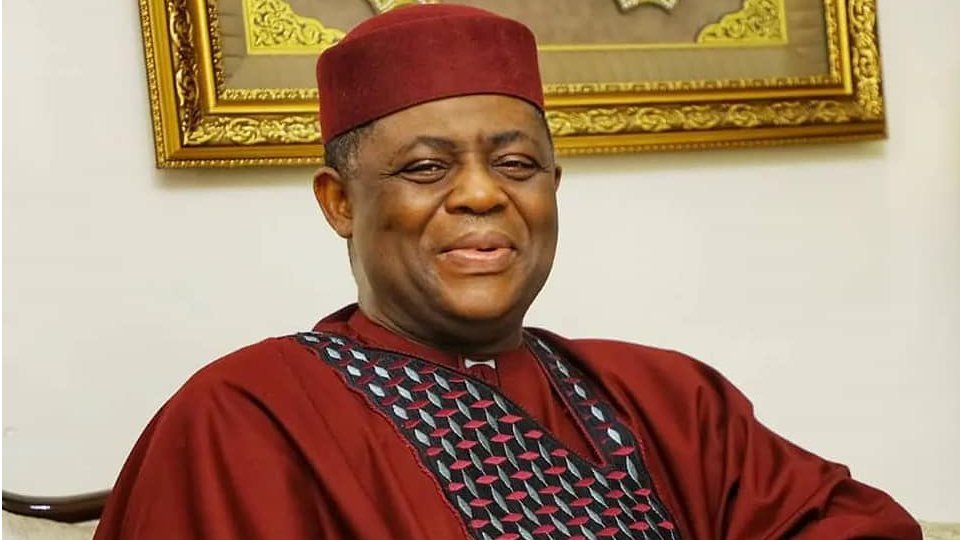
Fani-Kayode denies Germany ambassadorial rejection report
Fresh controversy has erupted around Germany and Nigeria’s diplomatic appointments after former Aviation Minister Femi Fani-Kayode strongly denied reports claiming that the German government rejected his nomination as Nigeria’s ambassador.
The reports, which circulated widely on social media and were amplified by online platforms, alleged that Germany had declined to accept Fani-Kayode’s ambassadorial posting, reportedly over past controversial remarks. But the former minister has now dismissed the claim as “fake news”, insisting that political opponents are behind what he described as a coordinated disinformation campaign.
The development has quickly become one of the most talked-about political stories in Nigeria, not only because of the diplomatic implications involving Germany, but also because it feeds into the broader build-up to the 2027 general elections and growing tensions within the country’s political landscape.
Fani-Kayode Denies Germany Rejected His Ambassadorial Appointment
Former Minister of Aviation Femi Fani-Kayode has publicly rejected claims that Germany refused to accept him as Nigeria’s ambassador-designate.
The controversy began after an online report claimed the German authorities had allegedly turned down his appointment. The claim spread rapidly, especially on X (formerly Twitter) and other social media platforms, prompting a swift response from the former minister.
Reacting via social media, Fani-Kayode described the reports as false and politically motivated, saying his opponents were trying to undermine his diplomatic nomination. He insisted that the story was fabricated to tarnish his image and derail his expected role.
In his response, he maintained that he remains committed to serving Nigeria, and said those behind the reports were pained by his appointment and determined to discredit him.
What the Reports Claimed About Germany and the Ambassadorial Posting
The original claim suggested that Germany had rejected Fani-Kayode’s posting as Nigeria’s ambassador, with some versions alleging that the decision was linked to his past public comments and controversial statements.
Although those allegations generated significant debate online, no official statement from the German government has been confirmed.
This is an important distinction for readers, as of the reports cited, the central fact available in the public domain is that Fani-Kayode has denied the story, while the rejection claim itself remains part of an unverified media and social media narrative within the supplied sources.
READ ALSO
Why India may reject Tinubu’s ambassador — What it means for Nigeria’s diplomatic appointments
Punch Report Links the Germany Story to Wider 2027 Political Tensions
In a broader political statement reported by Punch, Fani-Kayode argued that the controversy is part of a deliberate opposition strategy aimed at destabilising the ruling All Progressives Congress (APC) ahead of the 2027 presidential election.
He accused opposition figures of spreading fake news to create panic within government circles and sow division among supporters of President Bola Tinubu. According to him, the aim is to weaken confidence in the APC and create internal distrust as the next election cycle approaches.
He also referenced what he called a pattern of recurring misinformation involving politicians and political alignments, saying new claims surface daily to distract, divide and inflame tensions.
This framing transforms the Germany ambassadorial controversy from a purely diplomatic story into a high-stakes political narrative, one that intersects with campaign positioning, party loyalty and the early battle lines for 2027.
Why the Germany Ambassadorial Story Is Gaining Attention
The mention of Germany in this controversy has made the story especially significant for several reasons.
First, Germany is one of Europe’s most influential countries, and any report suggesting a diplomatic rejection naturally attracts public interest and international attention. Second, ambassadorial appointments are often seen as a reflection of both domestic political calculations and Nigeria’s foreign policy priorities. Third, Fani-Kayode is a high-profile and polarising political figure, meaning any diplomatic controversy involving him is almost guaranteed to trend.
In the age of viral headlines, stories involving Germany, diplomacy, and a politically controversial appointee are especially likely to gain traction on Google Discover, social media feeds and political blogs.
Political Fallout and Public Reactions
The controversy is likely to fuel further debate about Nigeria’s ambassadorial nominations, the role of political loyalty in diplomatic appointments, and how viral misinformation can shape public perception.
Supporters of Fani-Kayode are likely to echo his claim that the story is part of a smear campaign, while critics may continue to question whether the nomination itself could trigger diplomatic discomfort abroad.
Either way, the Germany-Fani-Kayode ambassador story has now become more than a diplomatic rumour, it is a flashpoint in Nigeria’s increasingly heated political environment.
As the 2027 election season gradually takes shape, similar narratives involving foreign governments, ambassadorial appointments and party infighting may become even more common.
FAQ
1. Did Germany reject Femi Fani-Kayode as Nigeria’s ambassador?
Based on the provided reports, there is no official confirmation from Germany that it rejected Femi Fani-Kayode’s appointment. What is confirmed is that Fani-Kayode publicly denied the viral reports, calling them fake news and politically motivated.
2. What did Fani-Kayode say about the Germany rejection report?
Fani-Kayode dismissed the report as false, saying political opponents were trying to discredit him and undermine his appointment. He insisted that those behind the story were pained by his nomination and determined to stop him from serving.
3. Why is Germany trending in Nigerian political news?
Germany is trending because of viral claims that it allegedly rejected Fani-Kayode’s ambassadorial appointment. The story gained traction due to Fani-Kayode’s high-profile status, the diplomatic angle, and the political implications ahead of the 2027 elections.
4. Was Fani-Kayode officially appointed ambassador to Germany?
The provided reports suggest he was described as an ambassador-designate, with one report noting he had been approved for posting to a Central European country. However, the exact status of the posting remains unclear from the supplied material alone.
5. Did the German government issue an official statement?
In the reports provided, no official statement from the German government was cited. This is why the story should be treated carefully and reported as a disputed claim rather than a confirmed diplomatic rejection.
6. Why are people searching “Germany rejects Fani-Kayode”?
People are searching the phrase because it combines three highly clickable news triggers: Germany, a major foreign power; Fani-Kayode, a controversial political figure; and ambassadorial rejection, which suggests international embarrassment or diplomatic conflict.
7. What role does the 2027 election play in this controversy?
Fani-Kayode linked the story to what he described as a broader opposition strategy to spread misinformation, create panic in the APC, and weaken confidence in President Tinubu’s camp before the 2027 general election.
8. Is the report about Germany rejecting Fani-Kayode verified?
No, not from the provided reports. The available sources document the claim and the denial, but do not include official verification from German authorities. That means the rejection story remains unconfirmed.
9. Why is this story important for Nigeria-Germany relations?
If such a rejection were officially confirmed, it could raise questions about Nigeria’s diplomatic vetting process and bilateral optics. But as things stand, the bigger issue is the public perception of the story and how it affects political narratives at home.