

Gas prices surge across U.S. as Middle East war sends oil above $100: Drivers face biggest spike in years

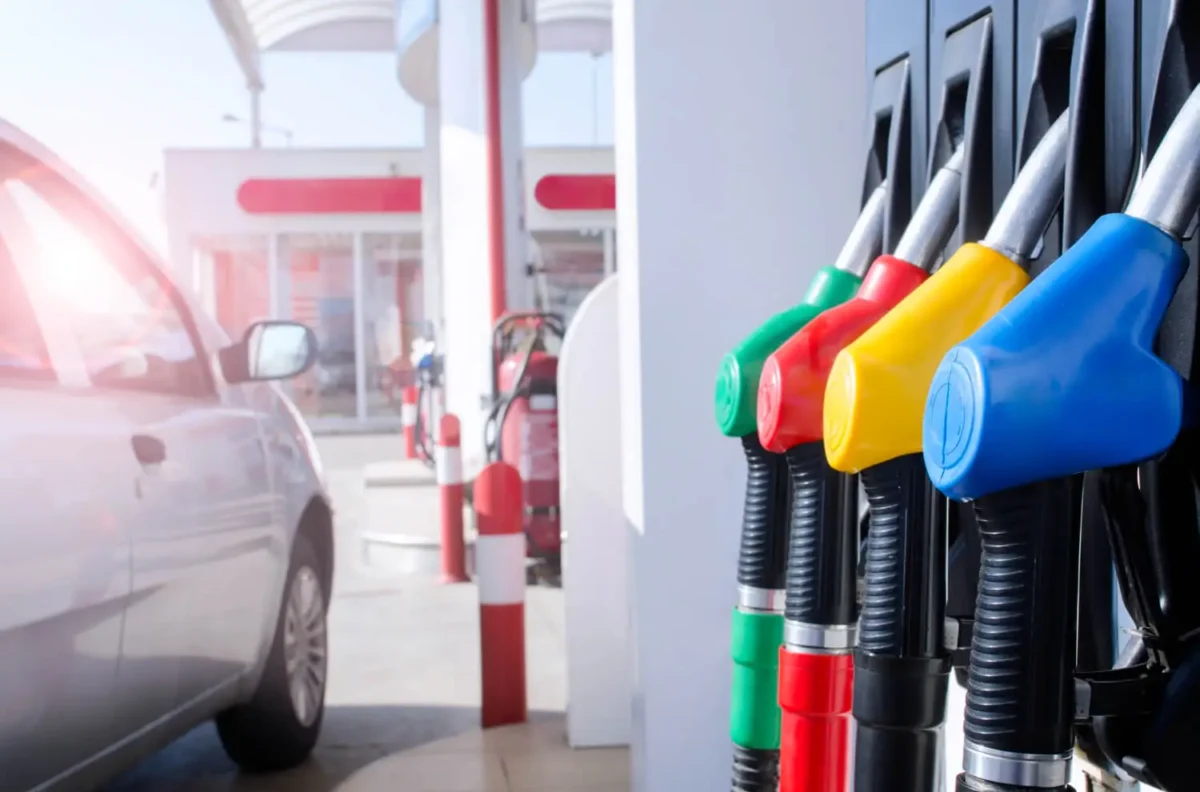
Drivers fill up at a gas station as rising gas prices push fuel costs higher.
Gas prices across the United States are climbing rapidly as tensions in the Middle East disrupt global oil markets and spark fears of supply shortages. Drivers are already seeing the impact at the pump, with gasoline costs rising sharply in many cities.
According to the American Automobile Association (AAA), the national average for gasoline has reached $3.48 per gallon, marking a 17% increase since the conflict began on February 28. The sudden spike follows escalating military strikes involving United States, Israel, and Iran, which have rattled global energy markets.
With oil prices climbing above $100 per barrel for the first time since 2022, experts warn that fuel costs could continue rising in the coming weeks.
Nashville Gas Prices Jump as Energy Markets React
The surge is already affecting cities across the country. In Nashville, average gasoline prices reached $3.01 per gallon, a sharp increase compared with the $2.58 low recorded in December.
While Nashville’s prices remain below the national average, the sudden increase reflects broader volatility in energy markets triggered by geopolitical tensions.
Analysts say spikes like this can quickly impact consumer spending and public sentiment about the economy, as gasoline is one of the most visible costs households face.
Oil Prices Cross $100 Per Barrel Amid War Fears
One of the biggest drivers behind the gasoline surge is the sudden increase in crude oil prices.
Oil recently climbed above $100 per barrel, a milestone not seen since 2022. Traders have been reacting to concerns that escalating military action could disrupt shipments from the Persian Gulf, a region responsible for a large share of the world’s oil supply.
Experts estimate that roughly one-fifth of global oil supply normally flows through the region, meaning even small disruptions can cause large price swings worldwide.
Some oil tankers have already slowed or halted travel through key routes, adding further pressure to global energy markets.
READ ALSO
Biggest Gas Price Spike Since 2022
Industry analysts say the recent surge represents one of the fastest increases in years.
Data from Gas Buddy shows that March 3 marked the biggest single-day jump in gasoline prices since 2022.
Patrick De Haan, an analyst with GasBuddy, said the sudden market reaction reflects investor fears that the conflict could expand or last longer than expected.
Even if the fighting remains contained, traders are pricing in potential disruptions to oil production and transportation routes.
Experts Predict Higher Prices in Coming Weeks
Energy analysts say motorists may not have seen the worst yet.
Tom Kloza, a longtime oil market expert now with Gulf Oil, predicts the national average could climb to around $3.50 per gallon in the near future.
Fuel prices typically lag behind oil prices by several days to a week. That means the recent spike in crude costs will likely continue filtering through to gas stations across the country.
Refineries must pay higher prices for crude oil, and those costs eventually reach consumers through higher gasoline prices.
Why Gas Prices Vary Across States
Even though global oil prices influence gasoline costs everywhere, drivers pay significantly different prices depending on where they live.
Taxes, transportation costs, and refining capacity all play a role.
For example, drivers in California recently paid an average of $5.20 per gallon, the highest in the country. Meanwhile, motorists in Kansas paid around $2.92 per gallon, among the lowest prices nationwide.
These differences reflect varying state fuel taxes, environmental regulations, and proximity to oil refineries.
Rising Fuel Costs Could Impact the Economy
The ripple effects of higher oil prices extend far beyond gasoline.
Increased crude costs also raise prices for diesel, jet fuel, and agricultural fuel, which can push up transportation and food costs.
Economists warn that sustained high energy prices could influence inflation and consumer spending, particularly if geopolitical tensions remain unresolved.
For now, the global oil market remains highly sensitive to developments in the Middle East, meaning drivers may continue to see fluctuating prices at the pump in the weeks ahead.
FAQ
Why are gas prices rising in the United States?
Gas prices are rising mainly because of escalating tensions in the Middle East, which have pushed global oil prices above $100 per barrel. Concerns about disruptions to oil supplies are causing fuel costs to increase.
How much have gas prices increased recently?
The national average price for gasoline has reached about $3.48 per gallon, representing roughly a 17 percent increase since the conflict began in late February.
Why does war affect gas prices?
War in oil-producing regions can disrupt supply chains, shipping routes, and production. When global oil supply becomes uncertain, prices increase in international markets, which eventually raises gasoline prices for consumers.
Why are oil prices above $100 per barrel?
Oil prices have surged due to fears that fighting could interrupt crude shipments from the Persian Gulf, a major hub for global oil exports.
Which states have the highest gas prices in the U.S.?
California currently has some of the highest gasoline prices due to state taxes, environmental regulations, and refining costs.
Which states have the lowest gas prices?
States such as Kansas and several others in the Midwest often have lower gas prices due to lower taxes and proximity to refineries.
Will gas prices continue rising in 2026?
Energy analysts expect prices could climb further in the short term if oil prices remain elevated or if the Middle East conflict continues to disrupt supply.
Why do gas prices change daily?
Gas prices fluctuate due to oil price changes, refinery production costs, supply levels, taxes, and transportation expenses.
How long does it take for oil price changes to affect gas prices?
Gasoline prices usually respond to oil price increases within several days to about a week, as refineries and distributors adjust their prices.
How do rising gas prices affect the economy?
Higher fuel costs can increase transportation and shipping expenses, which may lead to higher prices for goods, food, and services across the economy.