

Flamingo Land Loch Lomond resort rejected: Scottish Government blocks £40m mega development

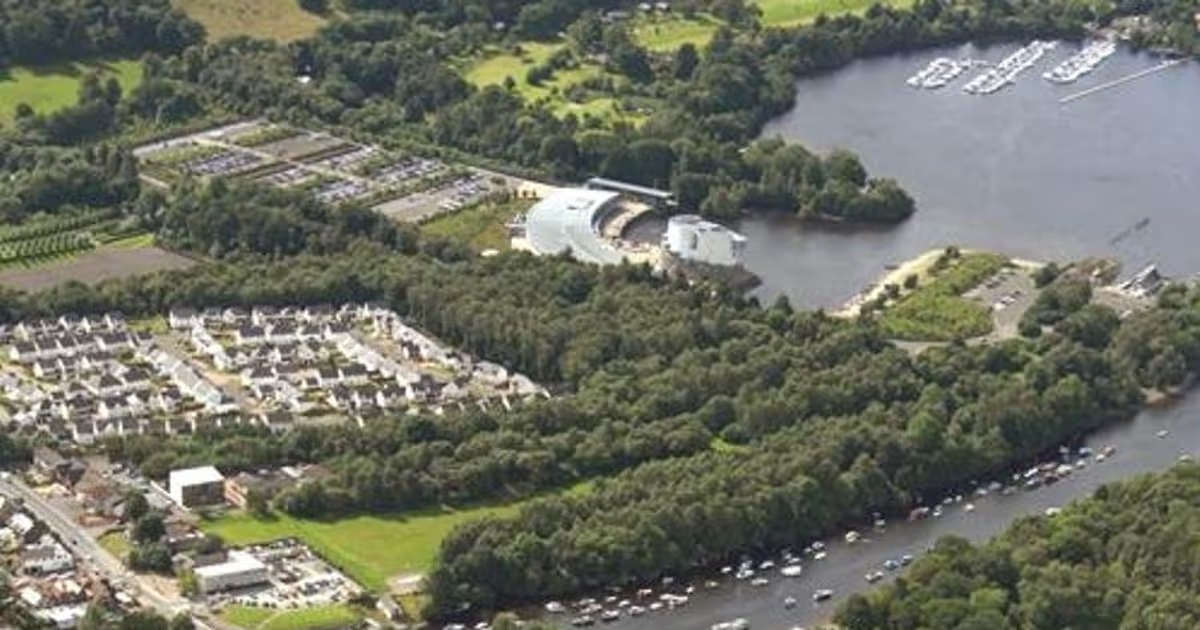
Flamingo Land Loch Lomond
Controversial plans to build a £40 million Flamingo Land resort on the banks of Loch Lomond have been formally rejected by the Scottish government, ending years of heated debate over one of Scotland’s most high-profile planning disputes.
Ministers ruled that the proposed Lomond Banks development failed to comply with environmental and planning policies, citing flood risk, loss of ancient woodland, and wider policy conflicts. The decision blocks the Yorkshire-based theme park operator from building a large-scale leisure complex in the heart of one of Scotland’s most iconic landscapes.
The move follows sustained opposition from local residents, environmental groups and politicians who argued the project would cause irreversible environmental damage.
Why Was Flamingo Land Rejected at Loch Lomond?
The proposed resort,led by Flamingo Land under its Lomond Banks brand, aimed to transform land at Balloch, West Dunbartonshire, within Loch Lomond and the Trossachs National Park.
Plans included:
- More than 100 holiday lodges
- Two hotels
- A water park
- A monorail
- Restaurants and retail space
- Over 300 car parking spaces
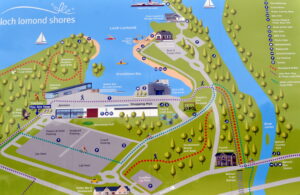
However, Scottish ministers determined the development posed “substantial concerns relating to flood risk”, particularly due to the nearby River Leven. They also raised objections over the extent and location of woodland loss, including historic and ecologically sensitive areas.
Although the government-appointed planning reporter had recommended approval, ministers described their final ruling as a “finely balanced decision”, concluding that environmental risks outweighed projected economic benefits.
Years of Planning Battles and Appeals
The Flamingo Land proposal dates back to 2018. Initial plans were withdrawn after significant public backlash. Revised proposals were later submitted in 2020.
In September 2024, the Loch Lomond and The Trossachs National Park Authority unanimously rejected the application, stating it conflicted with regional and national environmental policy.
An appeal to the Scottish government initially overturned that decision. However, the plans were subsequently “recalled” by ministers, meaning the final determination rested at government level.
On Tuesday, ministers dismissed the appeal and refused planning permission in principle, effectively reinstating the National Park Authority’s original rejection.
Political and Community Reaction
Scottish Greens co-leader Ross Greer, a vocal opponent of the development, described the ruling as a “huge victory for the local community.”
More than 150,000 objections were reportedly lodged against the project, making it one of the most objected-to planning applications in Scottish history.
Greer argued that the resort would have led to heavy traffic congestion along the A82 and harmed the area’s natural beauty.
“This community and the people of Scotland have told you time and again that your destructive plans are not welcome,” he said.
Environmental organisations, including the National Trust for Scotland, the Woodland Trust, the Ramblers and Sepa, had also raised concerns.
READ ALSO
Developers ‘Extremely Disappointed’
Developers behind Lomond Banks said they were “extremely disappointed” by the government’s decision.
Jim Paterson, development director for Lomond Banks, stated that the project would have delivered jobs, regeneration and long-term economic benefits to Balloch and surrounding communities.
He said the independent planning reporter had recognised the socioeconomic advantages of the proposal and suggested environmental concerns could be addressed through mitigation and further technical assessments.
The company has indicated it will now review the decision and consider its options. While ministers’ decisions are final, they can be legally challenged through the Court of Session within six weeks.
Economic Benefits vs Environmental Protection
In its formal letter, the Scottish government acknowledged there were “significant socio-economic benefits” associated with the development.
However, ministers concluded that those benefits did not outweigh the policy conflicts tied to flood risk, woodland protection and biodiversity.
They also highlighted the “unique nature of the site” within the national park, stressing the statutory duty to conserve and enhance Scotland’s natural and cultural heritage.
Heather Reid, convener of the National Park Authority, welcomed the decision, saying it aligned with the long-term vision of ensuring that “people and nature not only coexist, but thrive together.”
What Happens Next?
There is now a six-week window during which Flamingo Land or other parties could mount a legal challenge.
For now, however, the rejection represents a decisive moment in a saga that has stretched nearly a decade and captured national attention.
The decision underscores the Scottish government’s position on applying National Planning Framework 4 policies, particularly regarding flood resilience, woodland conservation and biodiversity protection.
FAQ: Flamingo Land Loch Lomond Decision
What is Flamingo Land?
Flamingo Land is a UK-based theme park and holiday resort operator based in Yorkshire. It operates a theme park, zoo and holiday village in North Yorkshire.
What was planned for Loch Lomond?
The Lomond Banks proposal included holiday lodges, two hotels, a water park, a monorail, restaurants and over 300 parking spaces near Balloch within Loch Lomond and the Trossachs National Park.
Why was Flamingo Land rejected?
Scottish ministers rejected the development due to flood risk concerns, loss of woodland, biodiversity impact and conflicts with national planning policies.
Did the planning reporter recommend approval?
Yes. A government-appointed planning reporter recommended approval, but ministers ultimately disagreed and dismissed the appeal.
How many people objected to the development?
More than 150,000 objections were submitted, making it one of Scotland’s most objected-to planning proposals.
Can Flamingo Land appeal the decision?
While the ministers’ decision is final, it can be legally challenged in the Court of Session within six weeks.
Where was the resort going to be built?
The proposed site was at Balloch, West Dunbartonshire, within Loch Lomond and the Trossachs National Park.
What did supporters argue?
Supporters claimed the project would bring jobs, tourism growth, regeneration and economic investment to the local area.
What did opponents argue?
Opponents said the development would damage an iconic landscape, increase traffic congestion and pose flooding risks.