

Federal Judge blocks Trump’s $100,000 H-1B Visa Fee: Major win for skilled foreign workers and U.S. employers

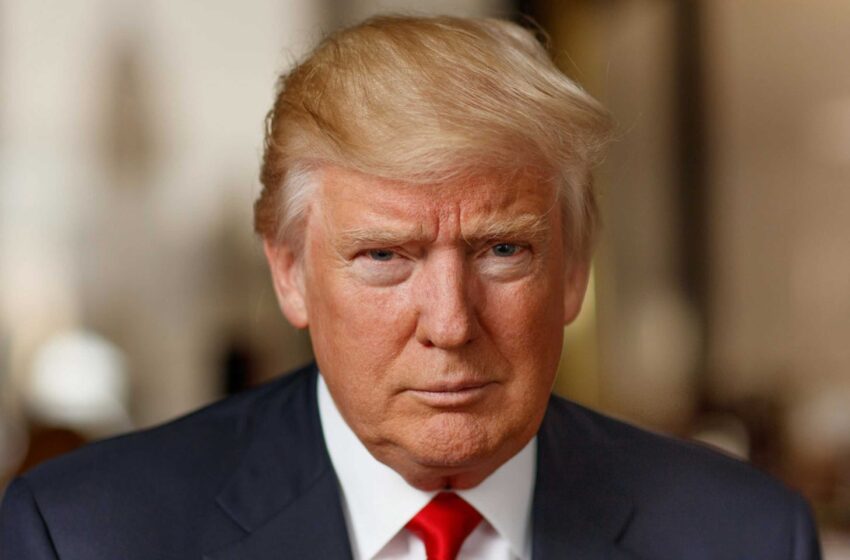
Donald Trump. Picture: David Hume Kennerly/Getty Images
A federal judge has struck down one of the Trump administration’s most controversial immigration measures, ruling that a newly imposed $100,000 fee on H-1B visa petitions was unlawful and exceeded presidential authority.
The decision, handed down Monday by U.S. District Judge Leo Sorokin in Massachusetts, represents a significant victory for businesses, universities, healthcare providers, and thousands of skilled foreign workers who rely on the H-1B visa program to work legally in the United States.
The ruling immediately nullifies a policy that critics argued would have severely restricted access to skilled international talent and worsened labor shortages across several key sectors of the U.S. economy.
Federal Judge Rules Trump Administration Exceeded Its Authority
Judge Sorokin ruled that the Trump administration lacked the legal authority to impose a $100,000 charge on employers seeking H-1B visas for foreign workers.
In his 42-page opinion, the judge concluded that the fee functioned as a tax and that only Congress has the constitutional authority to create such a financial requirement.
The court rejected the administration’s argument that the payment was merely a regulatory fee designed to oversee the visa system.
According to the ruling, federal immigration laws do not grant the president the power to unilaterally impose taxes or similar financial burdens on visa applicants and sponsoring employers.
As a result, the policy was struck down “in its entirety.”
What Was Trump’s $100,000 H-1B Visa Fee Policy?
The policy was introduced in September 2025 as part of broader efforts by the Trump administration to reduce legal immigration and encourage companies to hire more American workers.
The measure required employers to pay a staggering $100,000 fee for each H-1B visa petition, a dramatic increase compared to existing filing costs.
President Donald Trump argued that the H-1B program had been abused by companies seeking cheaper labor and claimed the fee would encourage businesses to prioritize domestic hiring.
However, employers across industries warned that the cost would make hiring specialized foreign talent financially impossible.
Why the H-1B Visa Program Matters
The H-1B visa program allows U.S. employers to hire foreign professionals in specialized fields requiring advanced knowledge and education.
Industries that frequently rely on H-1B workers include:
- Technology
- Engineering
- Healthcare
- Finance
- Scientific Research
- Higher Education
Approximately 85,000 new H-1B visas are issued annually through a lottery-based system.
Many economists and business leaders argue that the program helps address workforce shortages and supports innovation, particularly in sectors facing shortages of qualified domestic workers.
States Challenged the Policy in Court
The legal challenge was brought by a coalition of 20 Democratic attorneys general who argued that the policy would create severe workforce shortages and harm state economies.
The lawsuit contended that the fee would discourage employers from hiring critical workers, including:
- Doctors and nurses
- Medical researchers
- University professors
- Teachers
- Engineers
- Technology professionals
The coalition also argued that the administration bypassed traditional rulemaking procedures by implementing the fee without sufficient public review or consultation.
READ ALSO
Will Trump’s $100,000 H-1B visa fee kill tech jobs or protect US workers?
Impact on Skilled Foreign Workers and Employers
The court’s decision is expected to provide immediate relief to employers and foreign workers who faced uncertainty under the policy.
Many businesses had warned that the fee would be prohibitively expensive, particularly for startups, nonprofit organizations, hospitals, and educational institutions.
Immigration advocates argued that the policy left many foreign professionals stranded, with fewer employers willing to sponsor their visas due to the extraordinary cost.
The ruling restores the previous framework for H-1B petitions while legal challenges continue to shape U.S. immigration policy.
Trump Administration Signals Appeal
Despite the setback, the Trump administration has indicated it plans to challenge the ruling.
White House officials maintain that the president has broad authority to regulate immigration and argue that the fee was intended to protect American workers and reduce dependence on foreign labor.
The administration is expected to appeal the decision, potentially setting up another significant legal battle over executive power and immigration policy.
Broader Implications for U.S. Immigration Policy
The ruling adds to a growing list of court decisions that have blocked or limited Trump administration immigration initiatives.
Legal experts say the case could have far-reaching implications regarding the extent of presidential authority in shaping immigration policy without congressional approval.
For now, employers, universities, healthcare systems, and foreign professionals can continue participating in the H-1B program without the additional $100,000 fee requirement.
As the appeal process unfolds, the case is likely to remain a major flashpoint in the ongoing national debate over legal immigration, workforce needs, and executive power.
FAQ
What is the H-1B visa program?
The H-1B visa is a U.S. work visa that allows employers to hire foreign professionals in specialized occupations such as technology, engineering, healthcare, finance, and research.
Why did the federal judge strike down Trump’s $100,000 H-1B fee?
Judge Leo Sorokin ruled that the fee effectively functioned as a tax and that Congress—not the president—has the authority to impose such charges.
How much was the proposed H-1B visa fee?
The Trump administration required employers to pay $100,000 for each H-1B visa petition, significantly increasing the cost of hiring foreign workers.
What does the ruling mean for H-1B applicants?
The ruling removes the additional $100,000 fee requirement, allowing employers to continue sponsoring foreign workers under existing H-1B rules.
Can the Trump administration appeal the decision?
Yes. White House officials have indicated they are confident the ruling could be reversed through the appeals process.
Who uses H-1B visas the most?
Technology companies, hospitals, universities, engineering firms, research institutions, and financial services organizations are among the largest users of H-1B visas.
How many H-1B visas are issued annually?
Approximately 85,000 new H-1B visas are awarded each year through a lottery system.
Why do U.S. employers rely on H-1B workers?
Many employers use the program to fill specialized positions requiring advanced skills that may be difficult to source domestically.
Does the ruling change H-1B eligibility requirements?
No. The court decision only affects the $100,000 fee policy and does not alter eligibility standards for applicants.
Could Congress create a similar fee in the future?
Yes. The ruling states that Congress has the authority to impose such a fee if lawmakers choose to pass legislation authorizing it.
What industries could be affected by the ruling?
Technology, healthcare, education, engineering, finance, and scientific research sectors are expected to benefit most from the decision.
Is the H-1B visa program still active in 2026?
Yes. The H-1B program remains active, and employers can continue filing petitions under current federal immigration rules.