

Extreme heat watch: Minnesota and Wisconsin brace for heat index up to 108°F

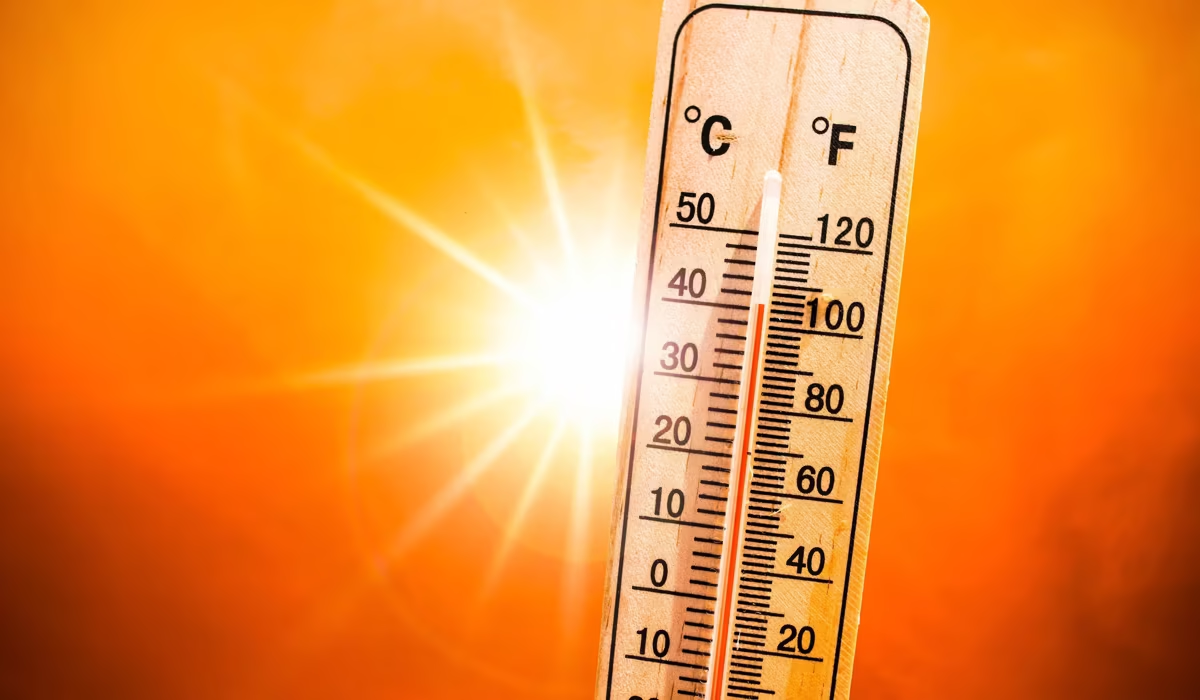
Extreme Heat Watch issued ahead of dangerous weekend heat. Image Credit: Xurzon/Getty Images
Millions of residents across Minnesota and Wisconsin are preparing for another stretch of dangerously hot weather after forecasters issued an Extreme Heat Watch warning of heat index values reaching 103 to 108 degrees Fahrenheit this weekend.
The latest forecast marks the return of another major summer heat wave, only days after a brief period of cooler temperatures offered temporary relief. Meteorologists warn that soaring temperatures combined with high humidity will create dangerous conditions capable of increasing the risk of heat-related illnesses, particularly for older adults, young children, outdoor workers, and people with underlying health conditions.
Weather officials are urging residents to stay hydrated, limit outdoor activities during peak afternoon hours, and seek air-conditioned spaces as prolonged heat settles across the Upper Midwest.
Extreme Heat Watch Covers Large Parts of Minnesota
The National Weather Service has placed the Twin Cities and much of central and southern Minnesota under an Extreme Heat Watch from Saturday afternoon through Sunday night.
Forecasters expect daytime temperatures to climb above 90°F, while oppressive humidity could push the heat index, or “feels like” temperature, to between 103°F and 108°F.
According to weather officials, this will likely begin another extended stretch of temperatures in the 90s lasting into the middle of next week, potentially making July one of the hottest months on record in parts of the state.
Wisconsin Also Faces Dangerous Heat and Storm Risk
Neighboring Wisconsin is also expected to experience a sharp increase in temperatures and humidity over the weekend.
Meteorologists say southwesterly winds will transport warm, moisture-rich air into the region, allowing afternoon highs to approach 90°F while heat index values move close to 100°F.
In addition to dangerous heat, weather forecasters have issued a First Alert Weather Watch because conditions may also support scattered thunderstorms, including the possibility of severe weather on Sunday afternoon and evening.
Residents planning outdoor activities are advised to monitor updated forecasts as weather conditions could change rapidly.
Heat Wave Could Rank Among Minnesota’s Hottest Julys
The approaching heat wave follows an already remarkable stretch of hot weather earlier this month.
Between July 11 and July 20, the Twin Cities experienced 10 consecutive days with temperatures at or above 90°F, making it the third-longest such streak since weather records began in the 1870s.
Meteorologists say that if current forecasts hold, more than half of July could finish with highs in the 90s, placing the month among Minnesota’s hottest Julys on record.
Although the recent heat wave did not break all-time daily temperature records in Minneapolis-St. Paul, it came close to historic levels established during the Dust Bowl era of 1936.
Historic Heat Records Provide Perspective
Minnesota’s climate history illustrates just how unusual prolonged heat can become.
During the historic 1936 heat wave, more than 30 weather stations across the state recorded temperatures of 108°F or higher.
This year, International Falls, often referred to as the nation’s “Icebox,” set two new daily records by reaching 98°F on July 12 and 97°F on July 13.
The hottest temperature recorded during this month’s earlier heat wave reached 100°F near Kettle Falls along the Canadian border.
READ ALSO
Health Officials Urge Heat Safety Precautions
Extreme heat remains one of the deadliest weather hazards in the United States because prolonged exposure can quickly lead to dehydration, heat exhaustion, and life-threatening heat stroke.
Authorities recommend that residents:
- Drink plenty of water throughout the day.
- Stay inside air-conditioned buildings whenever possible.
- Avoid strenuous outdoor work during the hottest hours.
- Wear lightweight, light-colored clothing.
- Never leave children or pets inside parked vehicles.
- Check regularly on elderly neighbors, relatives, and vulnerable individuals.
People without access to air conditioning are encouraged to use public cooling centers, libraries, shopping malls, or other climate-controlled facilities.
Wildfire Smoke Could Return to Parts of Wisconsin
Meteorologists are also monitoring the possibility of elevated wildfire smoke moving into portions of Wisconsin.
Current forecasts suggest that much of the smoke should remain in the upper atmosphere, limiting impacts at ground level. However, residents with respiratory conditions should continue monitoring local air quality forecasts.
How Long Will the Heat Last?
Current weather models suggest above-average temperatures may continue through at least the first half of next week.
While a cold front is expected to move through portions of Wisconsin by late Monday, temperatures are forecast to remain above seasonal averages across much of the Upper Midwest.
Additional thunderstorms could accompany the front, bringing localized relief from the heat but also creating the potential for severe weather.
Communities Prepare for Another Challenging Summer Weekend
The return of extreme heat serves as another reminder that the summer of 2026 has been marked by repeated heat waves across much of the United States.
With millions expected to spend time outdoors this weekend, emergency officials continue urging residents to take weather warnings seriously and remain aware of the signs of heat-related illness.
As temperatures climb toward dangerous levels once again, staying informed and taking preventive measures will be critical to reducing health risks during the latest round of oppressive summer weather.
FAQ
What is an Extreme Heat Watch?
An Extreme Heat Watch is issued when weather conditions are favourable for dangerously high temperatures or heat index values within the next 24 to 72 hours. It alerts people to prepare for potentially hazardous heat.
Which areas are under the Extreme Heat Watch?
Large portions of central and southern Minnesota, including the Twin Cities, are under an Extreme Heat Watch. Parts of Wisconsin are also experiencing dangerous heat conditions, with local weather agencies issuing heat alerts and First Alert Weather Watches.
How hot will it feel this weekend?
Forecasters expect the heat index, which combines temperature and humidity, to reach 103°F to 108°F in parts of Minnesota. Some areas of Wisconsin could experience heat index values approaching 100°F.
What is the heat index?
The heat index measures how hot it feels when air temperature is combined with relative humidity. High humidity makes it harder for sweat to evaporate, causing the body to feel much hotter than the actual air temperature.
How long will the heat wave last?
Current forecasts indicate the dangerous heat could continue through Sunday night and extend into the middle of next week, depending on local weather conditions.
Will thunderstorms develop after the heat?
Yes. Forecasters say parts of Wisconsin could see scattered thunderstorms, including a risk of severe weather, beginning Sunday afternoon and continuing into Sunday night.
What are the symptoms of heat exhaustion?
Common symptoms include heavy sweating, dizziness, weakness, nausea, headache, muscle cramps, and fainting. Immediate cooling and hydration are recommended.
What is heat stroke?
Heat stroke is a life-threatening emergency that can cause a body temperature above 104°F, confusion, loss of consciousness, seizures, or unconsciousness. It requires immediate emergency medical attention.
How can I stay safe during an Extreme Heat Watch?
Drink plenty of water, avoid prolonged outdoor activities during peak heat, stay in air-conditioned spaces, wear lightweight clothing, and check on elderly relatives, neighbors, children, and pets.
Why is July 2026 considered unusually hot?
Minnesota has already experienced one of its longest stretches of 90-degree temperatures on record. Meteorologists say July 2026 could rank among the state’s hottest Julys if current forecasts continue.
Could wildfire smoke affect the region?
Some wildfire smoke may move into parts of Wisconsin, but forecasters currently expect most of it to remain in the upper atmosphere with limited impact on surface air quality.
When should I seek emergency medical help during extreme heat?
Call emergency services immediately if someone shows signs of heat stroke, including confusion, loss of consciousness, seizures, or a body temperature above 104°F. Early treatment is critical.