

Extreme cold watch issued as Minnesota braces for −45° wind chills and 60 hours below zero

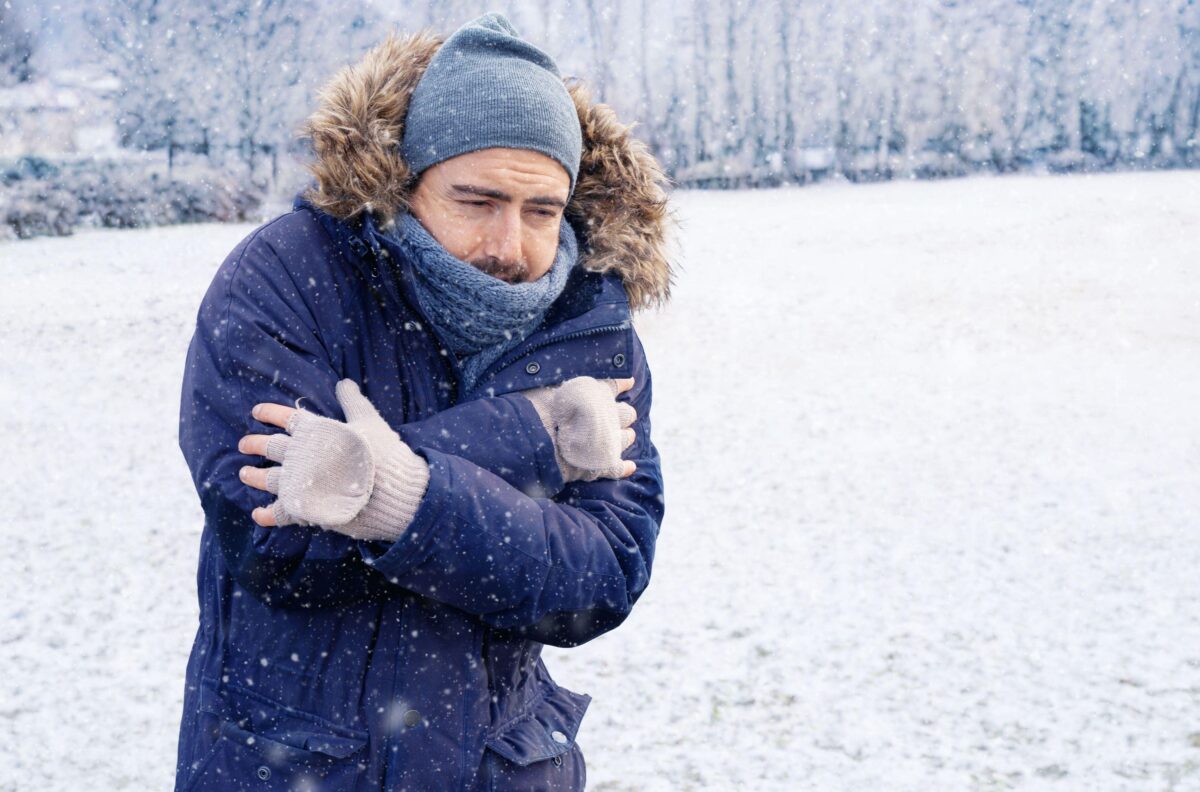
Extreme cold grips Minnesota as dangerous wind chills arrive. Image Credit: Alamy/PA
Minnesotans are being urged to prepare for dangerously cold conditions as an Extreme Cold Watch takes effect Thursday night, signaling one of the most severe cold snaps of the season. Forecasters warn that wind chills could plunge to −45 degrees, creating life-threatening conditions across much of the state and parts of western Wisconsin.
According to FOX 9 meteorologists and National Weather Service forecasts, the bitter cold will arrive swiftly after a relatively mild midweek, catching many residents off guard as temperatures tumble well below zero.
Extreme Cold Watch: When It Starts and Who Is Affected
The Extreme Cold Watch begins at 9 p.m. Thursday and remains in effect until noon Saturday, covering large portions of Minnesota including central, west central, northwest, and south-central regions. Nearby areas of Wisconsin are also expected to feel the impact.
Meteorologist Ian Leonard of FOX 9 says the combination of arctic air and strong winds will create dangerous wind chill values, capable of causing frostbite on exposed skin in as little as 10 minutes.
Wind Chills as Low as −45 Raise Serious Health Risks
Wind chills are expected to reach −40 to −45 degrees, placing conditions firmly in the danger zone typically associated with extreme cold warnings. Health officials emphasize that such temperatures significantly increase the risk of hypothermia, frostbite, and cold-related emergencies, particularly for outdoor workers, unhoused individuals, and those without adequate heating.
The National Weather Service advises limiting time outdoors and ensuring all exposed skin is fully covered.
Temperatures to Stay Below Zero for Up to 60 Hours
The Minnesota Star Tribune reports that temperatures could remain below zero for nearly 60 consecutive hours, beginning Thursday night. Forecasts indicate lows near −20 degrees in the Twin Cities and −30 degrees or colder in northern Minnesota.
Daytime highs are expected to struggle, with some areas failing to rise above −8 degrees on Friday, marking the coldest stretch of the winter so far.
READ ALSO
Snow in Florida? Rare winter weather stuns the Sunshine State as freezing temps linger
Timeline: Snow Before the Deep Freeze
Before the arctic blast fully settles in, light snow is expected Tuesday night into Wednesday. Western Minnesota could see snow by late afternoon, while the Twin Cities may experience a light dusting during the evening hours.
By Wednesday night, clouds will give way to rapidly falling temperatures, ushering in the bone-chilling cold that will dominate through the weekend.
Why This Cold Snap Is Notable, Even for Minnesota
While the upcoming cold may not break historical records, climatologists say it is still exceptionally severe. Assistant State Climatologist Peter Boulay describes it as “another level of cold,” noting how rare sustained −20 readings are in the Twin Cities.
Since records began in 1873, temperatures have stayed at or below zero for four straight days only 28 times, underscoring how unusual prolonged cold events can be.
Events, Travel, and Daily Life Impacted
The extreme cold arrives just as winter festivals and outdoor events ramp up, including the St. Paul Winter Carnival and the U.S. Pond Hockey Championships. While organizers welcome solid ice conditions, officials caution participants to take extra safety precautions.
Residents are advised to plug in vehicles, check heating systems, and ensure pets are kept indoors.
FAQ
What is an Extreme Cold Watch?
An Extreme Cold Watch means dangerously cold temperatures or wind chills are possible, typically within 24–72 hours. It signals a high risk of frostbite and hypothermia.
When does the Extreme Cold Watch begin in Minnesota?
The watch starts Thursday at 9 p.m. and is expected to last until noon Saturday, depending on conditions.
How cold will it get during this cold snap?
Wind chills may drop to −45 degrees, while actual air temperatures could fall to −20 in the Twin Cities and −30 or colder in northern Minnesota.
How long will temperatures stay below zero?
Forecasts suggest temperatures may remain below zero for up to 60 consecutive hours, one of the longest stretches this season.
How quickly can frostbite occur in −45 wind chills?
Frostbite can occur on exposed skin in as little as 10 minutes under these conditions.
What should residents do to stay safe?
Limit outdoor exposure, dress in insulated layers, cover all exposed skin, keep emergency kits ready, and ensure vehicles and homes are winter-ready.
Will this cold break records?
While extreme, it is unlikely to break all-time temperature records, but it remains a significant and dangerous weather event.