

Why did Elise Stefanik quit the New York Governor’s race, and walk away from Congress?

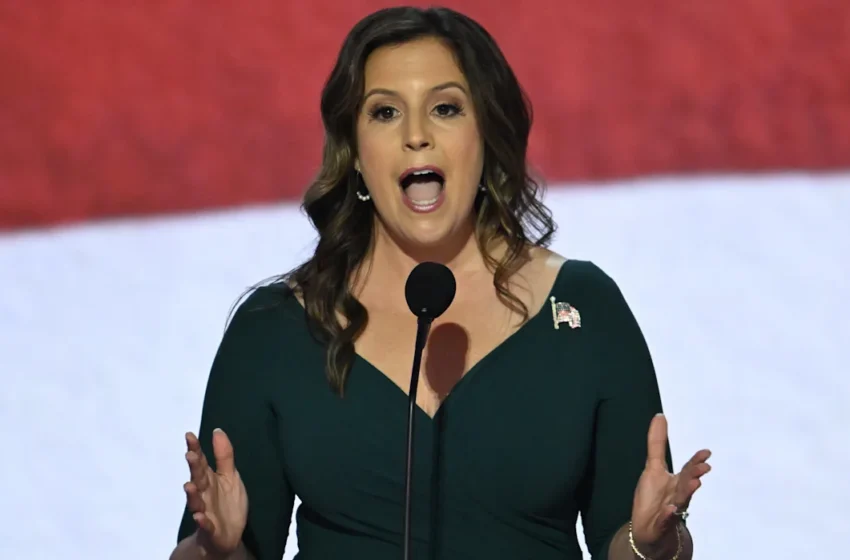
Elise Stefanik heckled and booed during New York appearance. Credit: Andrew Caballero-Reynolds/Getty Images
Republican Congresswoman Elise Stefanik, one of President Donald Trump’s most visible and combative allies, has abruptly ended her campaign for New York governor and revealed that she will not seek re-election to Congress, marking a dramatic turning point in her political career and reshaping the 2026 election landscape.
The announcement, made on December 19, 2025, stunned political observers across both parties. Stefanik had entered the race as the presumptive Republican frontrunner to challenge Democratic Governor Kathy Hochul, backed by national fundraising power, media visibility, and years of loyalty to President Trump.
Instead, she now joins a growing list of high-profile Republicans choosing to exit public office amid intraparty tension, strategic recalculation, and shifting power dynamics within the GOP.
Why Elise Stefanik Ended Her Campaign for Governor
In a statement posted on social media, Stefanik cited a combination of family priorities and political realism behind her decision.
“While spending precious time with my family this Christmas season, I have made the decision to suspend my campaign for governor and will not seek re-election to Congress,” she wrote.
Behind the scenes, allies acknowledged mounting challenges. Stefanik faced an unexpectedly competitive Republican primary after Nassau County Executive Bruce Blakeman entered the race, threatening a costly intraparty battle. At the same time, polls showed Stefanik trailing Governor Hochul by nearly 20 points, underscoring the uphill battle Republicans face statewide in New York.
READ ALSO
Marjorie Taylor Greene shocks Washington: MAGA star to resign amid Epstein feud with Trump
Trump’s Withheld Endorsement and Political Fallout
Despite Stefanik’s long-standing loyalty, President Trump declined to endorse her gubernatorial bid, a move that surprised many within Republican circles. Trump instead praised both Stefanik and Blakeman, refusing to take sides and signaling neutrality.
This marked a sharp contrast from Stefanik’s expectations. She had previously been nominated by Trump for U.S. ambassador to the United Nations, a nomination later withdrawn due to concerns about preserving the GOP’s narrow House majority.
The absence of Trump’s backing significantly weakened Stefanik’s path forward and exposed the limits of even the strongest MAGA alliances.
From Rising Star to Political Exit
At 41, Stefanik’s rise had been meteoric. First elected in 2014, she became the youngest woman ever elected to Congress at the time. Initially a moderate Republican, she later transformed into a fierce Trump defender, gaining national attention during impeachment proceedings and congressional hearings.
Her confrontational questioning of Ivy League university leaders over antisemitism went viral, earning her a spot on Time’s 100 Most Influential People list. Yet that same aggressive political posture also fueled internal GOP clashes and Democratic opposition.
Now, Stefanik says she will complete her current House term before stepping away, at least temporarily, from elected office.
What Stefanik’s Exit Means for New York Politics
Stefanik’s departure clears the path for Bruce Blakeman to become the de facto Republican nominee for governor. Blakeman, while conservative, is viewed as more electorally viable in suburban swing areas, offering Republicans a different approach against Hochul. Democrats, meanwhile, welcomed Stefanik’s decision as confirmation that New York remains firmly out of reach for Republicans in 2026.
A Broader GOP Trend
Stefanik’s exit follows recent announcements from other Trump-aligned lawmakers, including Marjorie Taylor Greene, signaling growing frustration within Republican ranks over leadership disputes, electoral math, and long-term career strategy.
For Stefanik, allies suggest a pivot toward business or private-sector leadership, free from party infighting and electoral constraints
FAQ: Elise Stefanik Political Exit
Why did Elise Stefanik drop out of the New York governor’s race?
She cited family priorities and concerns about a prolonged Republican primary, while polls showed she trailed Governor Kathy Hochul significantly.
Is Elise Stefanik leaving Congress?
Yes. Stefanik announced she will not seek re-election but will complete her current House term.
Did Donald Trump support Elise Stefanik’s campaign?
No. Despite their close relationship, Trump withheld an endorsement, praising both Stefanik and her primary rival Bruce Blakeman.
Who is likely to replace Stefanik in the governor’s race?
Republican leaders are now coalescing around Bruce Blakeman, Nassau County Executive.
Was Elise Stefanik expected to win the election?
Polling suggested she faced steep odds against Democratic Governor Kathy Hochul, trailing by nearly 20 points.
What is Elise Stefanik’s political background?
She was first elected to Congress in 2014, later becoming a leading Trump ally and rising GOP figure.
What’s next for Elise Stefanik?
Allies suggest she may pursue opportunities in business or private leadership, potentially returning to politics later.