

El Niño 2026: Why California has declared a statewide emergency ahead of major winter storms

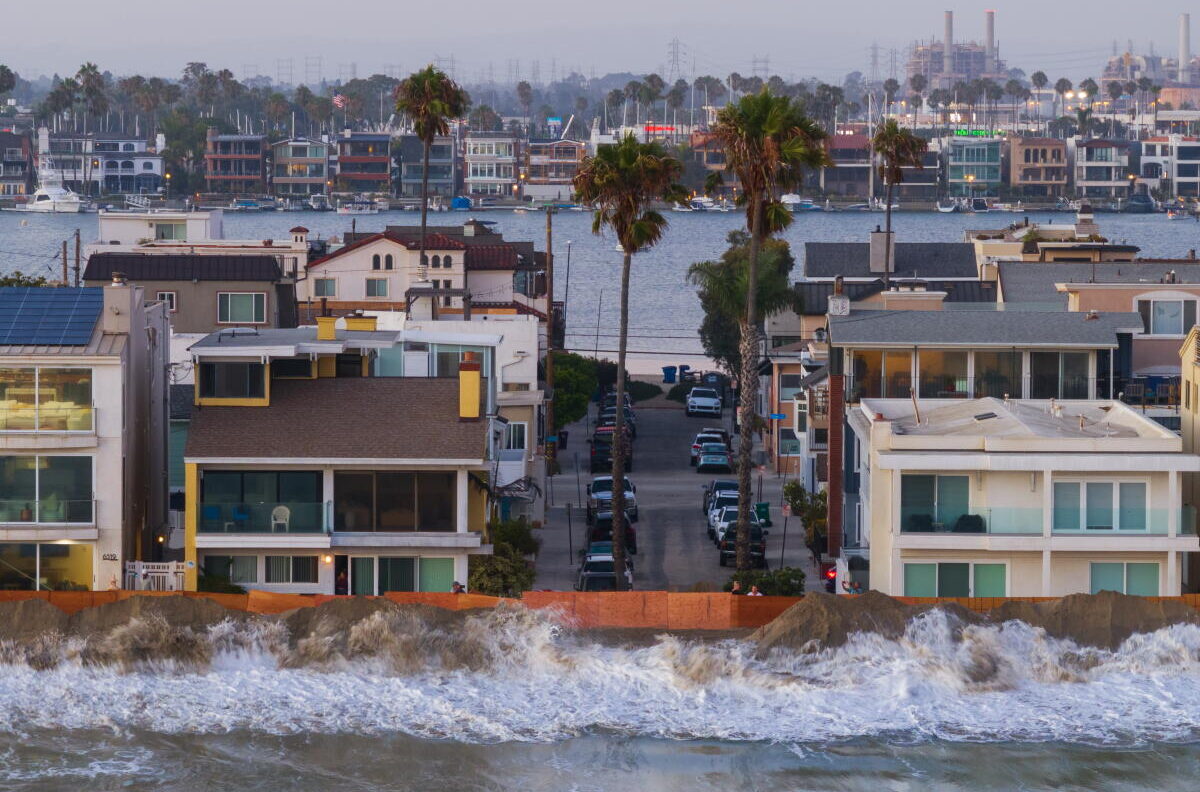
California braces for a powerful El Niño winter. Kelvin Kuo/Los Angeles Times
California has declared a statewide emergency as officials prepare for an El Niño-driven winter that could bring powerful storms, extreme surf, coastal flooding and further erosion along the state’s already battered coastline.
Gov. Gavin Newsom issued the emergency proclamation on Sept. 21, 2026, as concerns grow over the potential impact of unusually strong El Niño conditions during the coming months.
The declaration comes after a series of powerful Pacific storms have already caused significant damage across parts of Southern California. Beaches have lost sand, waves have damaged coastal properties and several cities and counties have declared their own emergencies.
The latest warning has placed El Niño 2026 at the centre of growing public attention, particularly as forecasters anticipate an unusually strong event.
Why California Declared a Statewide Emergency
Newsom’s emergency declaration is intended to allow California communities, emergency responders and government agencies to prepare for the potential effects of severe winter weather.
The state’s proclamation points to the risk posed by high surf, damaging storms, coastal flooding and erosion, with officials warning that the effects could extend beyond beaches to infrastructure, agricultural land, natural resources and the wider economy.
The statewide declaration follows emergency actions taken by individual communities already experiencing significant coastal damage.
Santa Barbara County and several Southern California communities have been affected by recent storms, while Laguna Beach, Dana Point and Carlsbad have declared local emergencies over coastal erosion and damage.
Carlsbad officials, for instance, are concerned about severe erosion threatening Carlsbad Boulevard, also known as Old Highway 101.
How Strong Could El Niño 2026 Be?
The latest forecasts have raised the stakes.
Government forecasters estimate there is a 75% chance that this El Niño will be stronger than any other recorded since 1950. The National Oceanic and Atmospheric Administration’s Climate Prediction Center has also put the probability of El Niño being classified as “very strong” at 98% for the three-month period ending in December.
That does not mean every part of California will experience the same weather or that every forecasted impact will occur. El Niño influences large-scale atmospheric and ocean conditions, with its effects varying by location and season.
For California, however, the current conditions are already being watched closely because of the potential for repeated coastal storms.
California Has Already Seen El Niño-Related Damage
The emergency declaration comes after a difficult stretch for California’s coastline.
Powerful Pacific swells have contributed to beach erosion and damage to coastal properties from parts of San Diego County northward toward Los Angeles and beyond.
Homes in areas stretching from south Orange County to Malibu have experienced flooding and severe damage, while erosion has affected stretches of coastline from Carlsbad to Long Beach.
The recent impacts have demonstrated why officials are preparing before the winter storm season reaches its peak.
Orange County has also activated its emergency operations centre after multiple cities declared local emergencies.
What Is the Kelvin Wave Moving Toward California?
Another factor being monitored is an ocean phenomenon known as a coastally trapped Kelvin wave.
The El Niño-influenced wave is moving northward along Mexico’s Pacific coast and is expected to reach the U.S. West Coast.
Kelvin waves can transport warm ocean water and influence coastal conditions. When combined with already elevated ocean temperatures and active Pacific weather patterns, such conditions can contribute to increased concern over coastal flooding, waves and erosion.
The arrival of the wave is therefore being closely monitored by officials as California prepares for the months ahead.
READ ALSO
Why El Niño Can Bring More Storms to California
El Niño is a recurring climate pattern involving warmer-than-normal ocean temperatures across the central and eastern tropical Pacific.
Those changes can influence atmospheric circulation far beyond the Pacific Ocean. The resulting shifts in weather patterns can affect precipitation, temperatures, storms and coastal conditions across different parts of the world.
For California, El Niño events are often associated with an increased risk of wet and stormy conditions, particularly across parts of the southern half of the state.
The exact effects, however, depend on the strength and characteristics of each individual event.
This year’s situation is drawing particular attention because the event is forecast to be unusually strong and because portions of the California coastline have already suffered substantial erosion.
Which California Areas Are Most at Risk?
Coastal communities are among the areas facing the most immediate concern.
Southern California beaches, coastal roads, homes and other infrastructure can be particularly vulnerable when powerful swells coincide with high tides, storms and reduced beach sand.
Laguna Beach, Dana Point and Carlsbad have already taken emergency measures following recent coastal damage.
Officials are also watching areas farther north as storm systems move through the Pacific and conditions evolve.
The potential threat is not limited to flooding. Repeated high waves can remove protective sand, undermine coastal structures and accelerate erosion.
What California Officials Are Preparing For
The statewide emergency declaration is designed to improve coordination before conditions potentially worsen.
Emergency agencies can use the period to prepare personnel, equipment and resources while communities assess vulnerable infrastructure and develop responses to flooding, erosion and severe weather.
The declaration also reflects concerns that the impacts of major storms could extend beyond immediate property damage.
Roads, coastal infrastructure, agricultural areas and other public assets could face disruption if severe weather persists.
What Happens Next With El Niño 2026?
California’s attention will now turn toward the winter months and whether the expected strong El Niño translates into repeated high-impact storms.
Officials will continue monitoring ocean temperatures, storm development, wave conditions and forecasts as the season progresses.
The statewide emergency does not mean California is certain to experience catastrophic conditions everywhere. It signals that authorities are preparing for a potentially significant period of coastal and winter weather impacts.
For residents in vulnerable coastal areas, the latest declaration is also a reminder that conditions can change quickly when major Pacific storms develop.
With forecasters projecting an unusually strong El Niño and coastal communities already dealing with erosion, the coming months could provide an important test of California’s ability to protect vulnerable shorelines and infrastructure.
Frequently Asked Questions About El Niño 2026
What is El Niño?
El Niño is a climate pattern associated with unusually warm ocean surface temperatures in parts of the central and eastern tropical Pacific. It can alter atmospheric circulation and influence weather patterns around the world.
Why has California declared a state of emergency?
California declared a statewide emergency because of the potential threat from El Niño-related storms, high surf, coastal flooding and erosion during the coming winter.
How strong is El Niño expected to be in 2026?
Forecasters have estimated a 75% chance that the current El Niño will be stronger than any other since 1950. NOAA’s Climate Prediction Center has also given a 98% chance of a “very strong” El Niño for the three-month period ending in December.
Will El Niño cause more storms in California?
El Niño can increase the likelihood of wet and stormy conditions in parts of California, particularly Southern California. However, the exact weather experienced during an individual El Niño varies.
Which parts of California are affected by El Niño?
The effects can vary across the state, but Southern California’s coastline is currently receiving significant attention because of high surf, flooding and erosion.
What is a coastally trapped Kelvin wave?
A coastally trapped Kelvin wave is an oceanic phenomenon that can move along a coastline and transport changes in ocean temperature and water levels. An El Niño-influenced wave is currently moving northward toward the U.S. West Coast.
Is El Niño the same as a hurricane?
No. El Niño is a climate pattern, not a storm. It can influence atmospheric and ocean conditions that affect where storms develop and how weather patterns behave.
When will El Niño 2026 end?
The duration of an El Niño event cannot be determined precisely in advance. Forecasters monitor ocean and atmospheric conditions over time to determine when the event weakens and eventually ends.