

Driving test cheating soars 47% across Britain: How the DVSA is catching cheaters and what the punishment is

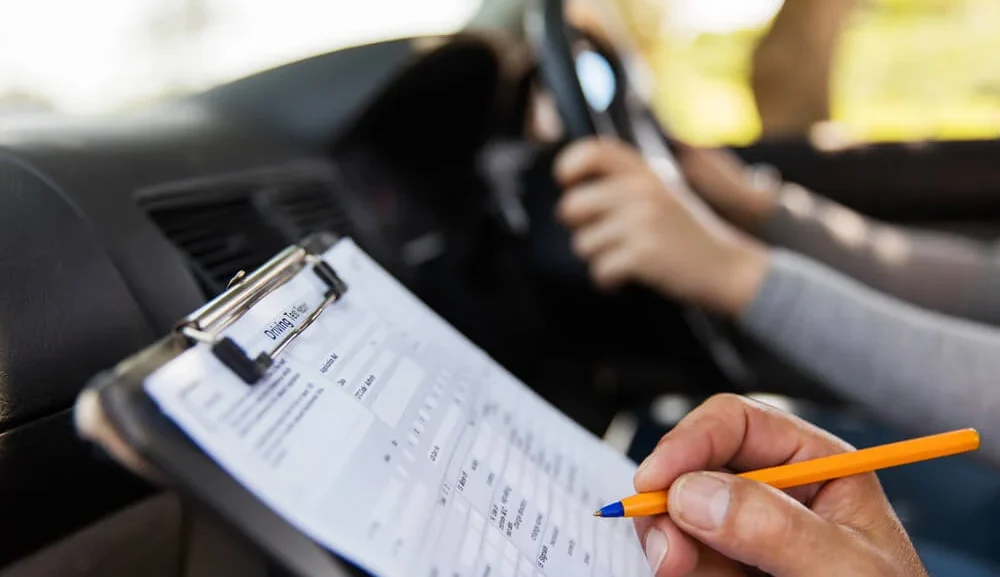
UK driving test cheating cases rise sharply in 2025
Attempts to cheat the UK driving test have surged to their highest level in years, with new figures revealing a 47% increase in recorded incidents across England, Scotland and Wales. The sharp rise has triggered serious concerns about road safety, as authorities warn that unqualified drivers could be slipping through the system.
According to data released by the Driver and Vehicle Standards Agency (DVSA), 2,844 cheating cases were recorded in the year to the end of September 2025, up from 1,940 the previous year and more than double the levels seen before the pandemic.
What the DVSA Figures Reveal
The DVSA said the increase reflects both more cheating attempts and improved detection methods. Technology-assisted cheating has become the most common tactic, particularly during theory tests.
In 2024–25:
- 1,113 cases involved hidden earpieces connected to concealed mobile phones
- 1,084 theory tests involved impersonation
- 647 practical tests involved impersonators
The RAC Foundation warned that these practices are “putting other road users at risk”, as drivers who lack proper skills and knowledge may still end up on the road.
Impersonators Paid Thousands to Pass Tests
Court cases highlighted by authorities show the scale of organised cheating networks.
Impersonators have reportedly been paid up to £2,000 to take driving tests on behalf of learners. Several high-profile prosecutions in 2025 underlined the seriousness of the offence:
- Qounain Khan, 23, from Birmingham, was jailed for eight months after impersonating learners 12 times at theory test centres.
- Ali Rasul, 22, from Exeter, received a two-year prison sentence after repeatedly attempting to cheat using hidden earpieces and impersonators.
- Sorina-Ana Turcitu, 42, from north London, received a suspended prison sentence after attempting to take a practical test for someone else.
The DVSA confirmed that 96 people were prosecuted for driving test fraud in 2024–25 alone.
READ ALSO
Lifetime driving ban proposed as South Africa moves to zero alcohol limit for drivers: What it means
Driving Test Backlog Adds Pressure on Learners
The rise in cheating comes as learner drivers face a severe backlog for practical driving tests. In September 2025, the average waiting time reached 22 weeks, compared with around five weeks before the Covid-19 pandemic.
While the DVSA said it has no evidence directly linking waiting times to cheating, road safety experts argue that long delays may increase pressure on learners desperate to pass.
Steve Gooding, director of the RAC Foundation, said:
“The longer people wait for a test slot, the greater the pressure to pass – but that is no excuse for cheating.”
How the DVSA Is Catching Driving Test Cheats
To combat the surge, the DVSA has significantly strengthened its fraud detection measures at test centres.
Anti-cheating checks now include:
- Face-to-ID verification on arrival
- Requests to roll up sleeves and empty pockets
- Pat-down searches and handheld metal detectors
- Intelligence-led monitoring of repeat offenders and suspicious vehicles
Marian Kitson, the DVSA’s director of enforcement services, said enhanced capabilities are essential to keep Britain’s roads safe.
“It is essential that all drivers demonstrate the right skills, knowledge and attitude to drive safely,” she said.
Fears Some Cheaters Are Still Getting Through
Despite the rise in detections, driving instructors warn that some cheaters may still be passing undetected.
Emma Bush, managing director of the AA Driving School, described the increase in cheating attempts as “staggering”, adding that it is worrying to think some unqualified drivers may already be on the roads.
Why Driving Test Cheating Is a Public Safety Issue
Road safety experts stress that driving tests exist to ensure minimum competence, not just legal compliance. Allowing unqualified drivers to pass through fraud undermines the system and increases the risk of serious accidents.
Authorities have warned that anyone caught cheating or using an impersonator could face:
- Prison sentences
- Driving bans
- Unpaid work orders
- Heavy court fines
FAQ
Why is driving test cheating increasing in the UK?
Cheating has increased due to a mix of higher demand for tests, long waiting times, organised fraud networks and improved DVSA detection methods.
How do people cheat the UK driving test?
Common methods include hidden Bluetooth earpieces linked to phones and hiring impersonators to sit theory or practical tests.
How many driving test cheating cases were recorded in 2025?
The DVSA recorded 2,844 cases in the year to September 2025, a 47% rise year-on-year.
What penalties do driving test cheats face?
Penalties include prison sentences, driving bans, unpaid work and court fines. Impersonators can also be jailed.
Is the driving test backlog causing more cheating?
While the DVSA says there is no proven link, experts believe long waiting times may increase pressure on learners.
How does the DVSA detect cheating?
Detection includes ID checks, metal detectors, pat-downs, intelligence-led investigations and monitoring repeat offenders.
Can someone go to prison for impersonating a driving test candidate?
Yes. Several impersonators received prison sentences in 2025, including sentences of up to two years.
Does cheating affect road safety?
Yes. Road safety groups warn that unqualified drivers pose serious risks to other road users.