

Doomsday bunker rush: Trump officials, Billionaires fuel massive surge in luxury survival shelters amid Global war fears

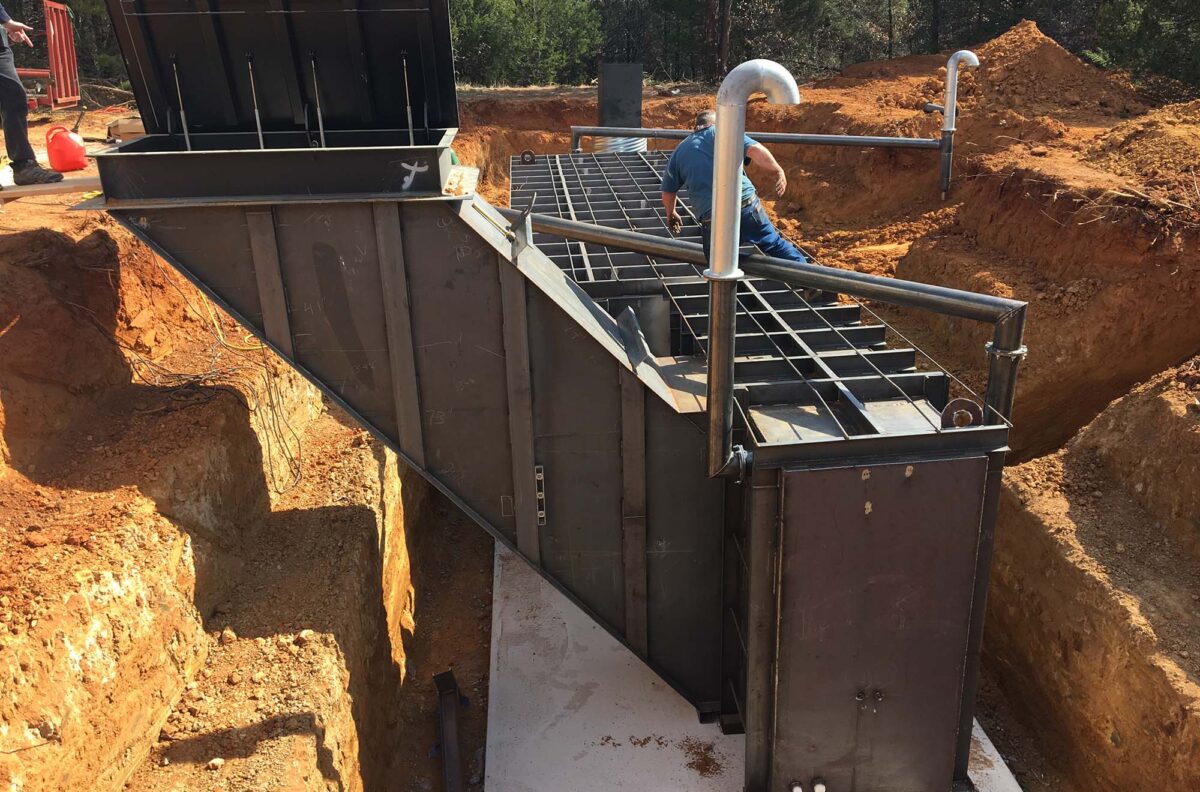
Luxury doomsday bunkers see massive demand amid war fears
Global tensions and fears of a wider war are fueling an unexpected boom in the doomsday bunker industry, with wealthy individuals, corporate executives and even political leaders reportedly rushing to secure underground survival shelters.
Manufacturers of bomb-proof bunkers say demand has skyrocketed in recent weeks as conflict in the Middle East intensifies. Orders for high-end survival shelters capable of withstanding missile strikes, drone attacks and nuclear fallout have surged dramatically, highlighting growing anxiety among global elites about the possibility of a major international conflict.
Industry insiders say the sudden spike in bunker purchases reflects a broader trend: the ultra-wealthy increasingly investing in survival infrastructure as geopolitical instability rises worldwide.
War Tensions Trigger Global Bunker Buying Spree
The surge in bunker demand comes amid escalating military tensions involving the United States, Israel and Iran. As fears of a wider regional war grow, manufacturers say clients are urgently seeking secure underground refuges.
According to bunker builder Ron Hubbard, founder of Atlas Survival Shelters, inquiries have increased tenfold since the recent outbreak of hostilities. The Texas-based company specializes in hardened steel bunkers designed to protect occupants from extreme scenarios ranging from missile attacks to nuclear fallout.
Hubbard says his company is receiving calls daily from anxious customers seeking rapid construction timelines.
The sudden surge in demand illustrates how geopolitical conflict can immediately affect industries tied to disaster preparedness and security infrastructure.
Trump Officials and Wealthy Elites Reportedly Buying Bomb-Proof Bunkers
Among the most surprising buyers are reportedly high-ranking government figures. Hubbard claims that at least two members of the current administration’s cabinet have already purchased bomb-proof bunkers.
While he declined to name the officials, he revealed that one recently contacted him asking when construction of the shelter would be completed.
The revelation underscores how concerns about security risks are not limited to private citizens or corporate leaders but are also shared within political circles.
Beyond government officials, the bunker builder says many of his clients are wealthy CEOs, investors and tech entrepreneurs seeking long-term protection from potential global crises.
READ ALSO
Israel-Hamas war: Over 200 locations bombed… here’s all you need to know
Inside the Luxury Survival Bunkers Built for Billionaires
Modern doomsday bunkers are far more sophisticated than the basic fallout shelters popular during the Cold War.
High-end shelters now feature amenities designed to support long-term underground living. Some luxury models include:
- Underground swimming pools
- Private cinemas
- Full kitchens with luxury finishes
- Armories and gun ranges
- Secure communications systems
- Advanced air purification units
Prices vary dramatically depending on the level of customization. Entry-level shelters may cost around $20,000, while elaborate underground compounds can exceed $5 million.
Many bunkers are constructed using galvanized steel with reinforced blast doors and escape tunnels to protect against explosions and structural collapse.
Billionaire and Tech Industry Interest Continues to Grow
The bunker trend among wealthy individuals is not entirely new. Interest in survival shelters has been growing for years among technology leaders and investors.
Several prominent entrepreneurs have publicly discussed contingency plans in case of global disasters or societal collapse. These preparations often include remote safe houses, private escape routes or underground bunkers.
Bunker builders say inquiries from the tech sector have increased steadily in recent years as concerns about geopolitical instability, cyber warfare, pandemics and climate disasters intensify.
Global Crises Continue to Drive the Survival Industry
The bunker industry has experienced several major sales surges during global crises. Previous spikes occurred following Russia’s invasion of Ukraine, major terrorist attacks and the COVID-19 pandemic.
Experts say the latest conflict has once again reminded wealthy individuals how fragile global stability can be.
Despite marketing claims, even bunker manufacturers acknowledge their shelters are not invincible. Extremely powerful weapons, such as specialized bunker-penetrating bombs, could still destroy underground structures.
Still, for many buyers, the goal is not absolute safety but increasing the chances of survival during extreme emergencies.
With global tensions continuing to rise, industry analysts expect demand for survival infrastructure, including bunkers, private shelters and remote safe compounds, to remain strong in the coming years.
FAQ
Why are doomsday bunkers suddenly becoming popular?
Doomsday bunkers are gaining popularity due to rising geopolitical tensions, fears of global war, economic instability and concerns about disasters such as nuclear conflict or cyber warfare. Wealthy individuals and political leaders are increasingly investing in private survival shelters as a precaution.
How much does a luxury bunker cost?
Prices vary widely depending on size and features. Basic underground bunkers can cost around $20,000, while luxury survival shelters with advanced security systems, living quarters and recreational facilities can exceed $5 million.
What features do modern survival bunkers include?
Modern bunkers can include reinforced steel structures, blast doors, air filtration systems, independent power supplies, water storage, kitchens, bedrooms and medical areas. Some luxury models also feature cinemas, gyms and swimming pools.
Are billionaires really building bunkers?
Yes. Over the past decade, many wealthy investors and technology entrepreneurs have invested in private bunkers or remote safe houses as part of long-term disaster preparedness strategies.
Can a bunker survive a nuclear explosion?
Some bunkers are designed to protect occupants from nuclear fallout and shockwaves, especially if located deep underground. However, experts say no bunker is completely indestructible, particularly against specialized bunker-penetrating weapons.
Why are bunker sales increasing during wars?
Conflicts often trigger fear of wider geopolitical escalation. As tensions rise, individuals and corporations invest in survival infrastructure, leading to increased demand for bunkers and other emergency shelters.
Who typically buys underground bunkers?
Common buyers include wealthy entrepreneurs, corporate executives, celebrities, investors and occasionally political leaders. Some families also purchase smaller bunkers for disaster preparedness.
Are survival bunkers only for nuclear war?
No. Many bunkers are designed to protect against multiple threats, including tornadoes, hurricanes, biological threats, civil unrest and long-term power grid failures.
Is the bunker industry growing globally?
Yes. The global bunker and survival shelter market has expanded significantly over the past decade due to increasing awareness of geopolitical risks, natural disasters and technological vulnerabilities.
Do bunkers require maintenance?
Yes. Bunkers require regular maintenance to ensure that ventilation systems, power sources, food supplies and structural components remain operational for long-term emergency use.