

Dismissed Nigerian Soldier exposes Army welfare crisis: ‘We buy our own uniforms, boots and survive on ₦109,000 salary’

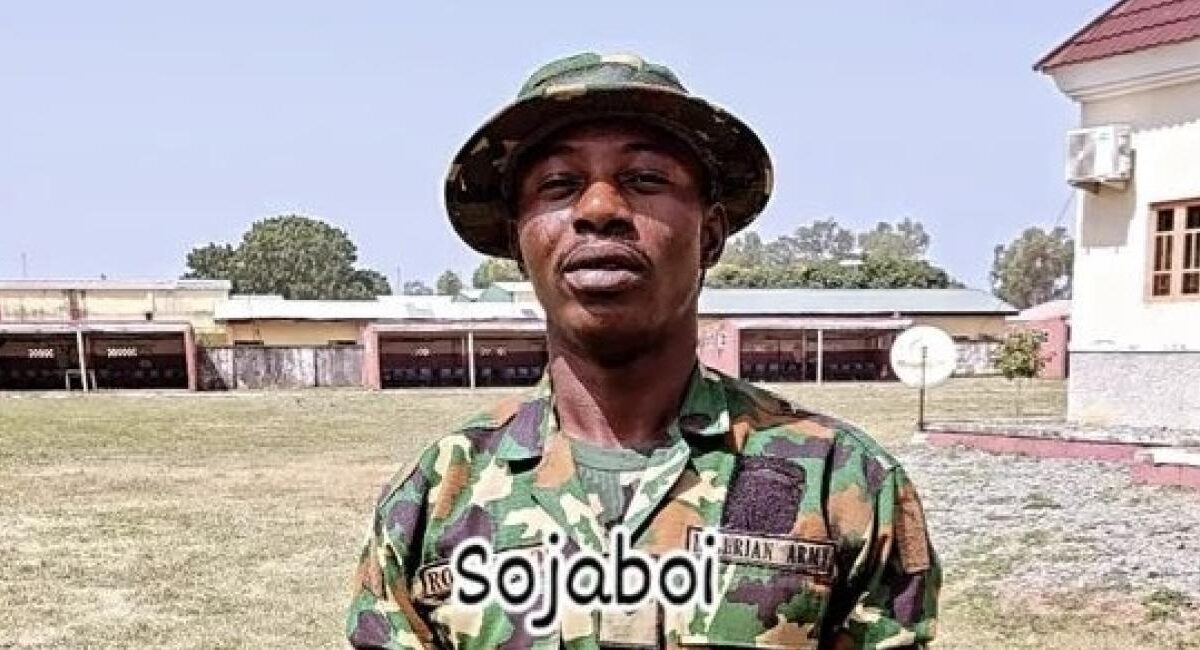
Dismissed soldier Soja Boi sparks debate on army welfare
A dismissed Nigerian soldier, Lance Corporal Rotimi Olamilekan, popularly known as Soja Boi, has triggered widespread public debate after detailing what he described as the harsh realities of military service in Nigeria, including low pay, poor welfare, prolonged deployment, and allegations that soldiers are often forced to purchase their own uniforms, boots, and protective gear.
The revelations, which surfaced through media interviews and a now-viral public outcry, have renewed scrutiny of the welfare conditions of rank-and-file Nigerian soldiers, particularly those deployed to conflict-prone areas such as Borno State. Olamilekan’s claims have also reignited conversations about the treatment of whistleblowers within the armed forces, after he said he was detained and later dismissed following a video in which he urged politicians to send their own children into military service.
Who Is Rotimi Olamilekan, the Dismissed Soldier Known as Soja Boi?
Rotimi Olamilekan, widely referred to online as Soja Boi, is a former Lance Corporal in the Nigerian Army who says he served under the 81 Division Task Force Battalion in Borno State. He first drew national attention after a viral video in which he criticized the poor welfare conditions facing soldiers and challenged political leaders to allow their children experience the realities of military service.
In the widely circulated remarks, Olamilekan argued that those who make policy decisions about war and national security should better understand the sacrifices soldiers make on the front lines. His comments resonated strongly with many Nigerians online and later sparked the #FreeSojaBoi campaign after reports of his arrest and detention.
Dismissed Soldier Says Nigerian Soldiers Buy Their Own Uniforms and Boots
One of the most explosive allegations made by Olamilekan is that soldiers are not routinely provided with essential military kits, including uniforms and boots, despite serving in dangerous operational zones.
According to him, what should ordinarily be standard military issue has become a personal financial burden. He claimed that many soldiers now purchase their own uniforms and boots from their salaries, adding that the cost of these items can consume nearly an entire month’s earnings.
Olamilekan alleged that a uniform can cost about ₦55,000, while a pair of boots may cost as much as ₦60,000. If accurate, that would mean the cost of basic field gear alone could exceed the monthly pay of some junior personnel.
The claims have struck a nerve because they touch on a broader national concern: whether troops battling insecurity are receiving the minimum logistical and welfare support necessary to perform their duties effectively.
How Much Do Nigerian Soldiers Earn? Soja Boi’s Salary Claim Sparks Reactions
Olamilekan also alleged that his final monthly salary as a lance corporal was around ₦109,000 to ₦111,000, noting that this amount, even when combined with limited allowances, was not enough to meet family responsibilities or cover work-related needs.
He said the low pay created severe pressure, especially for soldiers supporting dependents, paying school fees, and managing everyday living expenses. In his telling, the reality of military service was far removed from public assumptions that soldiers are fully equipped and financially secure.
His remarks have sparked renewed online searches around “Nigerian soldier salary 2026,” “how much do Nigerian soldiers earn,” and “is Nigerian Army salary enough?”, all indicators of strong public curiosity about the true financial conditions within the military.
READ ALSO
Claims of Missing Protective Gear Raise Security Concerns
Beyond uniforms and boots, the former soldier alleged that protective gear such as bulletproof vests and helmets are often unavailable to ordinary troops, except during special visits by high-ranking officials or dignitaries.
He suggested that some equipment may only appear temporarily when senior personnel are expected in operational areas, a claim that, if verified, would raise serious concerns about frontline safety and military readiness.
Olamilekan further painted a troubling picture of deployment conditions in insurgency-affected regions, saying soldiers in dangerous zones may be left exposed without adequate protection. These claims have not been independently verified in full, but they have intensified calls for transparency and official clarification.
Why Was Soja Boi Dismissed? Viral Video and Detention Explained
Olamilekan said his troubles began after he released a video urging politicians, governors, senators and ministers to allow their sons to join the Nigerian Army and experience what soldiers face in real operations.
Following the video, he said he was arrested, detained for several weeks, and eventually dismissed from service. He has linked his dismissal directly to the video and his criticism of welfare conditions.
In a separate account, he also described spending about a month in detention after publicly speaking out. That aspect of the story has further fueled public sympathy and questions about whether soldiers can safely raise concerns about welfare without facing disciplinary consequences.
Nigerian Army Yet to Issue Detailed Response
As of the latest reports, the Nigerian Army had not released a detailed public response addressing each of Olamilekan’s specific allegations about uniforms, boots, salary pressure, and protective gear.
However, according to reports, Army spokesperson Lieutenant Colonel Appolonia Anaele indicated that the matter would be formally addressed and that an official statement was being prepared.
Until such a statement is released, the allegations remain claims made by a dismissed former soldier, though they have clearly gained enough public traction to force broader debate around military welfare, accountability, and the human cost of Nigeria’s prolonged security operations.
Why This Story Matters
The Soja Boi controversy goes beyond one dismissed corporal. It has become a symbol of wider questions about Nigerian military welfare, especially at a time when soldiers continue to operate in volatile regions under immense pressure.
For many Nigerians, the central issue is simple: Are the men and women risking their lives for national security adequately paid, equipped and protected? Until clear answers emerge, the story of Rotimi Olamilekan will likely remain one of the most talked-about military welfare debates in Nigeria this year.
FAQ: Dismissed Nigerian Soldier, Soja Boi, and Nigerian Army Welfare Allegations
1. Who is the dismissed Nigerian soldier known as Soja Boi?
The dismissed Nigerian soldier is Rotimi Olamilekan, a former Lance Corporal in the Nigerian Army. He became widely known online as Soja Boi after making public comments about the welfare conditions of soldiers and urging politicians to send their own children to the battlefield to understand what troops face.
2. Why was Soja Boi dismissed from the Nigerian Army?
According to Rotimi Olamilekan, he was dismissed after releasing a viral video criticizing the welfare conditions of soldiers and calling on politicians to let their sons join the military. He claims his arrest, detention, and eventual dismissal were connected to that video. As of now, a full official breakdown of the dismissal has not been publicly detailed in the reports provided.
3. What did Soja Boi say about Nigerian soldiers’ welfare?
Soja Boi alleged that Nigerian soldiers face poor welfare conditions, including low salaries, inadequate support, and insufficient access to standard military kits. He said the financial and operational realities of military service were much harsher than many civilians assume.
4. Do Nigerian soldiers really buy their own uniforms and boots?
Rotimi Olamilekan claimed that many soldiers buy their own uniforms and boots instead of receiving them as standard issue. He alleged that a uniform could cost around ₦55,000 and boots about ₦60,000. However, these are his claims and have not yet been fully confirmed by an official detailed response from the Nigerian Army.
5. How much did Soja Boi say Nigerian soldiers are paid?
He said his final salary as a lance corporal was approximately ₦109,000 to ₦111,000 per month, with mention of a smaller additional allowance. He argued that this amount was not enough to meet family obligations or cover work-related costs such as uniforms and boots.
6. Are Nigerian soldiers given bulletproof vests and helmets?
Soja Boi alleged that ordinary soldiers often do not have regular access to bulletproof vests and helmets, except in limited situations such as official visits. This is one of the most serious claims in the controversy, but it remains an allegation pending fuller official clarification.
7. How long was Soja Boi detained?
Reports indicate that Rotimi Olamilekan said he spent several weeks, approximately one month, in detention after making public comments about soldiers’ welfare and calling on politicians to send their sons to military service.
8. What is the #FreeSojaBoi campaign?
The #FreeSojaBoi campaign emerged online after news of his arrest and detention spread. Supporters used the hashtag to demand his release and draw attention to what they viewed as retaliation against a soldier who spoke about welfare concerns.
9. Where did Soja Boi serve in the Nigerian Army?
According to the reports, he said he served under the 81 Division Task Force Battalion in Borno State, one of the key theatres in Nigeria’s long-running fight against insurgency.
10. Did Soja Boi complain about long deployment?
Yes. He claimed that while soldiers are expected to rotate after a set period, he personally served in Maiduguri for over four years, saying the standard rotation timelines were not followed in his case.
11. Has the Nigerian Army responded to Soja Boi’s allegations?
At the time of the reports, the Nigerian Army had not issued a detailed public response addressing all of his claims. However, spokesperson Lieutenant Colonel Appolonia Anaele reportedly said that the matter would be addressed formally and that an official statement was being prepared.
12. Why is the Soja Boi story trending in Nigeria?
The story is trending because it combines several highly sensitive issues: military welfare, low salaries, frontline danger, alleged lack of equipment, detention after criticism, and public distrust of official institutions. It has also generated strong emotional reactions because it raises questions about how soldiers are treated while fighting insecurity.
13. What are Nigerians searching online about this story?
Popular search intents likely include:
- Why was Soja Boi dismissed?
- How much do Nigerian soldiers earn in 2026?
- Do Nigerian soldiers buy their own uniforms?
- Did Soja Boi really spend a month in detention?
- What did the Nigerian Army say about Soja Boi?
- Are Nigerian soldiers underpaid?
- Are soldiers given boots and bulletproof vests in Nigeria?
14. Is this story confirmed or still an allegation?
The core details about salary figures, uniforms, boots, protective gear, and dismissal motive are based on Rotimi Olamilekan’s public claims as reported by media outlets. Until the Nigerian Army issues a detailed official response or further independent verification emerges, these specific claims should be treated as allegations made by a dismissed former soldier.
15. Why does this story matter beyond one soldier?
This story matters because it raises broader questions about how Nigeria supports and equips its frontline troops. If even part of the allegations are true, the issue could have implications for national security, morale, operational effectiveness, and public trust in military institutions.