

6 Ways to Digital Detox Strategically Without Losing Efficiency

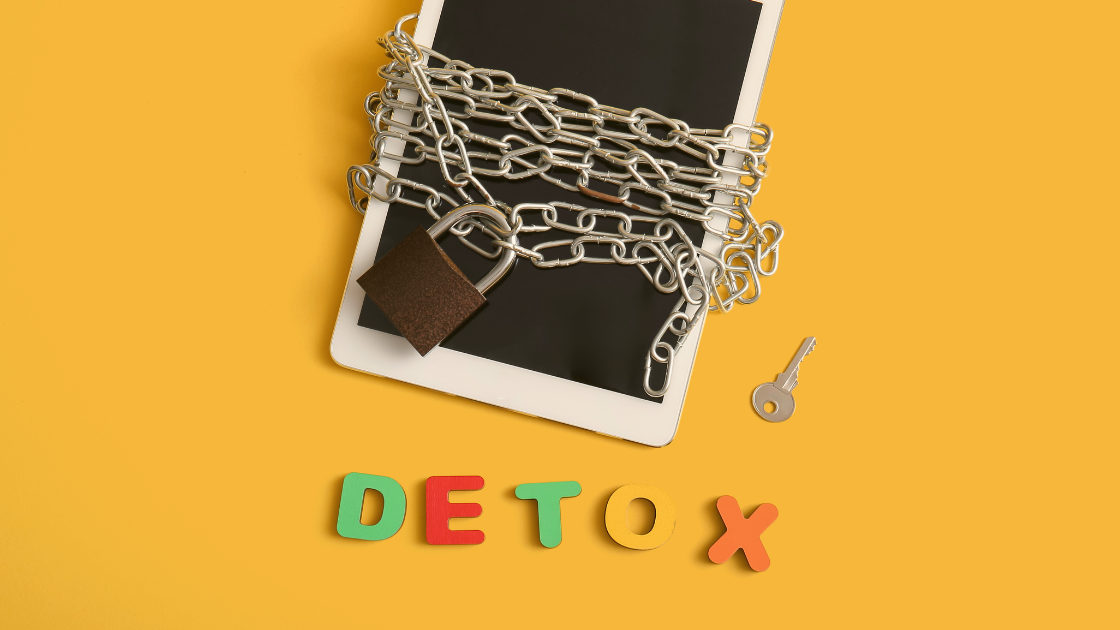
Smart Digital Detox Without Losing Productivity
As screen time continues to rise globally, digital fatigue is becoming a silent productivity killer. From constant notifications to endless scrolling, many people feel overwhelmed by their devices, yet stepping away completely often seems unrealistic, especially in a work-driven world.
Experts now emphasize a strategic digital detox, not total disconnection. The goal is to reduce unnecessary digital noise while preserving focus, efficiency, and performance. Research shows that intentional tech use improves concentration, decision-making, and mental well-being without harming productivity.
Here are six practical ways to digital detox without losing efficiency, backed by productivity science and modern workplace habits.
1. Schedule Notification-Free Work Blocks
Notifications are one of the biggest productivity disruptors. Studies indicate that even brief interruptions can break concentration for several minutes. Instead of turning off your phone all day, schedule notification-free focus blocks during high-priority tasks.
Silencing alerts for specific periods allows deeper focus while ensuring you remain reachable when necessary.
2. Replace Multitasking With Single-Tasking
Digital multitasking, switching between apps, emails, and tabs, reduces efficiency and increases mental fatigue. Research shows single-tasking improves accuracy and reduces stress.
Focus on one task at a time by closing unnecessary tabs and apps. This approach shortens work time while delivering higher-quality results.
3. Use Technology to Limit Technology
Ironically, technology can help manage digital overload. Tools like app timers, focus modes, and website blockers help reduce time spent on distracting platforms without affecting essential work apps.
By automating boundaries, you maintain efficiency while limiting digital excess.
READ ALSO
7 Ways Wearable Tech Improves Daily Productivity
10 Smart Home Innovations That Actually Save Time
4. Create Tech-Free Transition Moments
Constant screen exposure leaves no room for mental reset. Experts recommend tech-free transitions, short periods between activities where screens are avoided.
Examples include no-phone mornings, screen-free meals, or offline breaks between work sessions. These moments refresh the brain and improve cognitive stamina.
5. Audit Your Digital Tools Regularly
Many people use far more apps and platforms than necessary. A regular digital audit helps identify tools that no longer add value.
Removing redundant apps, unsubscribing from unnecessary emails, and streamlining workflows reduces cognitive load while keeping essential systems intact.
6. Redefine Productivity Beyond Screen Time
Productivity is often mistaken for being constantly online. However, results, not screen hours, define efficiency. Setting clear goals and outcome-based metrics allows you to reduce screen exposure without compromising performance.
This mindset shift encourages intentional tech use rather than constant digital engagement.
Why Digital Detoxing Improves Efficiency
Research in cognitive science shows that reduced digital clutter enhances attention span, memory retention, and problem-solving. By controlling digital consumption rather than eliminating it, individuals maintain productivity while protecting mental health.
Digital detoxing, when done strategically, becomes a performance advantage, not a productivity loss.
FAQ
What is a digital detox?
A digital detox is a deliberate reduction in screen time and digital distractions to improve focus, mental health, and productivity.
Can you digitally detox without losing productivity?
Yes. Strategic digital detoxing removes distractions while preserving essential tools, leading to improved efficiency and focus.
How long should a digital detox last?
Digital detoxes can range from short daily breaks to longer periods, depending on individual needs and work demands.
Does reducing screen time improve focus?
Studies show that reducing unnecessary screen exposure enhances attention span, memory, and cognitive performance.
Is digital detox realistic for professionals?
Absolutely. By scheduling focus blocks and using productivity tools, professionals can detox digitally without disrupting workflow.
What are signs you need a digital detox?
Constant distraction, mental fatigue, reduced focus, poor sleep, and anxiety around notifications are common indicators.
Can digital detox improve mental health?
Yes. Reduced digital overload is linked to lower stress levels, improved mood, and better work-life balance.
Should you completely stop using your phone during a detox?
Not necessarily. Effective digital detoxing focuses on intentional use rather than complete disconnection.
What tools help with digital detoxing?
Focus modes, app blockers, screen time trackers, and task management tools help reduce distractions while maintaining productivity.
Is digital detoxing a long-term lifestyle change?
For many people, it becomes a sustainable habit that promotes healthier technology use and consistent productivity.