

Dense Fog Advisory blankets central West Florida: Visibility drops to 1/4 mile as drivers urged to delay travel

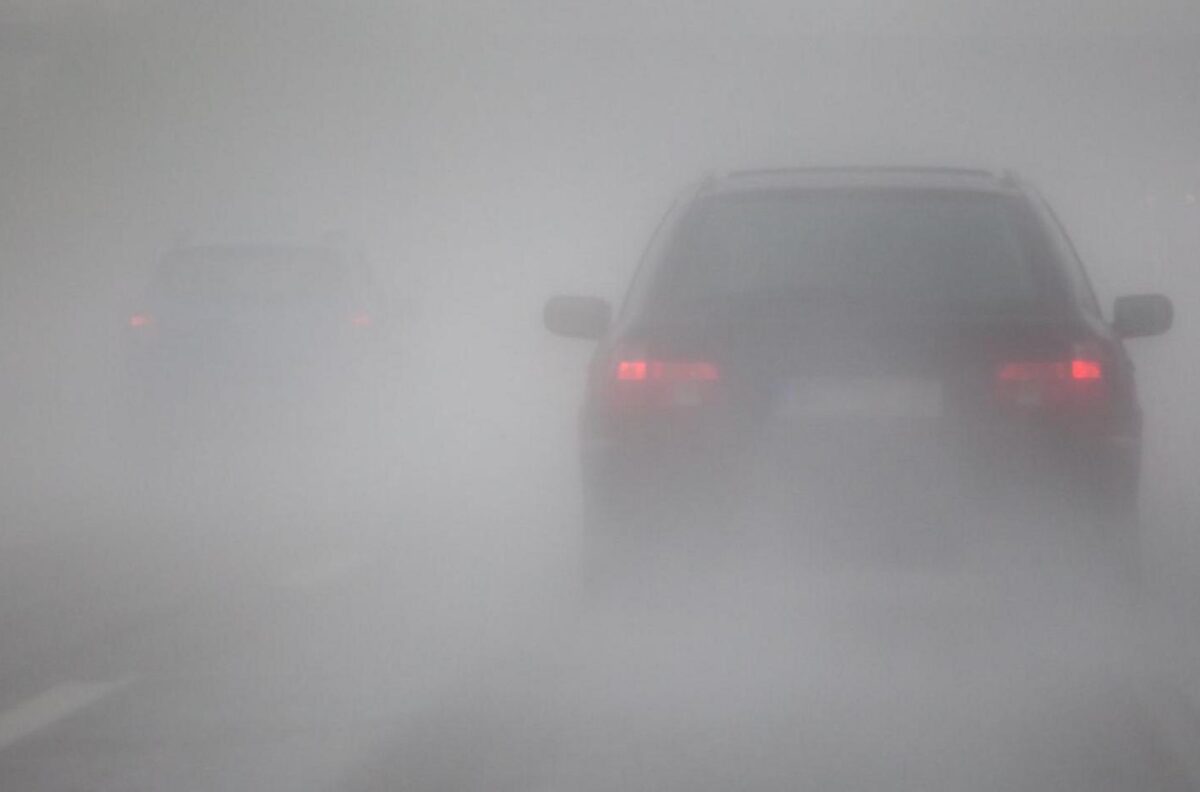
Dense fog reduces visibility across Tampa Bay region. Image Credit: Getty Images
A dense fog advisory has been issued for large portions of Central West Florida, with visibility expected to drop to as little as one-quarter mile in some areas, according to the National Weather Service (NWS).
The advisory, released at 2:46 a.m. Thursday, remains in effect until 10 a.m., impacting multiple counties across the Tampa Bay region and surrounding communities. Officials are urging motorists to exercise extreme caution, reduce speed, and consider delaying travel during the morning commute.
Counties Under the Dense Fog Advisory
The advisory affects the following counties:
- Coastal Levy
- Inland Levy
- Pinellas
- Polk
- Citrus
- Hernando
- Pasco
- Hillsborough
- Manatee
- Sarasota
- Sumter
- Hardee
- Highlands
- DeSoto
- Charlotte
- Lee
Residents across these areas may encounter widespread low visibility, particularly near roadways, bridges, and open stretches of highway.
What a Dense Fog Advisory Means
A dense fog advisory is issued when widespread fog significantly reduces visibility, often to one-quarter mile or less. These conditions can make driving hazardous, increasing the risk of traffic accidents, especially during early morning hours when commuter traffic intensifies.
Unlike a fog watch or statement, an advisory signals that dangerous visibility conditions are already occurring or imminent.
The National Weather Service emphasizes that drivers should remain alert and prepared for rapid changes in visibility, particularly near bodies of water and low-lying areas where fog tends to concentrate.
Travel Disruptions and Morning Commute Concerns
While no major highway closures have been reported, the advisory may affect travel along major corridors such as:
- Interstate 75
- Interstate 4
- U.S. Highway 19
- I-275
- State Road 60
Fog-related slowdowns are common during advisory periods, especially in coastal and inland rural counties.
Drivers are encouraged to check real-time traffic updates and allow additional travel time.
READ ALSO
Is tropical storm Gezani expected to hit South Africa? What SA weather experts are warning about
Safety Tips for Driving in Dense Fog
The National Weather Service provides the following critical fog safety guidelines:
Reduce Speed Immediately
Slowing down gives drivers more time to react to unexpected obstacles or sudden stops.
Use Low-Beam Headlights
Low beams improve visibility without creating glare. Fog lights should be used if available.
Avoid High-Beam Headlights
High beams reflect off fog droplets, worsening visibility.
Maintain Extra Following Distance
Increased spacing between vehicles reduces the risk of rear-end collisions.
Stay Within Lane Markings
Use painted road lines as guides, especially when visibility fluctuates.
What to Do in Near-Zero Visibility
If visibility becomes severely limited:
- Turn on hazard lights.
- Pull off the roadway safely.
- If no designated parking area exists, move as far off the road as possible.
- Keep hazard flashers on.
- Engage the emergency brake.
Officials stress that stopping in travel lanes without lights increases collision risks.
Why Fog Develops in Central West Florida
Dense fog frequently develops in Florida when cool overnight temperatures combine with high humidity and calm winds. The Tampa Bay region’s proximity to coastal waters and wetlands creates ideal conditions for fog formation, particularly during early morning hours.
As temperatures rise after sunrise, fog typically dissipates.
When Will the Fog Lift?
The advisory is scheduled to expire at 10 a.m. Thursday, though conditions may improve gradually after sunrise. The National Weather Service will continue monitoring visibility levels and issue updates if necessary.
Residents are advised to monitor official weather alerts and remain cautious until conditions fully clear.
FAQ
What is a dense fog advisory?
A dense fog advisory is issued by the National Weather Service when widespread fog reduces visibility to one-quarter mile or less, creating hazardous driving conditions.
Which Florida counties are under the dense fog advisory?
The advisory includes Coastal and Inland Levy, Pinellas, Polk, Citrus, Hernando, Pasco, Hillsborough, Manatee, Sarasota, Sumter, Hardee, Highlands, DeSoto, Charlotte, and Lee counties.
How long will the dense fog last in Central West Florida?
The advisory is in effect until 10 a.m., though conditions may gradually improve after sunrise.
How dangerous is driving in dense fog?
Driving in dense fog can be dangerous due to severely limited visibility, increased stopping distance, and reduced reaction time. Accidents are more likely if drivers do not slow down.
Should I use high beams in fog?
No. High beams can reflect off fog particles and reduce visibility. Low-beam headlights are recommended.
Can fog cause flight delays?
In some cases, dense fog can lead to delays at regional airports if visibility falls below operational minimums. Travelers should check flight status updates.
Why does fog form frequently in Tampa Bay?
High humidity, calm winds, and temperature changes overnight contribute to frequent fog formation in coastal and inland areas of West Florida.
Is the fog advisory expected to be extended?
As of now, the advisory expires at 10 a.m. Any extension would depend on real-time visibility assessments by the National Weather Service.